
Eating seafood is a popular part of visiting Jimbaran, but allergic reactions can develop unexpectedly or become more serious than previous episodes. Travelers with persistent or worsening symptoms may need assessment from a general practitioner in Jimbaran to determine the safest next step.
Seafood Allergy Jimbaran Bali: What Travelers Should Know
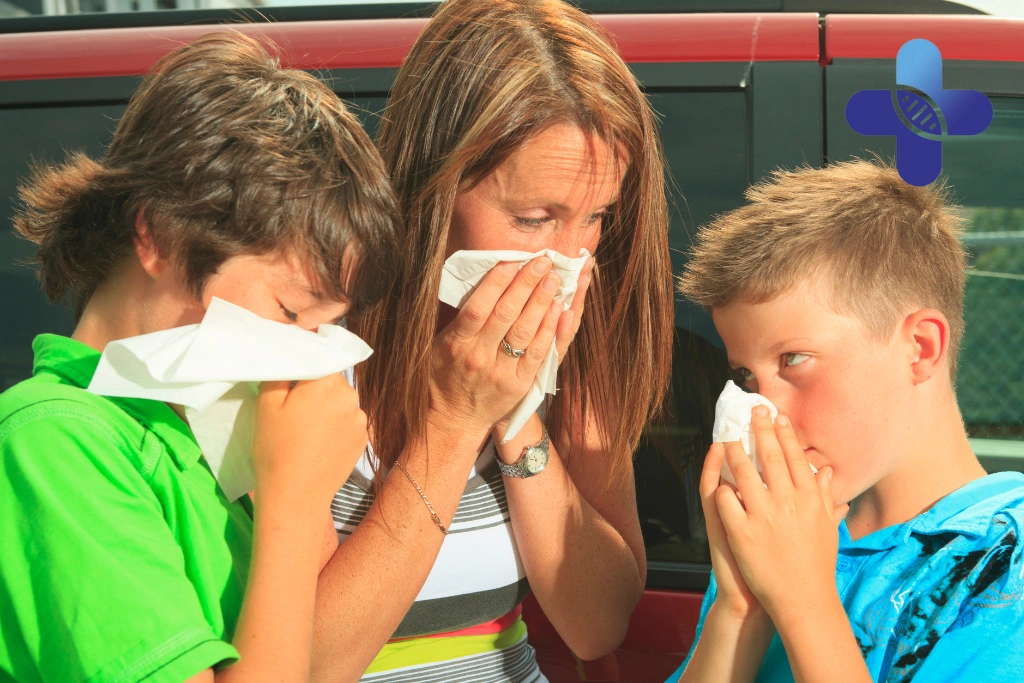
An allergic reaction after eating seafood can affect the skin, digestive system, breathing, or circulation.
Some reactions remain mild and stable. Others can progress quickly and become life-threatening.
Symptoms may include itching, hives, swelling, stomach pain, vomiting, diarrhea, coughing, wheezing, dizziness, or fainting. A person can experience symptoms in more than one part of the body at the same time.
Travelers should not assume that every illness after seafood is an allergy. Food intolerance, infection, and other digestive conditions can produce overlapping symptoms. A medical assessment may be needed when the cause is unclear.
Common Signs of a Seafood Allergy
Seafood allergies may involve fish, shellfish, or both. Shellfish commonly includes crustaceans such as prawns, crab, and lobster, as well as molluscs such as squid, clams, and mussels.
Reactions may begin shortly after eating, although the timing and severity can differ between individuals.
Symptoms That May Develop
- Itchy skin, redness, or raised hives
- Swelling around the lips, face, or eyes
- Tingling or itching inside the mouth
- Nausea, stomach pain, vomiting, or diarrhea
- Coughing, wheezing, or a hoarse voice
- Dizziness, weakness, or feeling faint
- Nasal congestion or sneezing
Skin symptoms are common, but their absence does not rule out a serious reaction. Food allergy symptoms can affect the airway, breathing, digestive system, skin, and circulation.
When a Seafood Allergy Becomes an Emergency
Anaphylaxis is a sudden, severe allergic reaction that can become fatal without immediate treatment. It may cause airway narrowing, a sharp fall in blood pressure, breathing problems, or loss of consciousness.
Warning Signs Requiring Immediate Help
- Swelling of the tongue or throat
- Difficulty breathing or swallowing
- Noisy breathing, choking, or wheezing
- Sudden hoarse voice
- Fainting or loss of consciousness
- Confusion or extreme drowsiness
- A rapid, weak pulse
- Severe dizziness or collapse
- Rapidly spreading symptoms involving several body systems
A routine clinic visit should not delay emergency assistance when these symptoms occur.
Someone who has been prescribed an adrenaline or epinephrine auto-injector should follow their personal emergency plan and use the device as instructed. Emergency medical assessment is still needed after it has been administered because symptoms can persist or return.
What to Do After a Suspected Reaction
Stop eating the suspected food and avoid trying another portion to confirm the reaction.
Make a note of what was eaten, when the symptoms began, and whether the meal contained sauces, stocks, garnishes, or mixed ingredients. This information can help a doctor understand the possible trigger.
For mild and stable symptoms, a clinician can assess whether medication or observation is appropriate. Travelers should avoid taking unfamiliar medication without considering allergies, pregnancy, existing conditions, and interactions with current treatment.
Do not rely on antihistamines to manage breathing difficulty, throat swelling, fainting, or another suspected anaphylactic reaction. Severe reactions require emergency treatment.
Allergy or Food-Related Illness?
Allergy symptoms can overlap with other conditions.
Vomiting, diarrhea, and stomach pain may occur with a food allergy, but they can also result from an infection, food intolerance, or another digestive problem.
Features such as hives, facial swelling, mouth itching, wheezing, or symptoms appearing across several body systems may make an allergic reaction more concerning. However, symptoms alone cannot confirm the cause.
A doctor may review:
- The exact foods and ingredients consumed
- The timing of symptom onset
- Previous reactions
- Known allergies or asthma
- Medication taken before or after the meal
- Whether anyone else who shared the meal became unwell
- The progression of symptoms
Formal allergy testing may be recommended after the immediate condition is stable.
Medical Assessment in Jimbaran
A GP may assess mild or stable allergic symptoms, examine the skin and breathing, check vital signs, review the patient’s medical history, and determine whether further observation or referral is needed.
Travelers should bring details of previous allergy testing, prescribed emergency medication, and earlier reactions when available.
Clear communication is particularly important when describing unfamiliar dishes and ingredients. International visitors may find additional guidance through an English-speaking doctor in Jimbaran.
Patients with serious symptoms should go directly to emergency care rather than waiting for a routine GP appointment.
Seafood Allergies in Children

Children may describe itching, throat discomfort, dizziness, or breathing changes less clearly than adults.
Parents should watch for visible swelling, hives, coughing, wheezing, vomiting, sudden quietness, unusual sleepiness, or changes in normal behavior.
A child with breathing difficulty, facial or tongue swelling, collapse, or rapidly worsening symptoms needs emergency help.
Families staying locally can also review information about a GP for families in Jimbaran for non-emergency assessment and general medical support.
Children with a known seafood allergy should continue following the emergency plan provided by their usual allergy specialist.
Reducing the Risk During a Jimbaran Stay
Travelers with known seafood allergies should communicate the allergy clearly before ordering.
Terms such as “seafood” may not identify every ingredient used in a dish. Sauces, broths, cooking oils, garnishes, and shared cooking surfaces may also contain or come into contact with allergens.
Useful precautions include carrying prescribed emergency medication, keeping allergy information in writing, and making sure travel companions understand what to do during a serious reaction.
Avoid testing whether an allergy has disappeared while traveling. Any planned food challenge should take place under professional medical supervision.
Get Medical Assistance in Jimbaran
Travelers with a suspected seafood allergy can contact Life Everyouth Bali for information about a GP consultation when symptoms are mild, stable, and not immediately life-threatening.
The clinic is located at:
Jl. Uluwatu II No.10X Jimbaran, Kec. Kuta Sel. Kabupaten Badung, Bali 80361
For assistance through WhatsApp, contact +62 858-8788-8911 or chat with the clinic on WhatsApp.
Include the patient’s name, age, current location, foods consumed, when symptoms started, known allergies, current symptoms, and any medication already taken.
Travelers may also ask about access to a general practitioner in Bali.
Consultation availability, fees, medication, testing, and referral arrangements should be confirmed directly with the clinic.
Conclusion – Seafood Allergy Jimbaran Bali: Symptoms and Treatment
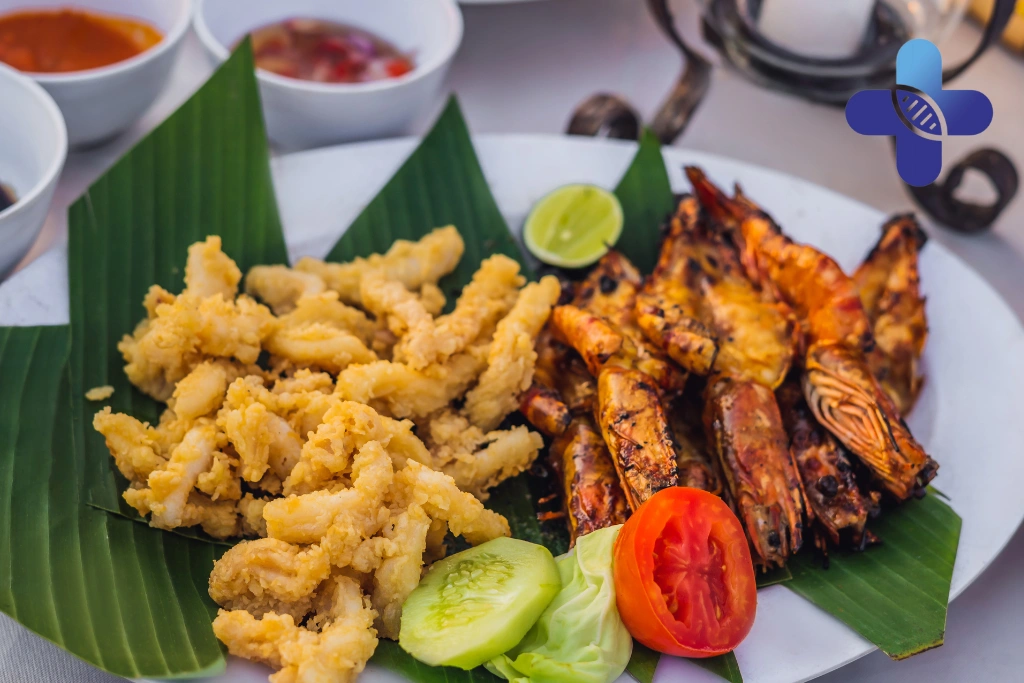
A seafood allergy can cause symptoms ranging from mild itching and hives to severe breathing problems and collapse.
Travelers should stop eating the suspected food, monitor how symptoms develop, and seek medical assessment when the reaction is unclear, persistent, or worsening.
Swelling of the throat or tongue, difficulty breathing, fainting, confusion, or rapidly progressing symptoms require immediate emergency care.
People with a known seafood allergy should carry their prescribed emergency medication and follow the action plan provided by their usual healthcare professional.
Frequently Asked Questions (FAQs) – Seafood Allergy Jimbaran Bali: Symptoms and Treatment
What are the common symptoms of a seafood allergy?
Common symptoms include itching, hives, facial swelling, mouth tingling, stomach pain, vomiting, diarrhea, coughing, wheezing, dizziness, and fainting. Symptoms may affect several parts of the body at once.
How quickly can a seafood allergy begin?
A reaction may begin soon after eating, but timing can vary. The speed of onset alone does not determine how serious the reaction will become.
Can someone develop a seafood allergy as an adult?
Yes. Seafood allergies can appear in adulthood, even when the person has eaten similar foods previously without a known reaction.
Is vomiting after seafood always an allergy?
No. Vomiting may also be caused by infection, intolerance, or another digestive condition. Hives, swelling, wheezing, or symptoms involving several body systems can make allergy more concerning.
Can a GP treat a seafood allergy?
A GP may assess mild and stable symptoms, review allergy history, and recommend appropriate treatment or referral. Suspected anaphylaxis requires emergency care.
Should I take an antihistamine for a seafood reaction?
An antihistamine may be suitable for some mild symptoms when recommended by a clinician. It must not replace emergency treatment for breathing difficulty, throat swelling, fainting, or collapse.
Should I use my adrenaline auto-injector?
Anyone prescribed an auto-injector should follow their personal emergency plan and previous medical instructions. Emergency assessment is still necessary after using it.
Can children have severe seafood allergies?
Yes. Children can develop serious reactions. Breathing changes, facial swelling, unusual drowsiness, collapse, or rapidly worsening symptoms require immediate emergency assistance.
Where can travelers seek medical assessment in Jimbaran?
The clinic is located at Jl. Uluwatu II No.10X, Jimbaran, Kec. Kuta Sel., Kabupaten Badung, Bali 80361. Confirm operating hours and consultation availability before visiting.
How can I contact the clinic?
Contact the clinic through WhatsApp at +62 858-8788-8911. Use the WhatsApp chat button in this article and provide the suspected food, symptoms, time of onset, known allergies, and medication already used.
