
Traveling to new destinations often includes exploring local cuisine and street food culture. In some situations, digestive symptoms may be associated with conditions discussed in typhoid in bali, especially when food hygiene and water safety are not carefully considered.
Is Street Food Safe in Bali? What Travelers Should Know
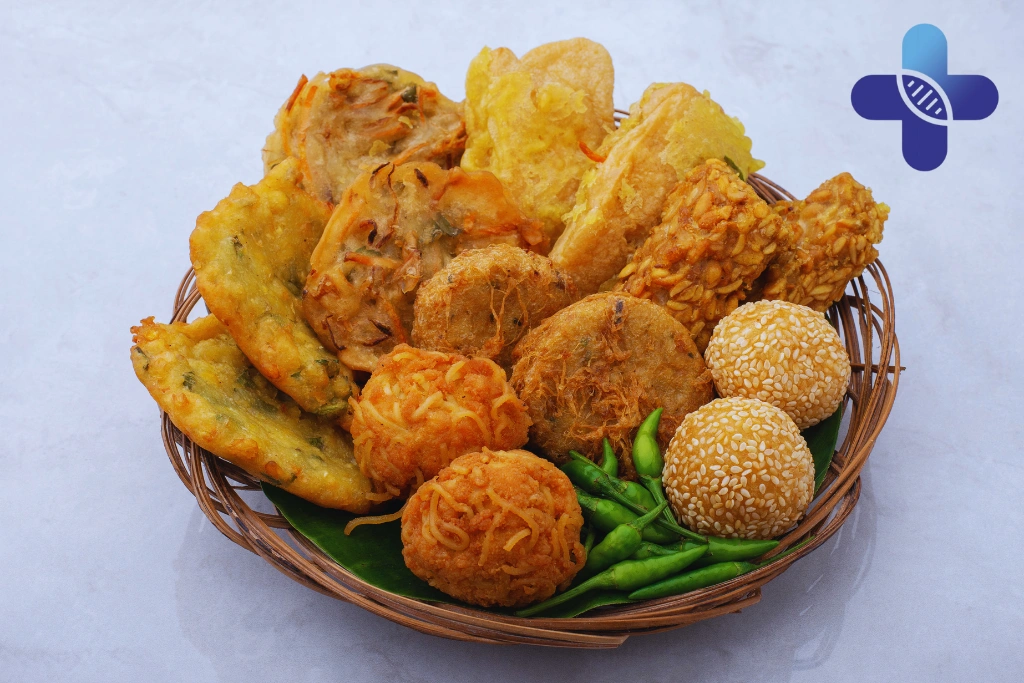
Street food is an essential part of the travel experience, especially in a destination like Bali where local flavors are diverse and widely accessible. Many visitors are curious whether street food in Bali is safe to enjoy.
Understanding how food is prepared and what factors influence hygiene can help travelers make informed choices while exploring culinary spots in Bali, including popular areas like Sanur and Jimbaran.
Why Street Food Is Popular in Bali
Street food plays a significant role in everyday life across Bali, offering both convenience and cultural immersion. For many travelers, trying local dishes from street vendors becomes one of the highlights of their trip.
Affordable prices, quick service, and the opportunity to experience authentic flavors make street food especially appealing. In areas such as Sanur and Ubud, visitors can easily find a wide variety of options, from simple snacks to freshly prepared meals that reflect local traditions.
Is Street Food in Bali Generally Safe
The safety of street food in Bali can vary depending on how food is handled, prepared, and stored. It is important to understand that not all vendors operate under the same hygiene standards, which means experiences can differ from one location to another.
Many vendors take pride in serving fresh and well-prepared food. However, travelers should remain aware that food safety in Bali may differ from what they are accustomed to in their home countries. Being observant and selective plays an important role in reducing potential risks.
Common Risks Travelers Should Be Aware Of
When exploring street food in Bali, certain risks may arise, especially if hygiene practices are not optimal. These risks are often related to how food is prepared and how clean the environment is.
Food that is not cooked thoroughly or is left exposed for long periods may increase the likelihood of contamination. In addition, water quality can also play a role, particularly when it is used in drinks, ice, or food preparation.
These conditions are among the common factors linked to foodborne infections in Bali, particularly for travelers who are still adapting to new environments.
Signs of Safe and Hygienic Street Food Vendors

Choosing a reliable vendor is one of the most effective ways to enjoy street food in Bali safely. While it may not always be obvious at first glance, there are practical signs that travelers can observe.
What to Look For
- Food prepared fresh in front of customers
- Clean and organized cooking area
- Steady flow of customers
- Use of utensils instead of direct hand contact
In busy areas like Sanur, vendors with consistent customer activity often serve fresher food, which may help reduce the risk of contamination.
Symptoms That May Occur After Eating Unsafe Food
After trying new foods, some travelers may experience mild digestive symptoms. These reactions are often temporary and can occur as the body adjusts to new ingredients or preparation methods.
Common symptoms include diarrhea, nausea, abdominal discomfort, and fatigue. These are often recognized as part of digestive problems in Bali, especially among first-time visitors.
While many cases improve with rest and hydration, it is still important to pay attention to how symptoms develop over time.
When Symptoms May Require Medical Attention
In some situations, symptoms may persist or worsen, indicating the need for further evaluation. Travelers should be aware of changes in their condition rather than assuming all symptoms are minor.
When to Be Concerned
- Symptoms last more than a few days
- Fever begins to develop
- Signs of dehydration appear
- Weakness becomes more noticeable
If these signs occur, visiting a Medical Clinic in Bali can help provide a clearer understanding of the condition. Providers such as Life Everyouth Bali or other Bali Medical Clinic services may assist in determining whether further medical attention is needed, including evaluating conditions related to typhoid in bali.
Practical Tips to Enjoy Street Food Safely in Bali
Enjoying street food safely in Bali does not require avoiding it entirely, but rather making mindful choices. Small habits can significantly reduce potential risks while still allowing travelers to explore local cuisine.
Safe Street Food Tips
- Choose vendors with high customer turnover
- Eat food that is freshly cooked and served hot
- Avoid ice if the water source is unclear
- Wash or sanitize hands before eating
By applying these simple practices, travelers can improve traveler food safety and enjoy their experience with greater confidence.
Travelers who experience symptoms after trying local street food may consider accessing medical support such as Doctor On Call in Bali for convenient evaluation and guidance directly at their accommodation.
This option may help clarify whether symptoms are mild or require further medical attention during your stay in Bali.
Conclusion – Is Street Food in Bali Safe? What Travelers Should Know

Street food in Bali can be a safe and enjoyable part of the travel experience when approached with awareness. By understanding potential risks and choosing vendors carefully, travelers can enjoy local cuisine while minimizing the chances of health issues during their stay in Bali.
Frequently Asked Question (FAQ) – Is Street Food in Bali Safe? What Travelers Should Know
Is street food safe for tourists in Bali?
It can be safe if travelers choose vendors carefully and follow basic hygiene precautions.
What are common risks of eating street food in Bali?
Risks include undercooked food, contaminated water, and poor hygiene practices during food preparation.
How can travelers identify safe street food vendors?
Look for vendors who cook food fresh, maintain clean environments, and have a steady flow of customers.
Can street food cause foodborne infections in Bali?
Yes, especially if food handling practices are not optimal or hygiene standards are inconsistent.
What symptoms should travelers watch after eating?
Common symptoms include diarrhea, nausea, abdominal discomfort, and fatigue.
Is hot food safer than cold food?
Freshly cooked hot food is generally considered safer than food left at room temperature.
Can ice in drinks be unsafe in Bali?
Ice may be a risk if it is made from untreated or unfiltered water.
How can travelers reduce risk when eating street food?
By choosing clean vendors, eating freshly cooked meals, and practicing good hygiene habits.
When should travelers seek medical care in Bali?
Travelers should consider medical care if symptoms persist, worsen, or are accompanied by fever or dehydration. Services such as Life Everyouth Bali or other Medical Clinic Bali providers may assist with proper evaluation.
Can Doctor On Call services help with food-related illness?
Yes, Doctor On Call services provided by Bali Medical Clinic or other Medical Clinic in Bali options can help assess symptoms and provide guidance based on individual conditions.
