
Many travelers in Sanur quickly discover that frequent transitions between cold indoor air and Bali’s warm outdoor climate can trigger unexpected physical discomfort. The body experiences thermal stress each time it shifts environments, affecting respiratory balance, hydration levels, and sinus pressure. Symptoms like morning congestion, mild shivers, fatigue, or persistent head pressure are often overlooked—even though they are frequently linked to temperature fluctuations Bali, early climate adaptation, and patterns commonly seen in flu in Bali. Life Everyouth Bali regularly supports travelers navigating these symptoms during their first days on the island.
If you haven’t read our previous guide on heavy muscles Bali, we recommend checking it out to understand the muscular fatigue patterns associated with climate stress.
Temperature Fluctuations in Bali: Why Your Body Reacts Strongly and What It Means
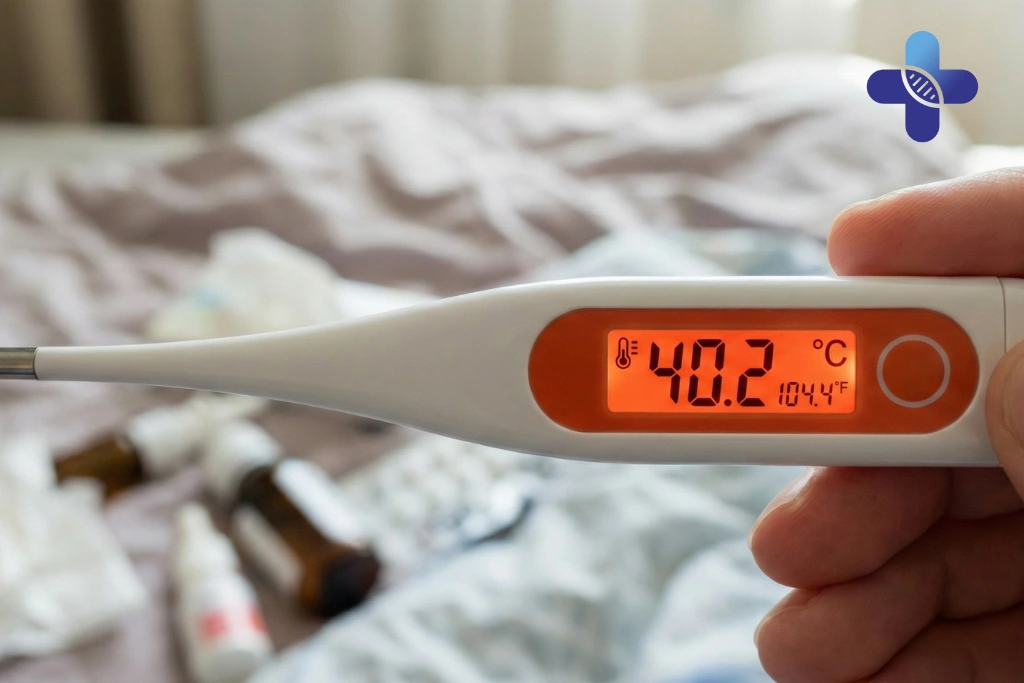
Travelers staying in Sanur often feel confused when mild symptoms appear shortly after arrival, thinking it’s jet lag or simple tiredness. In reality, temperature fluctuations Bali—from hotel AC, outdoor heat, coastal breeze, and evening cool-down—challenge the body’s thermoregulation systems. These responses are normal but can resemble early flu indicators. As a trusted Medical Clinic Bali, Life Everyouth Bali helps visitors differentiate harmless adaptation from signs of emerging illness.
Why Temperature Fluctuations in Bali Affect the Body So Strongly
Rapid AC-to-Outdoor Heat Changes Overloading the Respiratory System
The human respiratory tract is extremely sensitive to sudden thermal shifts. When travelers move abruptly from cold indoor AC to warm outdoor humidity, the airway lining contracts and expands repeatedly, causing irritation. Life Everyouth Bali often evaluates visitors who report an “instant hit” of congestion or breath discomfort right after stepping outside. This can momentarily reduce airflow efficiency and trigger mild sinus reactions.
Humidity Magnifying the Impact of Sudden Temperature Shifts
Humidity makes temperature fluctuations Bali feel stronger by slowing body cooling and increasing heat buildup. Travelers often report:
- Heaviness in the sinus area
- Warm, sluggish chest sensation
- Faster onset of fatigue outdoors
Understanding these humidity-driven effects helps travelers recognize when discomfort is normal and when it may signal early Bali flu symptoms.
Sanur’s Coastal Breeze Creating More Frequent Micro-Temperature Changes
Sanur has its own microclimate, influenced by the ocean breeze and shifts between shaded and sunny areas. Travelers can experience multiple temperature pockets within minutes—cool air near the beach, warm gusts near the road, and humid heat indoors. This naturally creates small but continuous temperature stress points that intensify discomfort, especially during the first days of stay.
Symptoms Triggered by Temperature Fluctuations That Travelers Often Misread
Morning Congestion and Sinus Pressure After Sleeping in Cold AC
Cold AC dries the sinuses and triggers mild inflammation, leading to morning congestion that improves outdoors. Common complaints include:
- Blocked nose on waking
- Forehead or cheek pressure
- Post-nasal drip from dry air
Recognizing this AC-related pattern helps travelers avoid mistaking simple irritation for infection or Bali flu.
Body Weakness That Appears After Heat Exposure
Heat after long AC exposure can briefly confuse temperature regulation, causing rapid fatigue. Travelers often feel:
- Sudden tiredness after stepping outside
- Slower recovery despite resting
- Unusual heat sensitivity
This quick drop in energy is usually temporary, but monitoring it helps determine whether symptoms are progressing beyond climate adjustment.
Chills or Mild Shivers When Moving Between Hot and Cold Environments
These chills occur because the body’s nervous system struggles to stabilize temperature quickly. While often harmless, prolonged shivering or chills that persist even after warming up could indicate early immune involvement. Understanding when it is normal vs concerning helps travelers react appropriately.
Headache Patterns That Can Mimic Early Bali Flu
Temperature shifts affect blood vessels around the head, leading to headaches similar to early flu indicators. Common triggers include:
- Exiting cold AC into humid air
- Afternoon heat buildup
- Sinus swelling due to humidity
Identifying these headache triggers allows travelers to distinguish climate-related discomfort from early Bali flu signs.
Lifestyle Factors That Make Temperature Sensitivity Worse in Sanur

Long Café or Coworking Hours in Cold AC
Remote workers and digital nomads who stay indoors for long hours may suddenly feel overwhelmed when stepping into Bali’s tropical air. The contrast between cool coworking spaces and outdoor heat causes blood vessel dilation and sinus reactions. Life Everyouth Bali commonly sees symptoms in those who spend extended hours working in cold AC environments.
Dehydration Reducing the Body’s Ability to Regulate Temperature
Low hydration weakens the body’s internal temperature control, making temperature fluctuations Bali feel harsher. Warning signs include:
- Thick mucus
- Dull headaches
- Slower sweating
- Increased fatigue
Proper hydration restores temperature balance and helps prevent these symptoms from escalating into flu-like discomfort.
How to Stay Comfortable Despite Bali’s Temperature Fluctuations
AC Settings, Clothing Tips, and Hydration Guidance from Life Everyouth Bali
Simple adjustments help reduce discomfort caused by temperature fluctuations Bali, including:
- Moderate AC temperatures
- Light, layered clothing
- Regular electrolyte intake
- Gradual transitions between environments
Applying these small lifestyle modifications supports smoother climate adaptation and lowers the risk of Bali flu–like symptoms.
When Temperature Sensitivity Means You Should See a Doctor in Bali
Warning Signs Suggesting Infection or Early Bali Flu
Temperature sensitivity becomes concerning when symptoms escalate beyond normal adaptation. Travelers should seek help from a Medical Clinic in Bali if they notice patterns such as:
- Fever that doesn’t go down
- Persistent chills despite warmth
- Thick or discolored mucus
- Body aches combined with severe fatigue
Why Rapid Temperature Changes Can Escalate Symptoms Quickly in Bali’s Humid Climate
Humidity slows heat release and makes internal temperature rise more easily. This amplifies symptoms triggered by temperature shifts, making mild discomfort progress faster than expected. Elderly travelers, children, and dehydrated adults are especially vulnerable.
How Doctor on Call Sanur Bali Provides Fast Evaluation Anywhere You Stay
Doctor on Call Sanur Bali allows travelers to receive medical assessment without leaving their hotel. This is especially helpful for those experiencing dizziness, chills, or sinus discomfort due to temperature fluctuations Bali.
If symptoms from temperature fluctuations Bali start to affect your comfort, contact Doctor on Call Sanur Bali for fast, reliable medical support wherever you stay.
Conclusion Temperature Fluctuations Bali: Why Your Body Reacts

Sudden temperature fluctuations Bali—from AC rooms, outdoor heat, coastal wind, and evening cool-down—can create symptoms that confuse travelers. While many reactions are harmless signs of adaptation, persistent or worsening discomfort may indicate early flu or infection. Monitoring your body’s responses ensures safer travel, especially in humid regions like Sanur. For quick medical support, contact Doctor on Call Sanur Bali via Life Everyouth Bali for fast, reliable evaluation.
To learn how dizziness develops under tropical heat and humidity, continue to our next guide on lightheaded in Bali.
Frequently Asked Question (FAQ) Temperature Fluctuations Bali: Why Your Body Reacts
Why are temperature fluctuations Bali so hard on travelers?
Temperature swings force the respiratory system, blood vessels, and nervous system to work harder than usual. Moving rapidly between cold AC and warm outdoor air triggers irritation, congestion, and headaches. Life Everyouth Bali frequently sees travelers struggling during their first 48 hours as their body adapts to temperature fluctuations Bali.
Can early Bali flu symptoms be triggered by sudden temperature changes?
Yes, temperature instability can weaken local immunity in the nose and throat, making it easier for viruses to take hold. For some travelers, this becomes the earliest phase of Bali flu, especially when dehydration or fatigue is present. Life Everyouth Bali helps visitors evaluate whether symptoms are simple climate reactions or early signs of infection.
Is morning congestion caused by AC use at night?
Often yes. Cold, dry AC air can inflame nasal tissues and increase mucus production. Many travelers wake up congested but improve quickly after being outdoors. Life Everyouth Bali sees this pattern frequently and helps rule out infection when congestion persists despite warmer exposure.
Does Sanur’s humidity increase temperature sensitivity?
Absolutely. Humidity intensifies the body’s thermal stress, making temperature swings feel sharper. This leads to fatigue, sinus pressure, or headaches that travelers often misinterpret. Life Everyouth Bali evaluates many guests whose symptoms are amplified by Sanur’s coastal microclimate.
Are elderly travelers more affected by temperature fluctuations in Bali?
Yes. Seniors adapt more slowly to heat and humidity because their thermoregulation system is less responsive. This makes them more susceptible to chills, fatigue, and sinus discomfort. Life Everyouth Bali regularly assists elderly visitors who struggle with sudden climate changes.
When should I visit a Medical Clinic in Bali for temperature-related symptoms?
If symptoms worsen, persist longer than two days, or appear with fever, severe congestion, dizziness, or chills, medical evaluation is recommended. A Medical Clinic in Bali can determine whether the cause is adaptation, infection, dehydration, or early flu.
Does moving between AC and outdoor heat cause headaches?
Yes. Blood vessels respond to temperature changes, expanding and contracting rapidly. This creates head pressure that resembles early flu headaches. Life Everyouth Bali often treats travelers who experience afternoon headaches after spending long periods in AC.
Can dehydration worsen symptoms from temperature fluctuations Bali?
Dehydration compromises the body’s ability to regulate temperature, making mild symptoms feel significantly worse. Travelers with low fluid intake often report dizziness, fatigue, and sinus pressure. Proper hydration greatly reduces the impact of temperature fluctuations Bali.
How long does it take to adapt to Bali’s climate?
Most travelers adapt within 48–72 hours, although people sensitive to humidity may take longer. Staying hydrated, moderating AC, and avoiding sudden exposure to midday heat can accelerate adaptation. Life Everyouth Bali offers support for those whose symptoms persist beyond the normal window.
Can Doctor on Call Sanur Bali diagnose temperature-related symptoms remotely?
Yes. Remote triage helps determine whether symptoms require in-person evaluation. Doctor on Call Sanur Bali can also visit your accommodation for a full assessment, ensuring safe and convenient care for travelers struggling with temperature-related discomfort.
