
A sexual health concern can feel more stressful during travel, especially after unprotected sex, a new partner, or a situation that feels uncertain. For tourists who feel worried after unprotected sex in Bali, broader guidance from HIV in Bali may help clarify when exposure details, symptoms, and testing decisions should be considered carefully.
Feeling Worried After Unprotected Sex in Bali: When HIV Risk Should Be Considered

A casual encounter during a trip can feel different afterward, especially if sex was unprotected, the condom broke, or you do not know your partner’s HIV status. For many tourists in Bali, the worry is not only about symptoms. It is the uncertainty: was this actually risky, should I test, or is it too soon?
Feeling worried does not automatically mean you have HIV. WHO explains that HIV symptoms vary by stage; in the first few weeks, some people may not notice symptoms, while others may experience flu-like symptoms such as fever, headache, rash, or sore throat.
If the concern started after a recent sexual encounter, understanding HIV anxiety after sex in Bali can help tourists separate emotional worry from actual exposure risk.
Why Worry Feels Stronger During Travel
Being away from home can make sexual health concerns feel more urgent. Tourists may not know which clinic to trust, may worry about privacy, or may have limited time before leaving Bali.
Online searching can make this worry worse. Fatigue, sweating, stomach discomfort, or skin changes may feel alarming when you are anxious, but poor sleep, dehydration, alcohol, jet lag, heat, and stress can also affect the body.
When uncertainty continues after possible exposure, confidential STD Testing in Bali can help travelers move from fear to a clearer medical plan.
When HIV Risk Should Be Considered
HIV concern becomes more relevant when there may have been exposure to certain body fluids during sex, especially when protection was not used or failed. Risk is based on what happened during the encounter, not fear alone.
Situations That May Need Closer Attention
- Unprotected vaginal or anal sex
- Condom break, slip, or incorrect condom use
- Sex with a partner whose HIV status is unknown
- Visible blood exposure during sex
- Contact with genital sores, wounds, or bleeding
- Sharing needles or injection equipment
- Sexual assault or unclear exposure details
These situations do not automatically mean HIV transmission occurred. They do mean it may be wise to speak with a medical professional, especially if the exposure was recent or unclear.
Travelers who are unsure whether their situation qualifies as exposure may benefit from reading what counts as HIV exposure during travel in Bali before making assumptions.
Why Symptoms Alone Are Not Enough
Many travelers begin checking their body after unprotected sex. A sore throat, fatigue, feverish feeling, or skin change may seem suspicious, but symptoms alone cannot confirm HIV.
Kemenkes lists several possible HIV symptoms, including fatigue, sore throat, rash, swollen lymph nodes, muscle pain, and night sweats. However, these symptoms can overlap with many other conditions, especially during travel.
Why Next-Day Symptoms Can Be Misleading
Symptoms that appear the next morning are not a reliable sign of HIV. They may be related to alcohol, dehydration, stress, food changes, poor sleep, or another common illness.
If symptoms become the main concern, tourists may need to understand how soon HIV symptoms can appear after exposure in Bali so they do not misread normal travel-related body changes.
If the Exposure Happened Less Than 72 Hours Ago
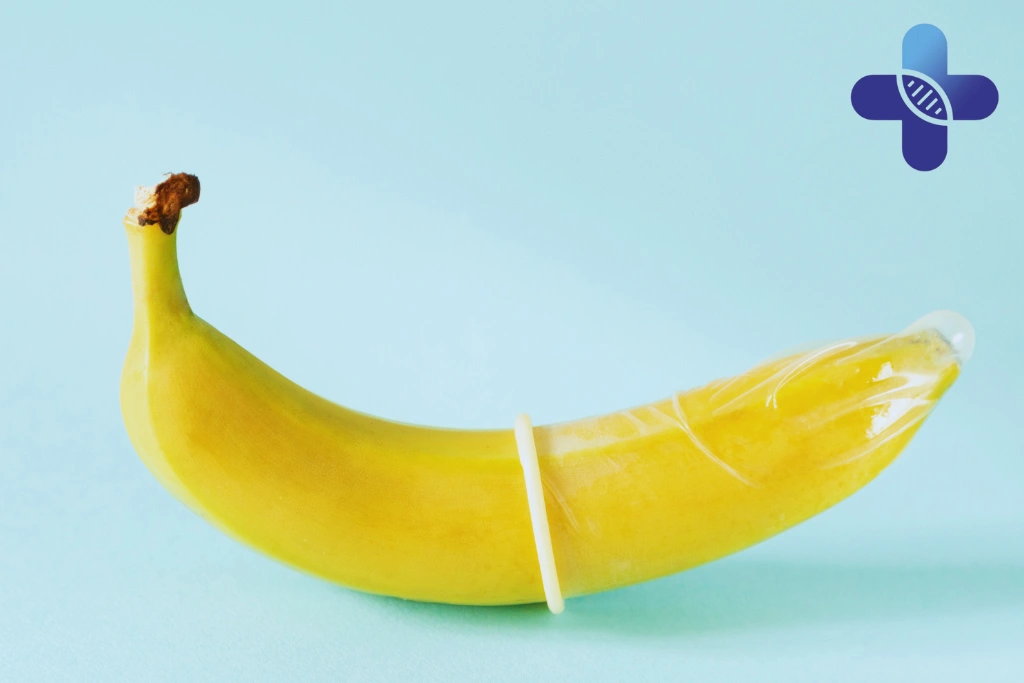
Timing matters. If possible HIV exposure happened within the last 72 hours, tourists should not wait for symptoms before seeking medical advice.
WHO recognizes post-exposure prophylaxis as part of HIV prevention. PEP is time-sensitive and should be assessed by a healthcare professional, because it is not needed for every sexual encounter.
A Medical Clinic in Bali or qualified sexual health provider can help assess the exposure type, timing, condom use, and partner-related risk. This is especially important if the encounter was recent.
When Testing Can Help
Testing is often the step that turns uncertainty into a plan. WHO recommends that people who may be at risk of HIV access testing, and HIV testing services should follow the 5Cs: consent, confidentiality, counselling, correct results, and connection with treatment or other services.
Kemenkes also emphasizes that accurate HIV examination is important for establishing diagnosis and starting appropriate treatment when needed.
Private STD Testing in Bali can help tourists understand which tests may be suitable based on exposure timing, symptoms, and individual risk. For travelers who are already thinking about testing, when to get an HIV test after exposure in Bali can help explain why the right timing matters.
Why HIV Worry Can Overlap With Other STD Concerns
Many travelers focus only on HIV because it feels frightening. But unprotected sex can also involve other STDs, including infections that may cause mild symptoms, delayed symptoms, or no symptoms at all.
Some symptoms, such as genital discomfort, discharge, sores, burning during urination, or rash, may point more toward other STDs than HIV. A STD Clinic Bali provider can help assess whether HIV testing, broader STD testing, or follow-up testing is more appropriate.
A Calm Way to Decide What to Do Next
A clear next step can reduce panic. Instead of repeatedly searching symptoms, focus on what happened, when it happened, and whether testing or medical advice is appropriate.
Next-Step Checklist for Tourists
- Note when the exposure happened
- Identify whether condom failure or unprotected sex occurred
- Avoid relying only on symptoms
- Seek urgent advice if possible exposure was recent
- Ask about HIV test timing and window periods
- Consider broader STD screening if the partner’s status is unknown
- Plan follow-up testing if advised by a clinician
Providers such as Life Everyouth Bali or another Medical Clinic in Bali may support tourists who need discreet sexual health guidance during their stay.
Confidential STD Testing in Bali
Worry after unprotected sex in Bali can feel overwhelming, especially when you are unsure whether HIV risk is realistic or when testing should be done. Tourists who want clarity may consider confidential STD Testing in Bali for private screening, medical guidance, and next-step advice based on exposure timing and individual risk.
Conclusion – Worried After Unprotected Sex in Bali? HIV Risk Guide
Feeling worried after unprotected sex does not automatically mean you have HIV. However, it is a reason to pause, understand the exposure, and make informed decisions.
For tourists in Bali, the most helpful next step is not panic-searching symptoms. It is assessing timing, risk factors, and whether confidential testing or medical advice is appropriate.
This article is for educational purposes only and does not replace medical consultation. If possible HIV exposure occurred recently, seek medical advice promptly.
Frequently Asked Question (FAQ) – Worried After Unprotected Sex in Bali? HIV Risk Guide
Should I worry about HIV after unprotected sex in Bali?
HIV risk depends on the type of sex, condom use, partner status, and whether blood or other risk factors were involved. Worry alone does not confirm risk, but unprotected vaginal or anal sex may deserve medical advice or testing.
Can one-time unprotected sex lead to HIV risk?
Yes, one unprotected encounter can carry HIV risk depending on the situation. The level of risk varies, so it is better to assess the exposure rather than assume the worst.
Can I tell if I have HIV from symptoms after sex?
No. Symptoms cannot confirm HIV. WHO explains that HIV symptoms vary depending on the stage of infection, and some people may not experience symptoms in the first weeks after infection.
If I feel sick the next day, does that mean HIV?
Usually, no. HIV symptoms do not typically appear the next day. Feeling sick soon after sex may relate to anxiety, alcohol, dehydration, poor sleep, food changes, or another common illness.
What should I do if the exposure happened less than 72 hours ago?
If the exposure may involve HIV risk and happened recently, seek medical advice promptly. PEP may be considered in some situations, but it requires professional assessment.
When should I get tested after unprotected sex?
Testing timing depends on the type of test and how recently exposure occurred. Some tests can detect HIV earlier than others, and follow-up testing may be recommended if testing happens during the window period.
Should I test for other STDs too?
It may be useful. Unprotected sex can involve infections other than HIV, and some STDs may have no symptoms at first. A clinician can advise whether HIV-only testing or broader STD screening is more appropriate.
Can tourists get confidential STD testing in Bali?
Yes. Tourists can access private screening through providers such as Life Everyouth Bali or another STD Clinic Bali, depending on location, availability, and testing needs.
Is STD testing in Bali private?
Many clinics offer private sexual health testing. Life Everyouth Clinic Bali can provide information about available testing options, privacy procedures, and result communication.
Do I need to visit a clinic if I have no symptoms?
You may still consider testing after unprotected sex, condom failure, or exposure to a partner with unknown status. No symptoms does not always mean no infection, and testing can help clarify your status.
