
Understanding Emergency Medical Care in Bali can help tourists respond calmly when illness, injury, severe weakness, or unsafe patient movement happens during a trip. For broader medical transport guidance, Ambulance in Bali explains when emergency ambulance, patient transfer, or supported movement may be needed.
Emergency Medical Care in Bali: A Tourist’s Guide to Safer Decisions During Illness or Injury
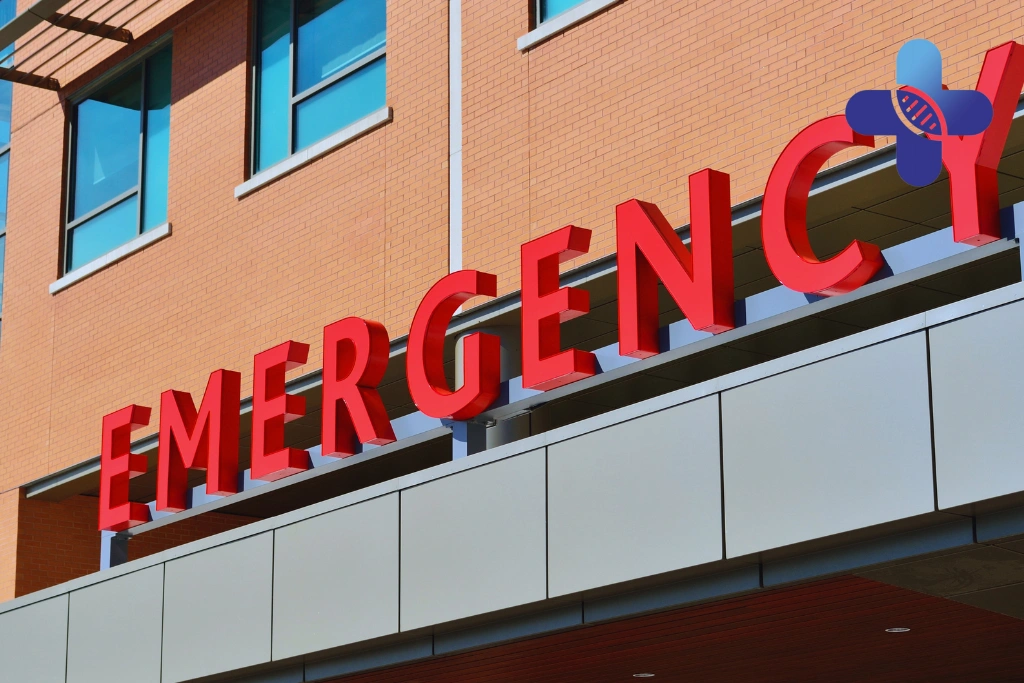
A medical problem during travel can feel unfamiliar. You may not know which clinic to contact, whether a hospital is needed, or whether the patient can safely travel by car.
The first step is not to guess the diagnosis. The first step is to look at the patient’s condition and decide how urgent the situation may be.
Emergency Medical Care in Bali may involve clinic assessment, hospital referral, ambulance support, patient transfer, or public emergency access depending on symptoms, location, and patient stability.
Life Everyouth Bali supports travelers through clinic access in Sanur and Jimbaran, with ambulance-related coordination depending on patient condition, urgency, exact location, destination, route, and availability.
Why Emergency Medical Care Feels Different for Tourists
At home, you may already know which number to call, which hospital to visit, and how your insurance works.
In Bali, the situation may involve hotel staff, villa managers, drivers, travel companions, insurance providers, clinics, hospitals, or ambulance support.
WHO describes emergency care systems as including care at the scene of illness or injury, during transport, and through emergency unit and early inpatient care. This means emergency care can begin before a patient reaches a hospital, especially when safe movement is part of the concern.
For tourists, the key is to stay practical: check the patient, avoid unsafe movement, prepare the location, and seek medical guidance when symptoms are urgent or unclear.
When Tourists Should Seek Urgent Help
Some symptoms should be assessed promptly, especially when they appear suddenly, worsen quickly, or make the patient unsafe to move.
Warning Signs That Should Not Be Ignored
Seek urgent medical guidance if the patient has:
- chest pain, chest pressure, or severe breathing difficulty
- fainting, collapse, confusion, or reduced consciousness
- heavy bleeding, serious injury, or suspected fracture
- head injury, neck pain, back pain, or severe pain after a fall or crash
- severe dehydration, repeated vomiting, or inability to stay alert
- seizure-like activity or sudden weakness
- inability to sit, stand, walk, or move safely
- symptoms that worsen during travel, outdoor activity, or after eating
These signs do not confirm one specific condition. They suggest that the patient may need urgent assessment and safer transport.
For urgent symptoms or unsafe movement, Emergency Ambulance Service in Bali may be the more appropriate pathway.
Clinic, Hospital, Ambulance, or Taxi?
A clinic may be suitable when symptoms are concerning but the patient is stable, alert, and able to travel safely.
A hospital may be needed when symptoms are more serious, worsening, or likely to require advanced assessment, imaging, emergency treatment, or specialist care.
Ambulance support should be considered when the patient is unstable, confused, fainting, short of breath, bleeding, seriously injured, in severe pain, or unable to move safely.
A taxi or private car may be reasonable for mild and stable symptoms, but it should not be the default choice if the patient may worsen during the journey. For a clearer comparison, readers can review ambulance or taxi in Bali.
Emergency Care From Hotels, Villas, and Tourist Areas
Many emergencies begin in ordinary travel settings. A guest may become weak in a hotel room, fall in a villa, feel unwell at a restaurant, collapse after a day trip, or become injured near a beach or roadside.
In these situations, practical details matter.
The team may need the exact hotel or villa name, room number, map pin, entrance gate, security post, parking access, stairs, elevator availability, and a contact person who can guide support to the patient.
If the patient has a suspected fracture, head injury, severe weakness, confusion, or breathing difficulty, avoid forcing them to walk unless there is immediate danger.
What To Prepare Before Asking for Help
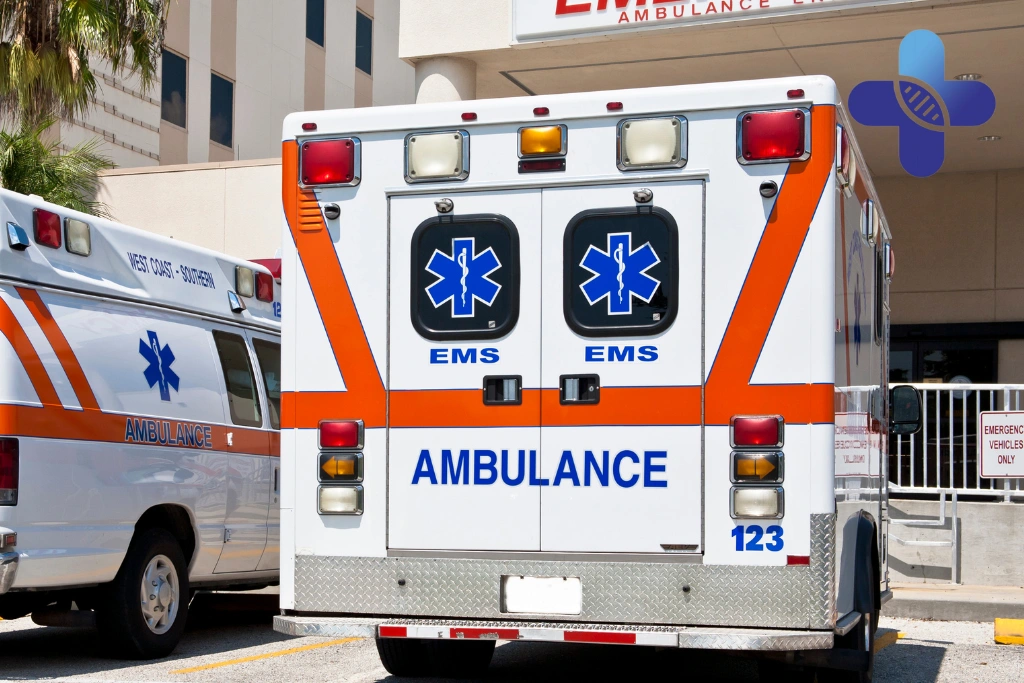
Clear information helps medical support understand the situation faster.
Details That Help Medical Teams
Prepare:
- exact location, including hotel, villa, room number, gate, landmark, or map pin
- patient’s age and main symptoms or injury
- whether the patient is conscious and breathing normally
- whether the patient can sit, stand, walk, or move safely
- what happened and when symptoms started
- known medical conditions, medications, allergies, or pregnancy status if relevant
- passport and travel insurance details if available
- destination clinic, hospital, hotel, villa, airport, or residence if known
- contact person who can stay with the patient
Do not delay urgent help just to find documents. If symptoms are serious or movement is unsafe, medical guidance should come first.
How Emergency Medical Care Connects to Transport and Insurance
Emergency medical care may involve more than one step. A traveler may need clinic assessment, hospital referral, ambulance support, patient transfer, documentation, or insurance coordination.
Indonesia has public emergency access through PSC 119. Kemenkes describes PSC 119 as a quick-response emergency health service for critical situations, including situations beyond traffic accidents.
Travel insurance can also be useful, but coverage varies. CDC explains that some health insurance plans may cover international medical emergencies, but the exact type of coverage can differ, so travelers should check what services are covered before relying on a policy abroad.
If the patient is stable but still needs supported movement after treatment, discharge, or follow-up care, Non-Emergency Patient Transfer in Bali may be more suitable than emergency ambulance response.
Need Emergency Medical Care in Bali?
If someone is seriously ill, injured, unstable, confused, dehydrated, in severe pain, struggling to breathe, or unable to move safely, medical guidance can help determine whether clinic care, hospital referral, ambulance support, or patient transfer is more appropriate.
Life Everyouth Bali provides Ambulance Service in Bali, with clinic access in Sanur and Jimbaran and coordination depending on patient condition, location, destination, and availability. For ambulance support, contact +6285887888911.
Conclusion: Emergency Medical Care in Bali

Emergency Medical Care in Bali can involve clinic guidance, hospital referral, ambulance support, patient transfer, public emergency access, and insurance coordination.
For tourists, the safest decision starts with the patient’s condition. If the patient is unstable, confused, injured, short of breath, severely weak, or unable to move safely, ordinary transport may not be the best option.
Life Everyouth Bali, Bali Medical Clinic, and a Medical Clinic in Bali may help travelers understand the next step depending on symptoms, location, urgency, and patient stability.
Frequently Asked Questions (FAQs): Emergency Medical Care in Bali
What is emergency medical care in Bali?
Emergency medical care in Bali may include clinic assessment, hospital referral, ambulance support, emergency transport, patient transfer, and public emergency access depending on the situation.
When should tourists seek urgent medical care in Bali?
Tourists should seek urgent help for chest pain, breathing difficulty, collapse, confusion, serious injury, suspected fracture, heavy bleeding, severe dehydration, or unsafe movement.
Should I go to a clinic or hospital first?
A clinic may help if the patient is stable. A hospital may be needed for serious symptoms, worsening conditions, advanced assessment, or emergency treatment.
When is ambulance support needed?
Ambulance support may be needed when the patient is unstable, confused, fainting, short of breath, bleeding, seriously injured, in severe pain, or unable to move safely.
Can tourists access emergency medical support in Bali?
Yes. Tourists may seek support through clinics, hospitals, ambulance services, hotels, villas, public emergency access, or private medical coordination depending on the case.
Can Life Everyouth Bali help during a medical emergency?
Life Everyouth Bali may help travelers understand whether clinic care, ambulance support, hospital referral, or patient transfer is more appropriate. For ambulance support, contact +6285887888911.
What should I prepare before asking for help?
Prepare the exact location, map pin, patient symptoms, consciousness and breathing status, mobility status, medical history, medications, allergies, insurance details, and a contact number.
Does travel insurance cover emergency care in Bali?
Coverage depends on the policy. Some insurance plans may help with medical care, documentation, reimbursement, or evacuation, but travelers should check coverage details.
What if the patient is stable but still needs transport?
A stable patient may need Non-Emergency Patient Transfer in Bali if they need supported movement between a hotel, villa, clinic, hospital, airport, or recovery stay.
Can Bali Medical Clinic or a Medical Clinic in Bali help decide the next step?
Bali Medical Clinic or a Medical Clinic in Bali may help with assessment, referral planning, documentation, or transport guidance depending on symptoms and urgency.
