
When a traveler is stable but still needs supported medical movement, Non-Emergency Patient Transfer in Bali may help reduce the risk of unsafe transport between a hotel, villa, clinic, hospital, residence, or airport. For broader medical transport guidance, Ambulance in Bali explains when emergency ambulance, patient transfer, or supported movement may be needed.
Non-Emergency Patient Transfer in Bali: Safer Medical Transport for Stable Travelers, Hotels, Clinics, Hospitals, and Airports
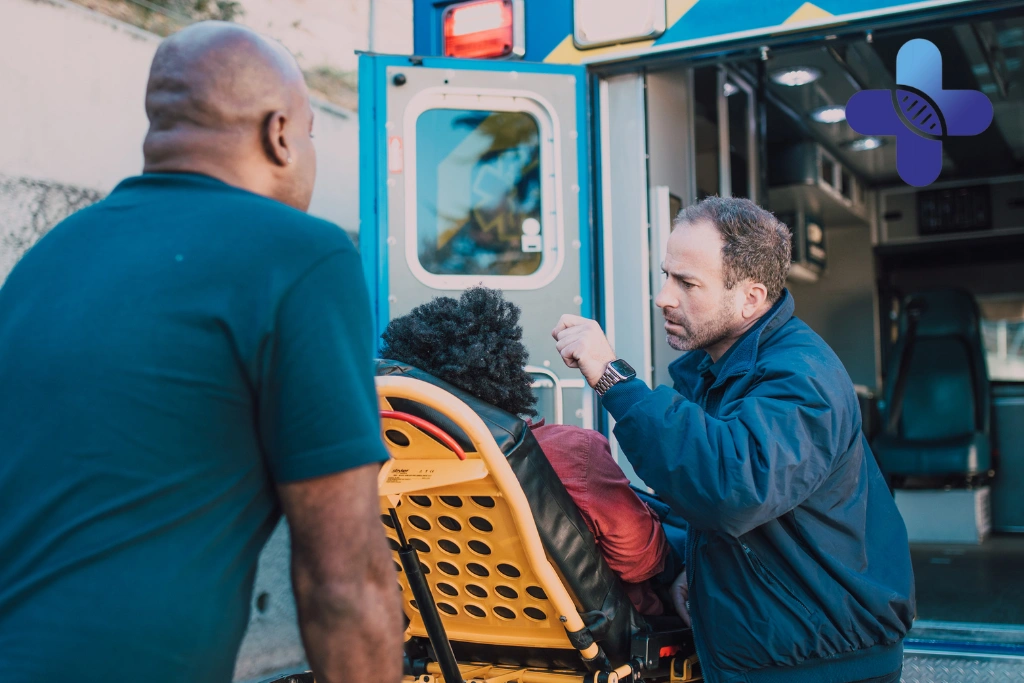
Not every medical transport situation is an emergency. Some travelers do not need urgent ambulance response, but they may still be too weak, injured, post-treatment, elderly, or medically limited to travel comfortably in ordinary transport.
That is where Non-Emergency Patient Transfer in Bali can be useful.
This type of transfer is generally for stable patients who need supported movement, planned transport, or safer coordination between locations. It may involve movement from a hotel to a clinic, clinic to hotel, hospital to villa, villa to hospital, or medical facility to airport depending on patient condition and suitability.
Life Everyouth Bali supports travelers through clinic access in Sanur and Jimbaran, with ambulance-related coordination depending on patient condition, location, destination, timing, access, and availability.
What Non-Emergency Patient Transfer Means
Non-emergency patient transfer refers to planned or semi-planned medical transport for a patient who is not in immediate life-threatening distress but may still need safer support during movement.
This can apply when a traveler is stable but weak, recovering, post-treatment, mobility-limited, or uncomfortable using ordinary transport.
WHO describes emergency care systems as including care at the scene of illness or injury, during transport, and through emergency unit and early inpatient care. Even when a transfer is not an emergency, the movement itself can still be part of a safer care pathway when the patient needs support.
The goal is not speed alone. The goal is safer movement based on the patient’s condition.
When Non-Emergency Transfer May Be Appropriate
Non-emergency patient transfer may be suitable when the patient is stable but should not travel alone, on a scooter, or in an uncomfortable vehicle.
Common Reasons Travelers Request Transfer Support
Non-emergency transfer may be considered for:
- clinic-to-hotel or hospital-to-villa return after assessment
- hotel or villa to clinic for planned medical review
- transfer after mild injury when walking is limited
- transfer for elderly travelers or mobility-limited patients
- post-treatment movement when the patient is stable but weak
- airport-related medical transfer when travel is medically suitable
- inter-facility movement when referral or follow-up is arranged
This is different from urgent emergency response. The patient should still be assessed based on symptoms, stability, mobility, and risk during travel.
For accommodation-related movements, readers can review ambulances from hotels or villas in Bali.
When It Is Not a Non-Emergency Situation
A situation should not be treated as non-emergency if the patient is unstable, worsening, confused, fainting, short of breath, bleeding heavily, in severe pain, or unable to remain alert.
In those cases, emergency ambulance support or urgent medical assessment may be more appropriate.
Kemenkes describes PSC 119 as a quick-response emergency health service for critical situations, including situations beyond traffic accidents.
If symptoms are serious or unclear, do not downgrade the situation into a planned transfer for convenience.
For urgent symptom decisions, readers may continue with when to call an ambulance in Bali.
Transfer From Hotels, Villas, Clinics, Hospitals, or Airports
Bali travel often involves different locations and access challenges. A patient may need to transfer from a hotel room in Sanur, a villa in Jimbaran, a retreat stay in Ubud, a surf-related accommodation in Uluwatu, or a private residence near Canggu.
The transfer may involve stairs, narrow roads, gates, villa lanes, security access, parking limits, or hotel procedures.
A planned transfer is usually easier when the pickup point, destination, timing, access route, and patient mobility are clear before the team is arranged.
If the patient is weak or injured, avoid forcing them to walk to the lobby, gate, roadside, or parking area unless movement has been assessed as safe.
Ambulance Transfer or Ordinary Car?
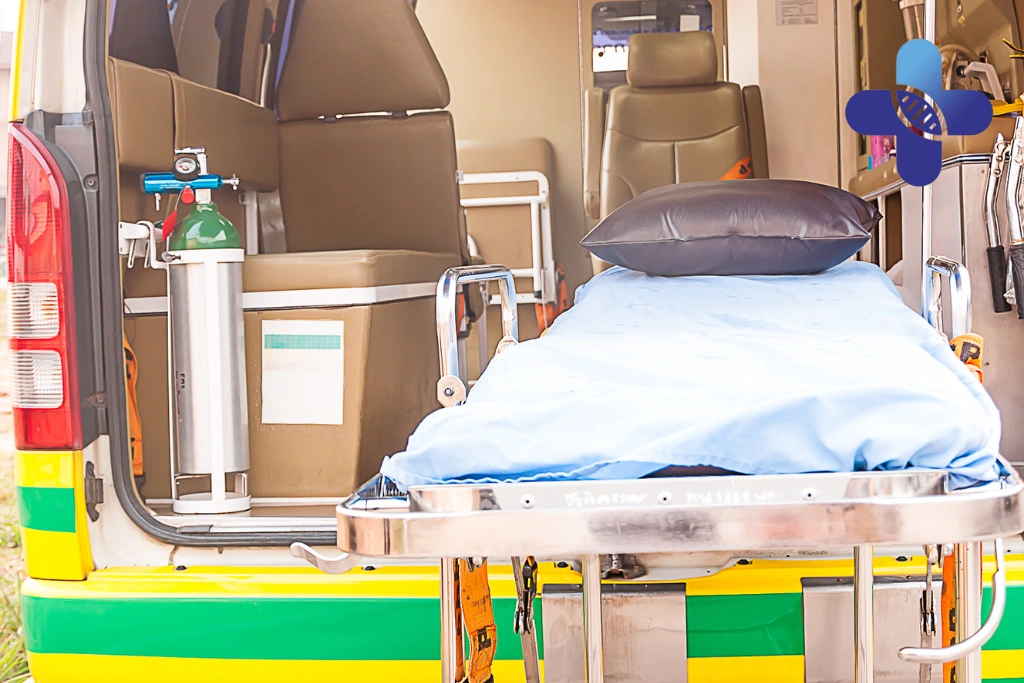
An ordinary car may be enough when the patient is fully alert, comfortable sitting upright, able to enter and exit safely, and not at risk of worsening during travel.
Ambulance transfer may be more appropriate when the patient needs supported movement, cannot sit comfortably, has limited mobility, is recovering from illness or injury, or requires more careful transport coordination.
The decision should be based on the patient’s condition and comfort, not only distance or cost.
For a practical comparison, readers may review an ambulance or taxi in Bali.
What to Prepare Before a Planned Patient Transfer
Clear details help the transfer team understand whether the movement is suitable, what access is needed, and where the patient should be taken.
Details That Help Transfer Coordination
Prepare:
- exact pickup location and map pin
- hotel, villa, clinic, hospital, room number, gate, or landmark
- destination address and contact person
- patient’s age and current condition
- reason for transfer
- whether the patient can sit, stand, walk, or needs assistance
- whether stairs, elevators, narrow lanes, or parking limits are involved
- medical documents, discharge notes, or referral notes if available
- passport and travel insurance details if available
- preferred timing, while understanding availability may vary
Do not delay urgent care if the patient becomes unstable while preparing transfer details.
Insurance, Documentation, and Travel Plans
For travelers, insurance may matter during planned medical movement, especially if transfer is connected to hospital discharge, follow-up care, a missed flight, or medical evacuation planning.
CDC explains that travel disruption insurance, travel health insurance, and medical evacuation insurance provide different types of coverage for illness or injury abroad. Coverage depends on the policy, so travelers should check what applies to their situation.
Medical documents, invoices, referral notes, discharge summaries, and transport records may help with insurance communication. However, insurance paperwork should not delay care when symptoms become urgent.
Need Non-Emergency Patient Transfer in Bali?
If a traveler is stable but weak, mobility-limited, post-treatment, injured, recovering, or uncomfortable using ordinary transport, medical transport guidance can help determine whether non-emergency patient transfer, clinic care, hospital referral, airport transfer, or another option is more appropriate.
Life Everyouth Bali provides Ambulance Service in Bali, with clinic access in Sanur and Jimbaran and coordination depending on patient condition, location, destination, and availability. For ambulance support or patient transfer, WhatsApp +6285887888911.
Conclusion: Non-Emergency Patient Transfer in Bali: Traveler Guide

Non-Emergency Patient Transfer in Bali is useful when a traveler is not in immediate danger but still needs safer, more supported movement than ordinary transport can provide.
It may help with planned movement between hotels, villas, clinics, hospitals, residences, or airports when the patient is stable but weak, recovering, injured, elderly, or mobility-limited.
If symptoms become urgent, worsening, or unsafe, the situation should be treated as emergency medical support rather than routine transfer.
Life Everyouth Bali, Bali Medical Clinic, and a Medical Clinic in Bali may help guide the next step depending on patient condition, destination, access, and suitability for transfer.
Frequently Asked Questions (FAQs): Non-Emergency Patient Transfer in Bali: Traveler Guide
What is non-emergency patient transfer in Bali?
Non-emergency patient transfer is planned medical transport for a stable patient who still needs supported movement between locations such as a hotel, villa, clinic, hospital, residence, or airport.
Who may need non-emergency patient transfer?
It may be useful for stable travelers who are weak, recovering, mobility-limited, elderly, post-treatment, mildly injured, or uncomfortable using ordinary transport.
Is non-emergency transfer the same as emergency ambulance service?
No. Emergency ambulance support is for urgent or unstable situations. Non-emergency transfer is generally for stable patients who still need safer movement.
When should the situation be treated as an emergency?
Treat it as urgent if the patient has chest pain, breathing difficulty, confusion, fainting, heavy bleeding, severe pain, worsening symptoms, or unsafe movement.
Can patient transfer be arranged from a hotel or villa?
Patient transfer may be arranged from hotels, villas, residences, clinics, hospitals, or other locations depending on access, patient condition, destination, timing, and availability.
Can Life Everyouth Bali help with patient transfer?
Life Everyouth Bali may help travelers understand whether non-emergency patient transfer, ambulance support, clinic care, hospital referral, or another option is more appropriate. For support, WhatsApp +6285887888911.
Does Life Everyouth Bali provide clinic access across Bali?
Life Everyouth Bali has clinic access in Sanur and Jimbaran. For other areas, coordination depends on patient condition, route, destination, access, timing, and availability.
What should I prepare before requesting a patient transfer?
Prepare the exact pickup location, destination, patient condition, mobility status, stairs or access issues, medical documents, passport, insurance details, and a reachable contact person.
Can Bali Medical Clinic or a Medical Clinic in Bali help after transfer?
Bali Medical Clinic or a Medical Clinic in Bali may help with assessment, referral planning, documentation, follow-up care, or coordination depending on the patient’s condition.
Should insurance be contacted before patient transfer?
Insurance may help with documentation or payment guidance, but urgent care should not be delayed if the patient becomes unstable, worsens, or cannot move safely.
