
A suspected Broken Bone in Bali can become more complicated when a traveler is in severe pain, unable to walk, injured after a fall, or unsafe to move from a hotel, villa, beach area, roadside, or tourist location. For broader medical transport guidance, Ambulance in Bali explains when emergency ambulance, patient transfer, or supported movement may be needed.
Broken Bone in Bali: When Travelers May Need Ambulance Support After a Fall, Crash, or Serious Injury
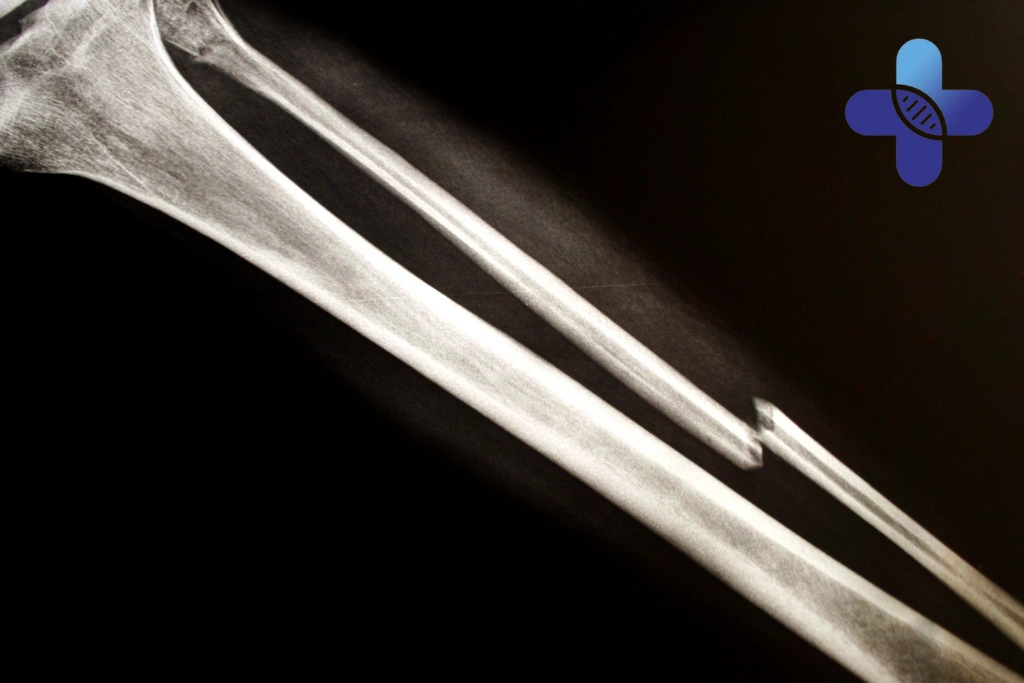
A broken bone is not always obvious right away. After a fall, scooter accident, surf injury, or slip at a villa, someone may still be able to talk or move but feel severe pain when trying to stand.
The safer question is not only whether the person can walk. It is whether moving them could make the injury worse.
A suspected Broken Bone in Bali may need ambulance support when there is severe pain, visible deformity, heavy bleeding, head injury, neck or back pain, or the patient cannot move safely by ordinary transport.
Life Everyouth Bali supports travelers through clinic access in Sanur and Jimbaran, with ambulance-related coordination depending on patient condition, urgency, exact location, route, destination, and availability.
Why a Suspected Broken Bone Needs Careful Movement
After an injury, pain and swelling may increase over time. The person may also feel dizzy, shocked, weak, or unable to use the injured limb normally.
Medical transport matters because the journey itself may affect the injury. WHO describes emergency care systems as including care at the scene of illness or injury, during transport, and through emergency unit care. This supports treating transport as part of the care pathway when movement may be unsafe.
A taxi may feel faster, but it may not be safe if the patient cannot sit, stand, walk, or tolerate the journey.
When Ambulance Support May Be Needed
A suspected fracture should be assessed promptly when symptoms suggest serious injury or unsafe movement.
Injury Signs That Should Not Be Ignored
Consider ambulance support if the patient has:
- severe pain, swelling, bruising, or visible deformity
- inability to stand, walk, or move the injured area normally
- heavy bleeding or an open wound near the injury
- numbness, tingling, weakness, or loss of feeling
- head injury, confusion, vomiting, or reduced alertness
- neck pain, back pain, or pain after a high-impact fall or crash
- injury after a scooter accident, surf injury, stairs, pool area, or roadside fall
- pale skin, fainting, dizziness, or signs of shock
Mayo Clinic advises not moving a person with a suspected fracture unless necessary, to avoid making the injury worse. It also recommends urgent action when there is heavy bleeding, deformity, bluish color, numbness, or suspected neck, head, back, hip, pelvis, or upper leg fracture.
For crash-related injury, readers may also review scooter accident in Bali.
Do Not Try to Straighten or Force Movement
It can be tempting to straighten the injured limb, massage the area, or help the patient walk to a car. That can be risky.
Red Cross first aid guidance says muscle and bone injuries should be treated as possible fractures, and the person should rest without moving or straightening the injured body part.
If there is an open wound, visible deformity, severe pain, or suspected head, neck, or back injury, avoid unnecessary movement unless the patient is in immediate danger.
If the person is on a road or unsafe surface, move only as much as needed to protect them from traffic, fire, water, or other immediate hazards.
Broken Bone After Falls, Surfing, or Scooter Accidents in Bali

A suspected broken bone can happen in many travel settings.
A traveler may fall on villa stairs, slip near a pool, crash on a scooter, land badly while surfing, trip on uneven paths, or injure themselves during outdoor activity.
Uluwatu and Canggu may involve surf injuries or scooter-related incidents. Ubud may involve day trips, stairs, waterfalls, cycling, or villa access. Sanur and Jimbaran may involve hotels, resorts, beach areas, residences, or family stays.
For South Bali surf and access-related cases, readers may continue with ambulance in Uluwatu.
Ambulance or Taxi for a Suspected Broken Bone?
A taxi or private car may be reasonable only if the injury is minor, pain is controlled, the patient is fully alert, and they can sit safely without worsening symptoms.
Ambulance support may be more appropriate when the patient cannot walk, has severe pain, heavy bleeding, deformity, suspected fracture, head injury, neck pain, back pain, or unsafe movement.
The decision should not be based only on distance. A short trip can still be unsafe if the patient cannot be moved properly.
What to Do While Waiting for Help
Keep the patient calm and avoid unnecessary movement. If possible, keep the injured area still and supported without forcing it into position.
Do not push a bone back into place. Do not force the patient to stand. Do not test the injury repeatedly by asking them to walk.
If there is bleeding, use clean cloth or dressing and apply gentle pressure around the wound if it can be done safely. Mayo Clinic advises stopping bleeding with sterile bandage, clean cloth, or clean clothing while waiting for medical help.
For broader waiting guidance, readers may review what to do while waiting for an ambulance in Bali.
What Information to Prepare Before Asking for Help
Clear information helps medical support understand the urgency and plan safer movement.
Details That Help Coordination
Prepare:
- exact location, map pin, hotel or villa name, room number, gate, or landmark
- what happened and when the injury occurred
- where the pain or suspected fracture is located
- whether there is visible deformity, swelling, bleeding, or open wound
- whether the patient hit their head or lost consciousness
- whether there is neck pain, back pain, numbness, or weakness
- whether the patient can sit, stand, walk, or move safely
- known medical conditions, medications, allergies, or pregnancy status if relevant
- passport and travel insurance details if available
- contact person who can stay with the patient
Do not delay urgent help just to find documents.
Public Emergency Access and Ambulance Support
Indonesia has public emergency access through PSC 119. Kemenkes describes PSC 119 as a quick-response emergency health service for critical situations, including situations beyond traffic accidents.
Travelers may also use private ambulance support, clinic coordination, hotel or villa assistance, hospital referral, or insurance support depending on the injury and location.
The safest option depends on injury severity, patient stability, access route, destination, and availability.
Need Ambulance Support for a Broken Bone in Bali?
If someone has severe pain, suspected fracture, visible deformity, heavy bleeding, head injury, neck pain, back pain, numbness, or cannot move safely, medical transport guidance can help determine whether ambulance support, clinic care, hospital referral, or patient transfer is more appropriate.
Life Everyouth Bali provides Ambulance Service in Bali, with clinic access in Sanur and Jimbaran and coordination depending on patient condition, location, destination, and availability. For ambulance support, contact +6285887888911.
Conclusion: Broken Bone in Bali Ambulance Guide

A suspected Broken Bone in Bali should be handled carefully, especially after a fall, scooter accident, surf injury, or high-impact crash.
Ambulance support may be needed when the patient has severe pain, visible deformity, heavy bleeding, head injury, neck pain, back pain, numbness, weakness, or unsafe movement.
Mild injuries may be suitable for clinic care or ordinary transport if the patient is stable and can travel safely. When the injury is serious or unclear, it is safer to seek medical guidance before moving the patient.
Life Everyouth Bali, Bali Medical Clinic, and a Medical Clinic in Bali may help guide the next step depending on injury severity, urgency, location, and patient stability.
Frequently Asked Questions (FAQs): Broken Bone in Bali Ambulance Guide
Should I call an ambulance for a broken bone in Bali?
Consider ambulance support if there is severe pain, suspected fracture, visible deformity, heavy bleeding, head injury, neck pain, back pain, numbness, or unsafe movement.
What if the person can still walk?
Walking does not always mean the injury is minor. If pain is severe, swelling increases, the limb looks abnormal, or symptoms worsen, medical assessment is still important.
Can I take someone with a suspected broken bone by taxi?
A taxi may be reasonable for minor, stable injuries. Ambulance support may be safer if the patient cannot sit, stand, walk, or move without severe pain.
Should I try to straighten the injured limb?
No. Avoid forcing movement or trying to straighten the limb. Keep the injured area still and supported while seeking medical guidance.
What should I do while waiting for help?
Keep the patient calm, avoid unnecessary movement, support the injured area, prepare location details, and keep the phone reachable.
Can Life Everyouth Bali help after a suspected broken bone?
Life Everyouth Bali may help travelers understand whether ambulance support, clinic care, hospital referral, or patient transfer is more appropriate. For ambulance support, contact +6285887888911.
What information should I prepare before requesting help?
Prepare the exact location, map pin, what happened, injury location, pain severity, bleeding, deformity, head impact, mobility status, medical history, and a reachable contact number.
Does a surf injury or scooter crash need ambulance support?
It may need ambulance support if there is severe pain, suspected fracture, head impact, confusion, bleeding, neck pain, back pain, or unsafe movement.
Can Bali Medical Clinic or a Medical Clinic in Bali help after a fracture?
Bali Medical Clinic or a Medical Clinic in Bali may help with assessment, referral planning, documentation, or follow-up guidance depending on injury severity and urgency.
Should I contact insurance before ambulance support?
Insurance may help with documentation or payment guidance, but urgent medical help should not be delayed when injury is serious, worsening, or movement is unsafe.
