
Feeling unwell for longer than expected can be frustrating when you are trying to enjoy your trip. If you are asking why do small illnesses last longer in Bali, it helps to understand broader recovery factors related to the Immune System in Bali, including sleep, hydration, heat exposure, food intake, digestion, and travel pace.
Why Do Small Illnesses Last Longer in Bali? Travel Recovery, Fatigue, and Immune Resilience
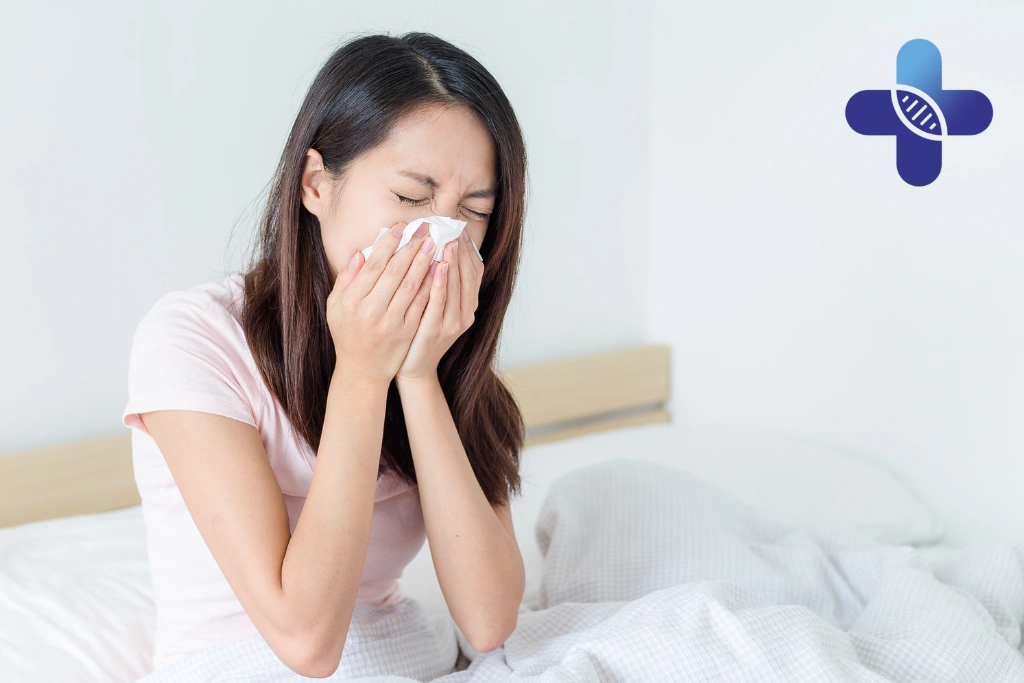
A mild sore throat, stomach upset, or short fever may feel manageable at first. But when symptoms linger for several days, many travelers start wondering why recovery feels slower than usual.
If you are asking why do small illnesses last longer in Bali, the answer is often not one single cause.
Small illnesses may feel longer because the body is trying to recover while also handling travel fatigue, heat, dehydration, unfamiliar food, poor sleep, alcohol, stress, and continued activity.
This does not mean Bali is unsafe. It means your body may need more recovery space than your itinerary allows.
Why Recovery Can Feel Slower During Travel
At home, recovery usually happens inside a familiar routine.
You may sleep in your own bed, eat familiar food, drink enough water, and pause normal activities when you feel unwell. During travel, that routine often disappears.
In Bali, you may keep going because there are tours, dinners, beach days, remote work calls, or plans with friends. Even when symptoms are mild, the body may not get the quiet recovery window it needs.
This is why a small illness can feel like it lasts longer than expected.
Poor Sleep Can Delay the Feeling of Recovery
Sleep is one of the body’s most important recovery tools.
Long flights, jet lag, late nights, early tours, nightlife, unfamiliar rooms, and remote work across time zones can reduce sleep quality. When this happens for several days, the body may feel slower to recover.
Research available through the National Institutes of Health explains that sleep has a strong regulatory influence on immune function and supports immune defense.
If your symptoms feel mild but keep lingering, poor sleep may be part of the reason.
A related topic like travel fatigue Bali can help explain how sleep, activity, and recovery rhythm interact during a trip.
Heat, Dehydration, and Activity Can Keep the Body Under Stress
Bali’s warm climate can increase fluid loss, especially during beach days, walking tours, surfing, temple visits, waterfalls, scooter rides, or outdoor workouts.
You may not feel extremely thirsty, but your body may still be losing fluids through sweating. Alcohol, diarrhea, vomiting, and low water intake can add to this.
CDC Travelers’ Health explains that heat illness risk during travel can be affected by destination, activity, hydration level, and age. CDC Yellow Book also notes that heat-related symptoms can include nausea, headache, muscle weakness, and lethargy.
When dehydration overlaps with mild illness, fatigue and weakness may feel stronger. For travelers who feel drained after heat or digestive symptoms, how dehydration affects your immune system in Bali is a useful supporting topic.
Digestive Symptoms Can Extend Weakness
Digestive symptoms can make small illnesses feel bigger.
Diarrhea, nausea, vomiting, and poor appetite can reduce fluid intake, disturb sleep, and make it harder to eat enough. This can leave the body with less energy for recovery.
CDC Yellow Book explains that fluids and electrolytes are lost during travelers’ diarrhea, and replenishment is important, especially for young children, older adults, and adults with chronic medical illness.
If digestive symptoms continue or return, it is better not to assume the issue is only travel fatigue.
Why You May Feel “Almost Better” but Not Fully Recovered

Many travelers feel better for a few hours, then get tired again later.
This can happen when the body is improving, but not fully recovered. You may feel well enough to go out, then feel drained after heat, walking, alcohol, or a late night.
Recovery Patterns That Can Make Illness Feel Longer
Small illnesses may linger when your trip includes:
- poor sleep for several nights
- long outdoor activity in heat
- low fluid intake
- alcohol while still weak
- digestive symptoms or low appetite
- returning to tours, surfing, or nightlife too soon
- stress from remote work or travel changes
- not taking a full rest day
These patterns do not mean something is seriously wrong. They suggest the body may need a slower recovery pace.
When Lingering Symptoms Need Medical Guidance
Most mild symptoms improve with rest, safe fluids, simple meals, and better sleep.
But symptoms that persist, worsen, or return repeatedly should be taken more seriously. CDC Yellow Book describes common syndromes in ill travelers, including fever, respiratory illness, gastrointestinal illness, and central nervous system concerns, which supports careful evaluation when symptoms are unclear or concerning.
If symptoms feel difficult to understand, contacting a trusted Medical Clinic in Bali can help travelers decide whether self-care is enough or medical evaluation is needed.
Warning Signs That Should Not Be Ignored
Seek medical guidance if symptoms include:
- persistent or returning fever
- repeated vomiting or diarrhea
- signs of dehydration
- severe weakness that does not improve with rest and fluids
- fainting, confusion, or unusual drowsiness
- chest pain or breathing difficulty
- severe abdominal pain
- blood in stool or worsening digestive symptoms
- symptoms that keep getting worse
- symptoms in children, elderly travelers, pregnant travelers, or people with chronic illness
These signs do not confirm a specific illness. They are reasons to get proper guidance rather than assuming the body is only tired.
For a decision-focused next step, when should you seek medical help for frequent illness in Bali can support this part of the cluster.
How to Help Your Body Recover Faster
The first step is usually to reduce load on the body.
Sleep earlier for a few nights. Drink safe fluids regularly. Eat simple meals that are easier to tolerate. Avoid alcohol while still weak. Stay cooler during the hottest parts of the day.
If you recently had diarrhea or vomiting, oral rehydration solution may be helpful. CDC Yellow Book notes that oral rehydration therapy is important when fluid and electrolyte loss occurs during travelers’ diarrhea.
Avoid returning too quickly to full-day tours, surfing, intense workouts, long transfers, or late-night plans.
A smaller schedule for one or two days can sometimes make recovery feel much smoother.
Where Immune Support May Fit
Some travelers still feel weak, dehydrated, low on appetite, or slow to recover even after basic rest and hydration.
For suitable travelers, Immune Booster IV Drip Bali may be considered as supportive care for hydration and selected nutrient support. It should not be treated as a cure for infection, a guaranteed recovery shortcut, or a replacement for medical evaluation.
As a Medical Clinic in Bali, Life Everyouth Bali can help assess whether supportive IV care is suitable based on symptoms, hydration status, medical history, and current condition.
Life Everyouth Bali’s service page lists Immune Booster IV Drip Bali, clinic access in Sanur and Jimbaran, home visit IV therapy options, and several package options.
Conclusion – Why Do Small Illnesses Last Longer in Bali?
If you are asking why small illnesses last longer in Bali, the reason may involve poor sleep, dehydration, heat, digestive symptoms, alcohol, stress, and returning to activity too quickly.
Start with rest, safe fluids, simple meals, and a lighter schedule. If symptoms persist, worsen, or come with fever, vomiting, diarrhea, dehydration, or severe weakness, medical guidance is the safer next step.
For suitable travelers, Immune Booster IV Drip Bali may be considered as supportive care through Life Everyouth Bali.
Frequently Asked Questions (FAQs) – Why Do Small Illnesses Last Longer in Bali?
Why do small illnesses last longer in Bali?
Small illnesses may last longer because travel can reduce recovery time. Poor sleep, heat, dehydration, digestive symptoms, alcohol, stress, and busy schedules can all make mild symptoms feel prolonged.
Does slow recovery mean my immune system is weak?
Not always. Slow recovery during travel may come from fatigue, dehydration, low food intake, poor sleep, or returning to activity too soon. It does not automatically mean immune deficiency.
Can poor sleep make a mild illness last longer?
Yes. Sleep supports immune function, and poor sleep may make the body feel slower to recover during travel.
Can dehydration make recovery feel slower?
Yes. Dehydration can make weakness, dizziness, headache, and fatigue feel worse, especially after heat, sweating, diarrhea, vomiting, or alcohol.
Can digestive symptoms affect recovery?
Yes. Digestive symptoms can reduce fluid intake, appetite, sleep quality, and energy. CDC Yellow Book explains that travelers’ diarrhea can involve fluid and electrolyte loss.
What should I do if I feel almost better but still weak?
Rest more, drink safe fluids, eat simple meals, avoid alcohol, and reduce activity for a day or two. Returning to intense activities too soon may make symptoms feel longer.
When should I seek medical help?
Seek medical guidance if symptoms persist, worsen, return repeatedly, or include fever, repeated vomiting or diarrhea, dehydration signs, severe weakness, chest pain, breathing difficulty, confusion, or blood in stool.
Can Immune Booster IV Drip Bali help if recovery feels slow?
For suitable travelers, Immune Booster IV Drip Bali may support hydration and selected nutrient needs. It should not replace medical evaluation when symptoms are severe, persistent, or unclear.
Does Life Everyouth Bali provide clinic or home visit options?
Yes. As a Medical Clinic in Bali, Life Everyouth Bali lists clinic access in Sanur and Jimbaran, with home visit IV therapy options depending on condition, location, schedule, and medical suitability.
How can I avoid making a small illness last longer?
Give your body recovery time. Sleep more, hydrate consistently, eat simple meals, avoid alcohol while weak, reduce heat exposure, and return to activities gradually.
