
Food choices can affect how your body feels during travel, especially when heat, digestion changes, dehydration, poor sleep, and busy schedules overlap. If you are searching for foods that can support your immune system while traveling in Bali, it helps to understand broader recovery factors related to the Immune System in Bali, including hydration, nutrient intake, digestion, and safer eating habits.
Foods That Can Support Your Immune System While Traveling in Bali: Simple Meals, Hydration, and Safer Eating Habits

Food is one of the easiest parts of travel to enjoy, but it can also affect how your body recovers.
In Bali, travelers often try new dishes, eat at different times, skip meals before tours, drink more coffee or alcohol, and spend long hours in the heat. These changes can affect digestion, hydration, sleep, and energy.
Many travelers search for foods that can support your immune system while traveling in Bali because they want to feel stronger, recover faster, or avoid feeling run down during their trip.
No single food can guarantee immunity. But consistent meals, enough fluids, safe food choices, and key nutrients can help the body maintain better recovery rhythm while traveling.
Why Food Matters for Travel Recovery
Food supports energy, digestion, hydration, and nutrient intake.
When you are traveling, these basics can become inconsistent. You may eat late, choose heavier meals, skip breakfast, or rely on snacks between activities. If your body is already tired from poor sleep or heat, irregular eating may make fatigue feel stronger.
The NIH Office of Dietary Supplements explains that nutrients such as vitamin C, vitamin D, zinc, and others are discussed in relation to immune function, but nutrient support should be framed carefully and not treated as guaranteed illness prevention.
During a Bali trip, the goal is simple: choose foods that are easier to tolerate, support hydration, and help your body recover from heat, activity, and digestive stress.
If you often feel weak after several days of travel, common causes of low immunity in Bali can help explain how food, sleep, dehydration, and stress overlap.
Choose Simple, Balanced Meals When You Feel Run Down
When energy feels low, simple meals are often better than forcing heavy or unfamiliar foods.
A balanced meal does not need to be complicated. Rice, eggs, soup, cooked vegetables, chicken, fish, tofu, tempeh, fruit you can peel, or warm broth-based meals may be easier for many travelers to tolerate.
The goal is to give your body steady energy without overwhelming digestion.
If you recently had nausea, diarrhea, vomiting, or low appetite, start with smaller portions and gentle foods. Large spicy meals, heavy fried foods, and alcohol may feel harder on the stomach while you are still recovering.
Hydrating Foods and Safe Fluids Matter
Food and hydration are connected.
Bali’s heat can increase sweating, and travelers may lose more fluids during beach days, hiking, surfing, walking tours, waterfalls, scooter rides, or long outdoor activities.
When fluid intake is low, fatigue, dizziness, headache, and weakness may feel worse. If diarrhea or vomiting occurs, hydration becomes even more important. CDC Yellow Book explains that fluids and electrolytes are lost during travelers’ diarrhea, and replacement of fluid losses helps travelers feel better more quickly.
Water-rich foods may help, but they should not replace safe fluids. Drink safe water regularly and consider oral rehydration solution when fluid loss is significant.
For travelers who feel weak after heat, sweating, alcohol, or digestive symptoms, how dehydration affects your immune system in Bali is the most relevant supporting topic.
Safer Eating Habits Can Protect Your Trip
Supporting your immune system is not only about nutrients. It is also about reducing avoidable food and drink risks.
CDC Travelers’ Health notes that contaminated food or drinks can cause travelers’ diarrhea and other diseases, and recommends safer eating, drinking, and hand hygiene habits during travel.
CDC also advises travelers to eat food that is cooked and served hot, avoid food that has been sitting on a buffet, eat raw fruits and vegetables only if washed in clean water or peeled, and choose beverages from factory-sealed containers.
This does not mean you need to be fearful around food in Bali. It means choosing carefully, especially when your body is already tired or recovering.
Food Safety Habits to Keep in Mind
When eating during travel, it may help to:
- wash hands before eating
- choose freshly cooked hot meals when possible
- be cautious with buffet food that has been sitting out
- choose fruit you can peel yourself
- drink from sealed bottles or safe water sources
- avoid ice when you are unsure about the water source
- eat lighter when digestion feels unsettled
These habits are practical ways to reduce risk while still enjoying local food.
Nutrients That Can Support Normal Immune Function
Some nutrients are commonly discussed in immune health.
Vitamin C, vitamin D, zinc, protein, and a range of vitamins and minerals all play roles in normal body function. But it is important to avoid overclaiming. Nutrients support normal immune function; they do not guarantee that you will not get sick.
Protein is also important because the body needs it for repair and recovery. Travelers who skip meals or eat very little after digestive symptoms may feel weaker simply because they are not getting enough energy and nutrients.
In Bali, practical food choices might include cooked eggs, fish, chicken, tofu, tempeh, soups, rice, cooked vegetables, and fruits that are safe to wash or peel.
Supplements may help some people, but they should not replace meals, hydration, sleep, or medical evaluation when symptoms are concerning.
When Food Alone May Not Be Enough
Food can support recovery, but it is not always enough.
If symptoms are persistent, worsening, or difficult to understand, it is safer to seek medical guidance instead of relying only on diet changes.
CDC Yellow Book describes common syndromes in ill travelers, including fever, respiratory illness, gastrointestinal illness, and central nervous system concerns. This supports careful evaluation when symptoms are persistent or concerning.
A trusted Medical Clinic in Bali can help assess whether symptoms are likely related to dehydration, digestive illness, respiratory illness, travel fatigue, or another concern.
Warning Signs That Need Medical Guidance
Seek medical guidance if symptoms include:
- persistent or returning fever
- repeated vomiting or diarrhea
- signs of dehydration
- severe weakness that does not improve with rest and fluids
- fainting, confusion, or unusual drowsiness
- chest pain or breathing difficulty
- severe abdominal pain
- blood in stool or worsening digestive symptoms
- symptoms that keep getting worse
- symptoms in children, elderly travelers, pregnant travelers, or people with chronic illness
These symptoms should not be managed by food choices alone.
For clearer decision-making, when should you seek medical help for frequent illness in Bali is the most relevant next article.
Where Immune Support May Fit
Some travelers still feel weak, dehydrated, low on appetite, or slow to recover even after improving food intake, fluids, and rest.
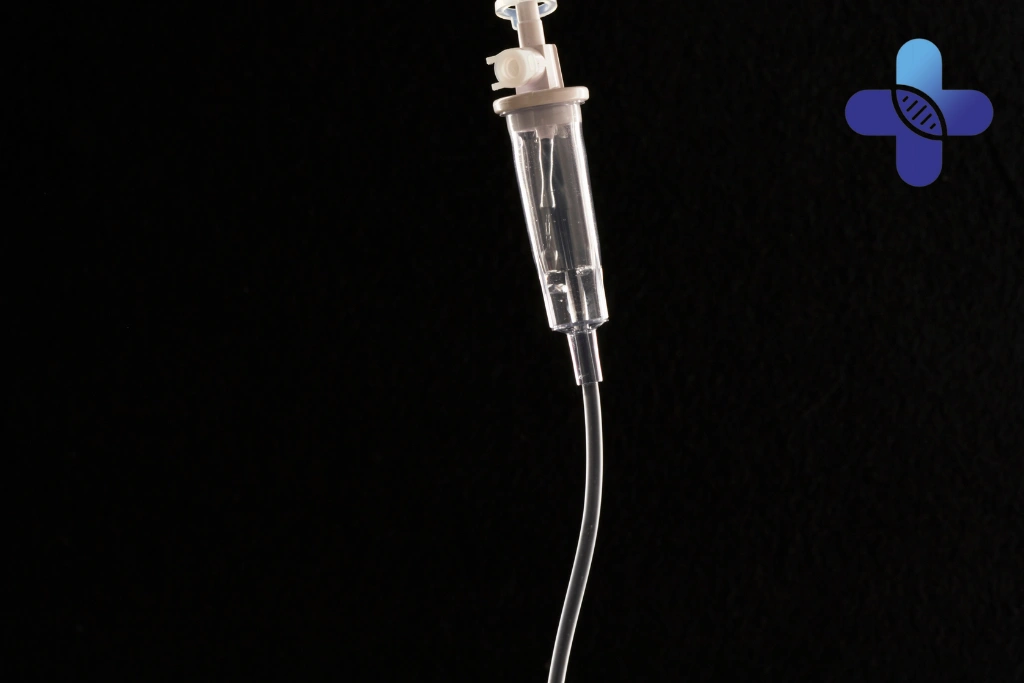
For suitable travelers, Immune Booster IV Drip Bali may be considered as supportive care for hydration and selected nutrient support. It should not be treated as a cure for infection, a replacement for meals, a guaranteed prevention method, or a substitute for medical evaluation.
As a Medical Clinic in Bali, Life Everyouth Bali can help assess whether supportive IV care is suitable based on symptoms, hydration status, appetite, medical history, and current condition.
Life Everyouth Bali provides Immune Booster IV Drip Bali at its Sanur and Jimbaran clinics, with home visit IV therapy options for hotels, villas, or private residences. The service page lists the Basic Immune Booster Package at IDR 400,000, the Premium Immune Booster Package at IDR 700,000, and the Super Immune Booster Package at IDR 725,000.
Travelers staying in areas such as Canggu, Ubud, Uluwatu, Seminyak, Kuta, Nusa Dua, or Denpasar may ask about home visit availability depending on condition, location, schedule, and medical suitability.
Conclusion – Foods That Can Support Your Immune System in Bali

If you are searching for foods that can support your immune system while traveling in Bali, focus on simple meals, safe fluids, cooked foods, careful food hygiene, and consistent recovery habits.
Food can support normal immune function, energy, digestion, and recovery. But it cannot replace sleep, hydration, rest, or medical guidance when symptoms are persistent or severe.
For suitable travelers, Immune Booster IV Drip Bali may be considered as supportive care through Life Everyouth Bali.
Frequently Asked Questions (FAQs) – Foods That Can Support Your Immune System in Bali
What foods can support your immune system while traveling in Bali?
Simple balanced meals can help, including cooked eggs, fish, chicken, tofu, tempeh, rice, soups, cooked vegetables, and fruits that can be safely washed or peeled. The goal is steady energy and easier digestion.
Can food prevent me from getting sick in Bali?
No food can guarantee illness prevention. Food can support energy, hydration, digestion, and normal immune function, but safer eating habits, hand hygiene, sleep, and hydration also matter.
What should I eat when I feel weak in Bali?
Choose simple foods that are easier to tolerate, such as rice, soup, eggs, broth, cooked vegetables, tofu, tempeh, chicken, or fish. Avoid heavy meals, alcohol, or very spicy food if digestion feels unsettled.
Are fruits good for immune support during travel?
Fruits can provide fluids, fiber, and nutrients, but choose them safely. CDC Travelers’ Health recommends eating raw fruits and vegetables only if washed in clean water or peeled.
Can dehydration make food-related fatigue worse?
Yes. Dehydration can make fatigue, headache, dizziness, weakness, and slow recovery feel worse. This is especially important after heat, sweating, diarrhea, vomiting, or alcohol.
What food safety habits should I follow in Bali?
Choose freshly cooked hot meals when possible, wash hands before eating, be cautious with buffet food, choose safe water, and eat raw fruits or vegetables only when washed safely or peeled.
Should I take vitamins while traveling in Bali?
Some travelers may use vitamins, but supplements should not replace meals, hydration, sleep, or medical evaluation. NIH notes that nutrients are discussed in immune function contexts, but they should not be treated as guaranteed illness prevention.
When should I seek medical help instead of changing my diet?
Seek medical guidance if symptoms include persistent fever, repeated vomiting or diarrhea, dehydration signs, severe weakness, chest pain, breathing difficulty, confusion, fainting, blood in stool, or worsening symptoms.
Can Immune Booster IV Drip Bali help if I have a low appetite?
For suitable travelers, Immune Booster IV Drip Bali may support hydration and selected nutrient needs when appetite is low or recovery feels slow. It should not replace meals or medical evaluation when symptoms are severe or unclear.
How much does Immune Booster IV Drip Bali cost at Life Everyouth Bali?
Life Everyouth Bali lists Immune Booster IV Drip Bali package pricing from IDR 400,000 to IDR 725,000, depending on whether the traveler chooses the Basic, Premium, or Super Immune Booster Package. Suitability should be reviewed based on the traveler’s condition.
