
Frequent illness during travel can feel confusing when symptoms improve, return, or overlap with fatigue, dehydration, fever, or digestive discomfort. If you are asking when should you seek medical help for frequent illness in Bali, it helps to understand broader recovery factors related to the Immune System in Bali, including hydration, sleep, food exposure, heat, and symptom severity.
When Should You Seek Medical Help for Frequent Illness in Bali? Warning Signs, Travel Recovery, and Supportive Care
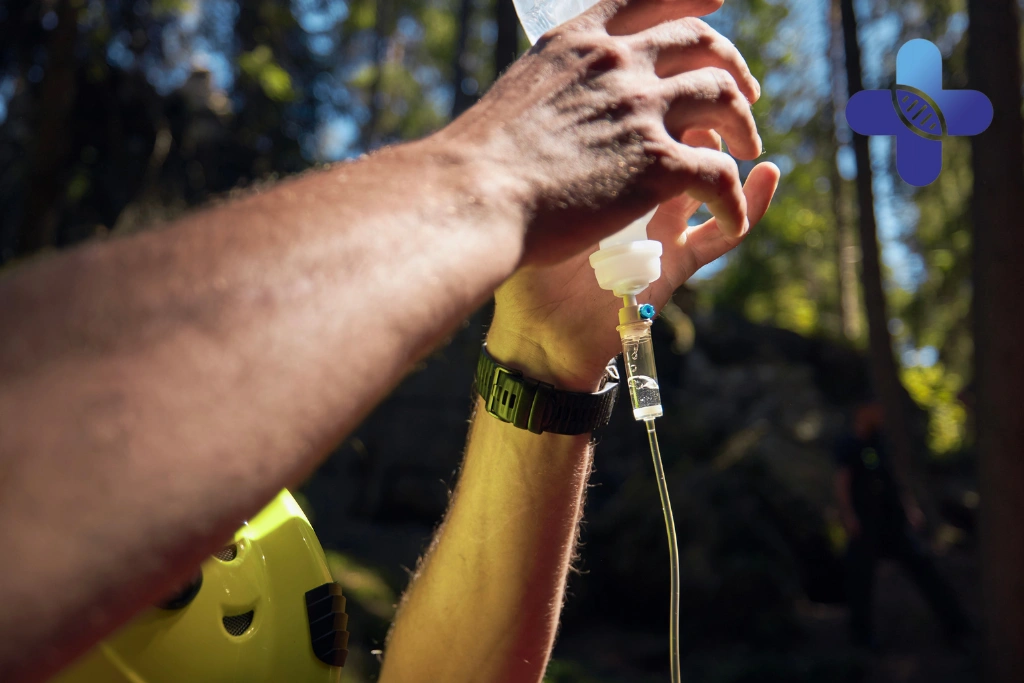
Getting sick once during travel can happen.
But when symptoms keep returning, last longer than expected, or feel stronger than usual, it becomes harder to know what to do next.
Many travelers search for medical help for frequent illness in Bali because they are unsure whether they should rest, drink more fluids, visit a clinic, or ask about home visit support.
The goal is not to panic. The goal is to read your symptoms clearly.
Frequent illness during a Bali trip may be related to poor sleep, dehydration, heat exposure, food or drink exposure, digestive symptoms, alcohol, stress, or incomplete recovery. But persistent, worsening, or unclear symptoms should not be dismissed as “just low immunity.”
Frequent Illness Should Be Judged by Pattern, Not Panic
Feeling unwell more than once does not automatically mean something serious is happening.
Travel can disrupt the basics your body depends on: sleep, hydration, regular meals, digestion, and rest. When several of these change at the same time, small symptoms may feel stronger.
A traveler may feel better in the morning, go out for a full-day tour, spend hours in heat, drink less water, eat late, then feel weak again at night.
That pattern may suggest the body needs more recovery time.
If repeated symptoms are the main issue, why do I keep getting sick in Bali can help explain how overlapping travel habits may affect recovery.
When Rest and Hydration May Be Enough
Mild symptoms may improve with simple recovery steps.
This can include sleeping earlier, drinking safe fluids, eating simple meals, avoiding alcohol, staying out of strong heat, and reducing activity for a day.
Rest and hydration may be enough when symptoms are mild, clearly improving, and not linked with warning signs such as persistent fever, repeated vomiting, severe weakness, confusion, chest pain, or breathing difficulty.
Improvement matters. If symptoms are not improving, keep returning, or feel difficult to understand, it is safer to seek medical guidance.
Symptoms That Need Medical Guidance
Some symptoms should not be managed by guessing.
CDC Yellow Book describes common illness patterns in returned travelers, including acute fever, respiratory illness, gastrointestinal illness, central nervous system concerns, dermatologic complaints, and eosinophilia. This supports careful evaluation when travel-related symptoms are persistent, worsening, or concerning.
Warning Signs to Watch For
Seek medical guidance if you experience:
- persistent or returning fever
- repeated vomiting or diarrhea
- signs of dehydration
- severe weakness that does not improve with rest and fluids
- fainting, confusion, or unusual drowsiness
- chest pain or breathing difficulty
- severe abdominal pain
- blood in stool or worsening digestive symptoms
- symptoms that keep getting worse
- symptoms in children, elderly travelers, pregnant travelers, or people with chronic illness
These signs do not confirm a specific diagnosis. They are reasons to contact a trusted Medical Clinic in Bali instead of assuming the issue is only fatigue, weather, or low immunity.
Fever, Diarrhea, and Dehydration Need Extra Attention
Fever that persists, returns, or comes with digestive symptoms should be taken seriously.
Diarrhea and vomiting can also lead to fluid and electrolyte loss. CDC Yellow Book explains that fluids and electrolytes are lost during travelers’ diarrhea, and that replenishment is important, especially for young children, older adults, and adults with chronic medical illness.
Dehydration can make weakness, headache, dizziness, fatigue, and slow recovery feel worse.
If your symptoms involve sweating, diarrhea, vomiting, alcohol, low urine output, or dizziness, how dehydration affects your immune system in Bali is the most relevant supporting topic.
Heat and Travel Fatigue Can Make Symptoms Harder to Read
Bali’s heat can make illness feel more intense.
After beach days, outdoor tours, surfing, hiking, scooter rides, or long walks, travelers may feel weak, nauseous, dizzy, or unusually tired.
CDC Travelers’ Health notes that heat exhaustion symptoms can include excessive thirst, heavy sweating, headache, dizziness or confusion, and nausea. CDC Yellow Book also describes heat-related symptoms such as nausea, vomiting, headache, muscle weakness, and lethargy.
This can make it hard to know whether you are dealing with heat stress, dehydration, infection, digestive illness, or simple travel fatigue.
If tiredness is your main symptom, always tired while traveling in Bali can help you understand how fatigue and recovery rhythm connect.
What to Prepare Before Contacting a Clinic
Before contacting a clinic or requesting medical support, it helps to organize your symptoms.
Details That Help Medical Staff Understand Your Situation
Prepare simple information such as:
- when symptoms started
- whether symptoms are improving, returning, or worsening
- fever temperature or fever pattern if known
- vomiting or diarrhea frequency
- fluid intake and urination pattern
- recent heat exposure, alcohol, food changes, or long travel days
- allergies, medications, pregnancy, chronic illness, or immune-related conditions
- current location and whether you can safely travel to a clinic
These details can help a Medical Clinic in Bali understand whether clinic evaluation, home visit support, hydration care, or further medical assessment may be more appropriate.
Clinic Visit, Home Visit, or Supportive Care?
A clinic visit may be suitable if you can safely travel and need direct medical evaluation.
Life Everyouth Bali lists clinic access in Sanur and Jimbaran for Immune Booster IV Drip Bali services, along with home visit IV therapy options for villas, hotels, or private residences.
A home visit may be considered when a traveler feels too weak to travel, is staying in a hotel or villa, or needs care at a private residence. Availability can depend on condition, location, schedule, and medical suitability.
Travelers staying in areas such as Canggu, Ubud, Uluwatu, Seminyak, Kuta, Nusa Dua, or Denpasar may ask about home visit availability, but it should not be assumed without confirmation.
Where Immune Booster IV Drip Bali May Fit
Some travelers feel weak, dehydrated, low on appetite, or slow to recover even after rest, fluids, and lighter activity.
For suitable travelers, Immune Booster IV Drip Bali may be considered as supportive care for hydration and selected nutrient support. It should not be treated as a cure for infection, a replacement for medical evaluation, or a guaranteed way to prevent illness.
As a Medical Clinic in Bali, Life Everyouth Bali can help assess whether supportive IV care is suitable based on symptoms, hydration status, medical history, and current condition.
Life Everyouth Bali lists the Basic Immune Booster Package at IDR 400,000, the Premium Immune Booster Package at IDR 700,000, and the Super Immune Booster Package at IDR 725,000, with clinic and home visit options described on its dedicated service page.
Conclusion – When Should You Seek Medical Help for Frequent Illness in Bali?

If you are searching for medical help for frequent illness in Bali, pay attention to pattern, severity, hydration, fever, digestion, and whether symptoms are improving or worsening.
Rest, safe fluids, simple meals, and lighter activity may help mild symptoms. But persistent fever, repeated vomiting or diarrhea, dehydration, severe weakness, confusion, chest pain, breathing difficulty, or worsening symptoms should be checked.
For suitable travelers, Immune Booster IV Drip Bali may be considered as supportive care through Life Everyouth Bali after symptoms and medical suitability are reviewed.
Frequently Asked Question (FAQs) – When Should You Seek Medical Help for Frequent Illness in Bali?
When should you seek medical help for frequent illness in Bali?
Seek medical help if symptoms persist, return, worsen, or include fever, repeated vomiting or diarrhea, dehydration signs, severe weakness, chest pain, breathing difficulty, fainting, confusion, or blood in stool.
Is frequent illness in Bali always caused by low immunity?
No. Frequent illness may relate to poor sleep, dehydration, heat, food exposure, alcohol, stress, digestive symptoms, or incomplete recovery. It does not always mean immune deficiency.
When should fever in Bali be checked?
Fever should be checked if it persists, returns, worsens, or appears with severe weakness, vomiting, diarrhea, dehydration, confusion, rash, breathing difficulty, or worsening symptoms.
When should diarrhea or vomiting need medical help?
Seek medical guidance if diarrhea or vomiting is repeated, severe, persistent, linked with fever, causing dehydration signs, or affecting children, elderly travelers, pregnant travelers, or people with chronic illness.
Can dehydration make frequent illness feel worse?
Yes. Dehydration can make fatigue, dizziness, headache, weakness, and slow recovery feel worse, especially after heat, sweating, diarrhea, vomiting, or alcohol.
Should I rest first or contact a clinic?
If symptoms are mild and clearly improving, rest, safe fluids, simple meals, and a lighter schedule may help. If symptoms persist, worsen, return, or include warning signs, contact a Medical Clinic in Bali.
Can Immune Booster IV Drip Bali help if I keep feeling weak?
For suitable travelers, Immune Booster IV Drip Bali may support hydration and selected nutrient needs. It should not replace medical evaluation when symptoms are severe, persistent, or unclear.
How much does Immune Booster IV Drip Bali cost at Life Everyouth Bali?
Life Everyouth Bali lists Immune Booster IV Drip Bali package pricing from IDR 400,000 to IDR 725,000, depending on whether the traveler chooses the Basic, Premium, or Super Immune Booster Package.
Does Life Everyouth Bali provide clinic and home visit options?
Yes. Life Everyouth Bali lists clinic access in Sanur and Jimbaran, with home visit IV therapy options for hotels, villas, or private residences depending on condition, location, schedule, and medical suitability.
When is IV drip not enough?
IV drip is not enough when symptoms include persistent fever, repeated vomiting or diarrhea, severe dehydration, confusion, chest pain, breathing difficulty, severe abdominal pain, blood in stool, fainting, or worsening symptoms.
