
A sudden ear pain after swimming in Sanur can make a relaxing beach day feel uncomfortable, especially when the ear feels blocked, itchy, or sensitive afterward. When symptoms continue, worsen, or affect hearing, guidance from a general practitioner in Sanur can help travelers decide whether the ear needs medical assessment.
Ear Pain After Swimming in Sanur: When It May Need a Doctor
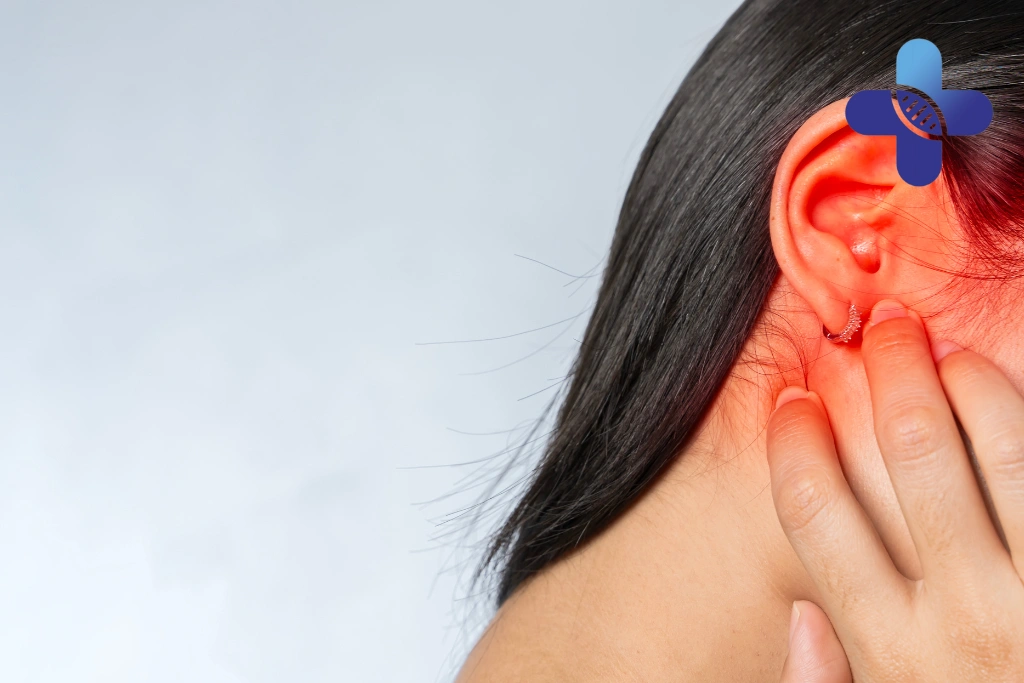
Swimming is one of the most common activities for travelers staying in Sanur. Calm beach areas, hotel pools, family-friendly resorts, and relaxed coastal routines make it easy to spend more time in the water than usual.
But after swimming, some travelers notice ear discomfort. The ear may feel full, blocked, itchy, painful, or harder to hear from. At first, it may seem like trapped water, but discomfort that continues can become worrying.
This guide explains ear pain after swimming in Sanur in a practical way. It helps tourists, expats, families, and long-stay visitors understand what may need monitoring, what may need a doctor, and what to prepare before a consultation.
Why Ear Pain Can Happen After Swimming
Ear discomfort after swimming may happen when water remains in the ear canal. This can make the ear feel blocked, irritated, or sensitive.
CDC explains that swimmer’s ear is an infection of the outer ear canal, and symptoms may include pain when the outer ear is tugged, itchiness inside the ear, drainage, redness, and swelling.
Mayo Clinic also notes that water left in the ear after swimming, humid weather, bacteria in water, and scratches from cotton swabs or fingernails may increase the risk of swimmer’s ear.
This does not mean every painful ear after swimming is an infection. Ear pain can have different causes, so travelers should avoid self-diagnosing and should seek medical advice if symptoms persist or worsen.
When Trapped Water Feels Different
A temporarily blocked feeling after swimming may improve on its own. Some people notice the sensation clears after the ear drains naturally.
However, discomfort that becomes more painful, itchy, swollen, or affects hearing may need closer attention. This is especially true if the pain continues after leaving the water and resting.
Symptoms Travelers Should Pay Attention To
Ear symptoms after swimming can vary. Some travelers feel mild pressure, while others notice pain when touching the outer ear or sleeping on one side.
NHS lists common ear infection symptoms such as earache, high temperature, difficulty hearing, discharge, pressure or fullness inside the ear, and itching or irritation around the ear.
For travelers in Sanur, these symptoms can feel more stressful because they are away from their usual doctor. A symptom that seems minor in the morning may become more disruptive by evening, especially when it affects sleep, swimming plans, or family travel.
Ear Pain With Hearing Changes
A blocked or muffled hearing sensation after swimming may happen when water or irritation affects the ear canal. If it improves quickly, it may not require urgent care.
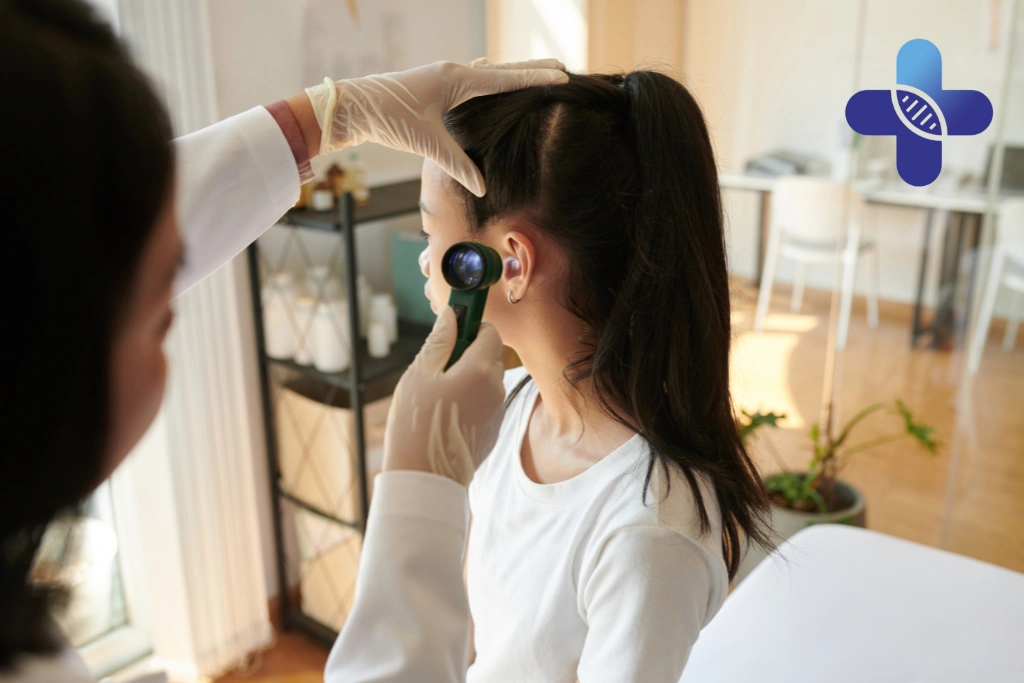
If hearing changes continue, appear with discharge, or become painful, a doctor can examine the ear canal and eardrum. Mayo Clinic explains that diagnosis may involve looking into the ear with a lighted tool called an otoscope and checking the ear canal and eardrum.
When Ear Pain After Swimming Should Be Checked
Not every ear discomfort after swimming needs a clinic visit. Mild symptoms that improve quickly may be monitored.
Medical guidance may be useful when ear pain lasts more than a short period, keeps getting worse, affects hearing, appears with discharge, or makes it difficult to sleep. Pain that becomes sharp, severe, or sensitive to touch should also be taken seriously.
Children, older travelers, and people with diabetes, reduced immunity, or existing ear problems may need earlier medical advice. Mayo Clinic notes that older age, diabetes, or a weakened immune system can increase the risk of rare but serious complications if an outer ear infection spreads deeper.
A GP can help assess whether the symptom may need treatment, monitoring, further examination, or referral.
What Not to Do When Your Ear Hurts
Many travelers try to fix ear discomfort by inserting cotton buds, fingers, or other objects into the ear. This can make irritation worse.
Mayo Clinic lists cleaning the ear canal with cotton swabs, hairpins, or fingernails as a risk factor because these can cause scratches or sores.
It is also better not to use unfamiliar ear drops without medical guidance, especially if there is discharge, strong pain, previous ear surgery, a known eardrum problem, or uncertainty about the cause.
Be Careful With Repeated Swimming
If the ear is painful, returning to swimming too soon may worsen irritation. Travelers who are unsure whether it is safe to swim again should ask a doctor, especially if symptoms are ongoing.
A consultation can help clarify whether the ear needs to stay dry, whether treatment is needed, and when normal activities may be resumed.
What a GP May Check During an Ear Consultation
A doctor may ask when the ear pain started, whether it began after swimming in the sea or pool, whether hearing changed, and whether there is itching, discharge, fever, dizziness, or previous ear problems.
The doctor may examine the ear using an otoscope. This allows the ear canal and eardrum to be checked more clearly. The goal is to understand whether the discomfort is mild irritation, wax-related blockage, outer ear inflammation, or another issue that needs different care.
A GP may provide medical advice, medication when appropriate, ear-care instructions, follow-up guidance, or referral if the condition needs further assessment.
Ear Pain While Staying Near Sanur Beach or a Hotel Pool
Travelers staying near Sanur Beach, Mertasari, Sindhu, or hotel pool areas may swim more often than they usually do at home. This repeated water exposure can make small ear symptoms more noticeable.
Sanur’s relaxed travel style can also make people delay care because they do not want to interrupt their trip. But ignoring worsening ear pain may make the rest of the stay less comfortable.
Life Everyouth Healthcare states that it operates in Sanur and Jimbaran, and its Sanur clinic serves nearby areas such as Mertasari Beach and Sindhu Beach.
Life Everyouth Bali can be introduced as a Medical Clinic in Bali for travelers and residents who need non-emergency medical consultation in the Sanur area.
Need Medical Guidance for Ear Pain After Swimming?
If ear discomfort is persistent, worsening, affecting hearing, or paired with discharge, fever, dizziness, or strong pain, medical consultation can help clarify the next step.
Life Everyouth Bali provides access to GP consultation for travelers and residents who need first-line medical guidance in Sanur. For service details, readers can continue to be a general practitioner in Bali.
A GP consultation may help assess the ear, review symptoms, provide treatment guidance when appropriate, and advise whether follow-up or referral is needed.
Conclusion – Ear Pain After Swimming in Sanur: When to See a Doctor

Ear pain after swimming in Sanur may start as a blocked or irritated feeling, but it should be watched if it becomes painful, persistent, or affects hearing. The cause is not always clear without an examination, especially when travelers are away from their usual doctor.
A GP can help check the ear canal, review symptoms, and guide whether monitoring, medication, follow-up, or referral may be appropriate. Getting advice early can help travelers avoid guesswork and continue their stay with clearer guidance.
For travelers who need professional support during their stay, general practitioner in Bali can be introduced as a practical next step through Life Everyouth Bali.
Frequently Asked Questions (FAQs) – Ear Pain After Swimming in Sanur: When to See a Doctor
Why does my ear hurt after swimming in Sanur?
Ear pain after swimming may happen when water remains in the ear canal, causing irritation or increasing the chance of outer ear inflammation. It may also be related to wax, skin irritation, or another ear condition, so persistent pain should be assessed.
Is ear pain after swimming always swimmer’s ear?
No. A swimmer’s ear is one possible cause, but not every earache after swimming is the same condition. A doctor may need to examine the ear to understand the cause and recommend the right next step.
When should I see a doctor for ear pain after swimming?
You should consider seeing a doctor if ear pain persists, worsens, affects hearing, appears with discharge, causes fever, or makes sleeping difficult. Children, older travelers, and people with diabetes or reduced immunity may need earlier medical advice.
Can I keep swimming if my ear hurts?
It may be better to avoid repeated swimming until the cause is clearer, especially if pain continues or worsens. A doctor can advise whether the ear should be kept dry and when swimming may be safe again.
Should I use cotton buds to remove water from my ear?
Avoid inserting cotton buds, fingers, or other objects into the ear canal. These can irritate the skin or cause small scratches, which may make symptoms worse.
Can a GP in Sanur check ear pain after swimming?
Yes. A GP can ask about symptoms, examine the ear, review whether hearing is affected, and advise whether treatment, monitoring, follow-up, or referral is needed.
Can Life Everyouth Bali help with ear pain in Sanur?
Life Everyouth Bali can be mentioned as a local healthcare option for travelers and residents who need GP consultation in the Sanur area. The service may help assess non-emergency ear symptoms and guide appropriate next steps.
Is doctor on call suitable for ear pain after swimming?
Doctor on call may be suitable for selected cases when a traveler feels too unwell to visit a clinic or is staying at a hotel, villa, or private residence. Suitability depends on condition, location, schedule, and availability.
Can an English-speaking doctor help tourists explain ear symptoms?
Many international travelers prefer English-speaking medical support because it can make it easier to explain symptoms, swimming history, previous ear problems, allergies, and medication use. Life Everyouth Bali or another Medical Clinic in Bali may help support clearer communication.
When is ear pain urgent?
Seek prompt medical attention if ear pain is severe, rapidly worsening, linked with high fever, dizziness, facial weakness, severe headache, swelling around the ear, or discharge from the ear. Urgent care may also be needed if the patient is very young, elderly, diabetic, or immunocompromised.
