
When concern about AIDS-related risk becomes more than a passing thought, many travelers want a private way to get checked without judgment. For broader context about immune decline, prevention, and testing, readers can refer to AIDS in Bali before choosing the most suitable screening option.
Where to Get Checked for AIDS-Related Risks in Bali
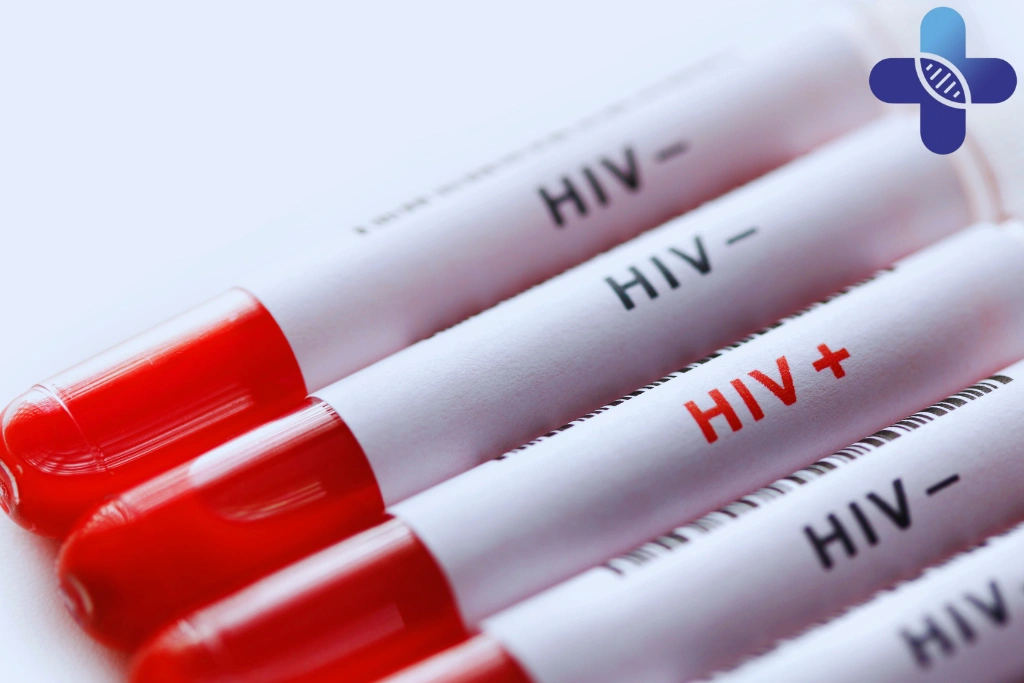
Searching for AIDS testing in Bali usually means someone wants clarity. They may have had possible exposure, delayed testing, symptoms, or anxiety about their sexual health status.
In practice, AIDS-related testing usually begins with HIV testing, STD screening, exposure history, and medical evaluation. AIDS itself cannot be confirmed from symptoms alone.
AIDS is the advanced stage of untreated HIV infection. WHO explains that HIV can be prevented and treated with antiretroviral therapy, while untreated HIV can progress to AIDS over time.
This article explains what testing may involve, when to consider it, and how travelers or expats in Bali can seek private support.
What Does Getting Checked for AIDS-Related Risk Mean?
There is no simple symptom-only “AIDS test.” AIDS-related concern is usually checked through HIV testing, symptom review, exposure history, and follow-up guidance.
A healthcare provider may ask when possible exposure happened, whether symptoms are present, and whether previous STD or HIV testing has been done.
Depending on the situation, broader STD screening may also be recommended. This can help check for infections that may occur after sexual exposure.
Testing does not mean someone has AIDS. It means they are choosing information over uncertainty.
Why HIV Testing Usually Comes First
HIV testing is usually central when someone is worried about AIDS-related risk.
HIV is the virus that attacks the immune system. Without treatment, HIV can lead to AIDS, but proper medical care can control the virus and help people live long, healthy lives.
AIDS is the advanced stage of untreated HIV infection. This is why an HIV test is often the first step when someone asks about AIDS testing in Bali.
If HIV is diagnosed or advanced disease is suspected, additional medical evaluation may be needed to understand immune health and next steps.
When Should You Consider Testing?
Testing may be useful after possible exposure, delayed screening, or symptoms that are hard to explain.
Testing May Be Worth Considering If
- You ha unprotected sex
- A condom broke or slipped
- You do not know your partner’s testing history
- You have had multiple or new partners
- You have symptoms that persist or recur
- You have not had STD testing in months or years
- You want clarity before starting a new relationship
These situations do not mean someone has AIDS. They mean HIV or STD screening may be appropriate.
If the concern is mainly about postponing screening, delayed STD testing in Bali AIDS can help explain why waiting can increase uncertainty.
What Tests May Be Recommended First?
The first test depends on exposure timing, symptoms, and medical history.
HIV testing is often recommended when AIDS-related concern is present. Other STD tests may also be considered depending on the type of exposure and symptoms.
Life Everyouth Bali lists STD testing packages that may include Anti-HIV Rapid Test, gonorrhoea, chlamydia, syphilis, trichomonas, candida, and other screening options depending on the package.
A provider can help decide whether the concern needs HIV testing only, broader STD screening, or additional evaluation.
For a deeper explanation of test types and timing, the related guide AIDS screening Bali may be useful.
Why Test Timing Matters
The timing of HIV testing matters because no HIV test can detect infection immediately after exposure.
CDC explains that different HIV tests have different window periods. NATs can usually detect HIV 10–33 days after exposure, lab antigen/antibody tests 18–45 days, rapid antigen/antibody tests 18–90 days, and antibody tests 23–90 days.
This means a negative test very soon after exposure may not always be final.
A healthcare provider may recommend repeat testing if the first test was done during the window period.
What If Symptoms Are Already Present?
Symptoms can raise concern, but they cannot confirm AIDS on their own.
Fever, night sweats, fatigue, swollen lymph nodes, weight loss, diarrhea, and recurring infections can have many causes. In Bali, these symptoms may also be linked to travel stress, digestive illness, dehydration, or other infections.
AIDS-related symptoms usually appear when the immune system has become severely weakened. Kemenkes Indonesia explains that AIDS is a condition where the immune system becomes very weak due to HIV infection.
If symptoms are persistent or recurring, medical evaluation is important. For symptom-focused guidance, AIDS warning signs in Bali may help explain which patterns should not be ignored.
Clinic Testing in Sanur and Jimbaran
Some travelers prefer clinic-based testing because it allows direct medical support.
For people staying near Sanur, STD testing in Sanur may be convenient. Sanur can be practical for visitors around East Denpasar, Sanur beach areas, or nearby long-stay accommodation.
For South Bali visitors, STD testing in Jimbaran may be easier to access. This can suit travelers staying around Jimbaran, Uluwatu, Nusa Dua, Ungasan, Pecatu, or resort areas.
Life Everyouth’s STD testing page states that confidential STD testing is available with same-day results for most STD testing services.
Home STD Testing for Private Accommodation
Some people prefer not to visit a clinic. Privacy, travel schedule, transport, or anxiety may make home testing more comfortable.
home STD testing Bali may be suitable for selected travelers staying in villas, hotels, or private residences.
Life Everyouth’s STD testing page states that Home Visit STD Test Bali services are available for privacy and convenience, with licensed doctors visiting a villa, hotel, or private residence.
Travelers in Canggu, Seminyak, Kuta, Uluwatu, Ubud, Sanur, or Jimbaran may ask whether home testing is available for their location.
What to Prepare Before Getting Tested
Preparing a few details can help the provider choose the right test and timing.
Helpful Information to Prepare
- Date of possible exposure
- Type of exposure
- Symptoms and when they started
- Previous HIV or STD test history
- Current medications
- Partner testing status if known
- Preference for clinic or home testing
This information can be shared privately. The goal is not judgment, but accurate guidance.
If exposure happened very recently, ask about urgent timing because some prevention or testing decisions may be time-sensitive.
What Happens After Testing?
A negative result may reduce concern, but timing still matters. If testing happened too soon after exposure, repeat testing may be advised.
A reactive or positive HIV screening result requires confirmatory testing. WHO notes that rapid diagnostic tests can support HIV diagnosis, but confirmatory testing is required after a reactive result.
If results suggest HIV or another STD, a provider can explain follow-up, treatment options, referrals, or further testing.
Testing is not the end of care. It is the beginning of clearer decision-making.
Need Private STD Testing in Bali?
If you are searching for AIDS testing in Bali because of possible exposure, symptoms, or delayed screening, private testing can help you stop guessing and understand the next appropriate step.
Life Everyouth Bali provides confidential STD testing in Bali for travelers, expats, and long-stay visitors, with clinic access in Sanur and Jimbaran and home testing options for selected Bali areas.
CTA Button: Book STD Testing Now
Conclusion – AIDS Testing in Bali: What to Expect

Getting checked for AIDS-related risk usually starts with HIV and STD testing. Symptoms alone cannot confirm AIDS.
Exposure history, test timing, symptoms, and medical evaluation all matter. A test taken too early may need follow-up, while a reactive result may need confirmation.
For travelers searching for AIDS testing in Bali, the safest step is not to rely on symptoms or assumptions. STD testing in Bali can help provide clarity and guide the next appropriate decision.
Frequently Asked Question (FAQ) – AIDS Testing in Bali: What to Expect
Is there a specific AIDS test?
AIDS-related evaluation usually begins with HIV testing, exposure history, symptom review, and medical assessment. AIDS cannot be confirmed from symptoms alone.
Is AIDS testing the same as HIV testing?
Not exactly. HIV is the virus, while AIDS is the advanced stage of untreated HIV infection. HIV testing is usually the first step when someone is concerned about AIDS-related risk.
Where can I get AIDS-related testing in Bali?
Travelers can seek a private clinic or sexual health provider offering HIV and STD screening. Life Everyouth Bali offers confidential STD testing in Bali with clinic and home visit options.
Should I test if I had unprotected sex but no symptoms?
Yes, testing may still be appropriate. Feeling healthy does not always confirm sexual health status.
How soon can HIV testing detect infection?
Detection depends on the test type. CDC explains that NATs usually detect HIV 10–33 days after exposure, lab antigen/antibody tests 18–45 days, rapid antigen/antibody tests 18–90 days, and antibody tests 23–90 days.
What if my HIV test is reactive?
A reactive result needs confirmatory testing and medical follow-up. WHO notes that confirmatory testing is required after a reactive screening result.
Can I get tested at my villa or hotel?
Yes, home STD testing Bali may be available for selected areas. Availability depends on location, testing needs, and provider arrangements.
What symptoms should make me seek medical guidance?
Persistent fever, night sweats, unexplained weight loss, chronic diarrhea, recurring infections, swollen lymph nodes, or unusual fatigue should be checked. Symptoms alone cannot diagnose AIDS.
Should I test if I have not had STD testing in years?
Testing may be appropriate after a long gap, especially if there has been possible exposure. A long gap does not mean AIDS, but it can create uncertainty.
When should I contact a Medical Clinic in Bali?
Contact a Medical Clinic in Bali if there has been possible exposure, persistent symptoms, delayed testing, or uncertainty about which test is appropriate. Medical guidance is especially important if symptoms are severe, recurring, or combined with weight loss, fever, or night sweats.
