
A swollen bite during a Sanur stay can feel confusing, especially when redness, itching, or discomfort changes after time outdoors. Understanding insect bite swelling in Sanur can help travelers decide when basic care may be enough and when speaking with a general practitioner in Sanur may be a safer next step.
Insect Bite Swelling in Sanur: When Travelers Should Seek Medical Advice
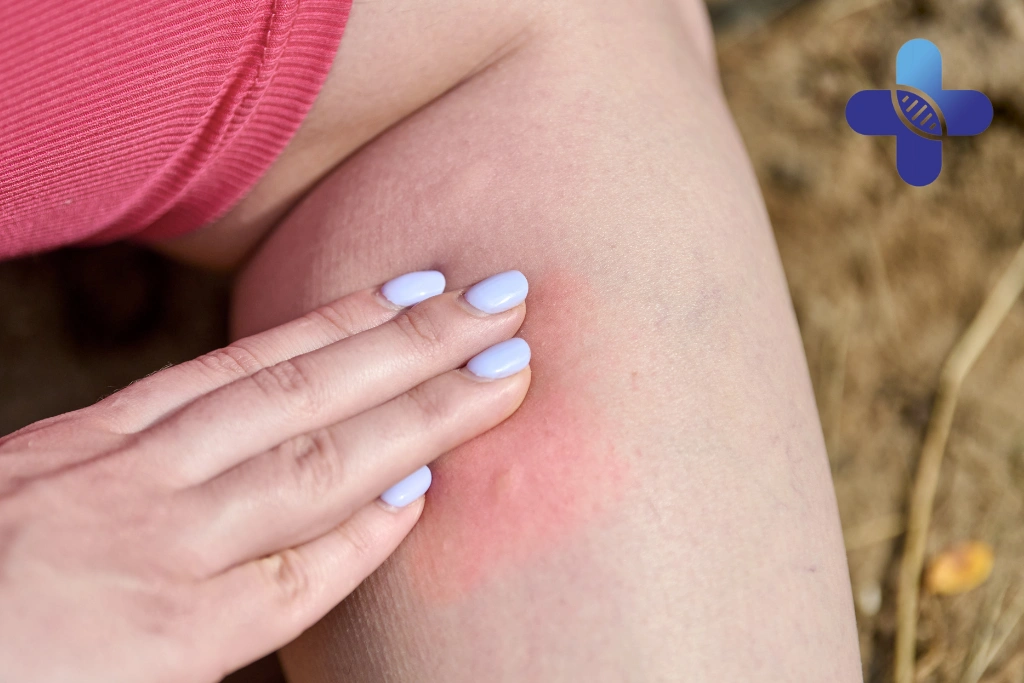
Outdoor time is part of the Sanur experience. Beach walks, sunset dinners, cycling, garden areas, and open-air cafés can all increase exposure to insects.
Most insect bites cause mild itching, redness, or swelling that improves with time. But some bites become more painful, spread, or appear with other symptoms. When this happens during travel, it can be hard to know whether to keep monitoring the bite or get medical guidance.
This article explains insect bite swelling in Sanur in a calm and practical way. It does not diagnose the cause of a bite, but it can help tourists, expats, families, and long-stay visitors understand when swelling may need attention.
Why Insect Bites Can Feel More Concerning During Travel
Insect bites may feel more stressful when they happen away from home. Travelers may not know what bit them, whether the reaction is normal, or where to seek medical care if swelling increases.
Sanur’s outdoor lifestyle means travelers may spend more time near beaches, gardens, restaurants, and shaded walking areas. WHO notes that travel health risks can vary depending on the traveler, destination, transit, and type of travel, so symptoms should be understood in context rather than ignored.
A bite that looks minor at first may become more noticeable after scratching, heat exposure, or continued outdoor activity. This does not automatically mean something serious, but changes over time are worth paying attention to.
Mild Swelling Versus a Changing Reaction
Mild swelling around a bite can be part of a local skin reaction. It may feel itchy, raised, or slightly warm.
The situation becomes more concerning when swelling expands, pain increases, redness spreads, or the skin starts to look infected. A traveler should also be more cautious if the bite is near the eye, face, fingers, or a joint, because swelling in these areas can interfere with normal movement or comfort.
Common Bite Reactions Travelers May Notice
A bite reaction may appear as a small bump, itchy patch, redness, warmth, tenderness, or localized swelling. Some travelers notice several bites after sitting outdoors or walking near vegetation.
CDC Yellow Book explains that skin and soft tissue problems are frequent medical concerns in returned travelers, and insect bite reactions are among the common dermatologic problems seen after travel.
The appearance of a bite alone does not confirm what caused it. Mosquitoes, ants, other insects, skin irritation, or scratching can create similar-looking reactions. This is why worsening swelling should not be self-diagnosed.
When Insect Bite Swelling Should Be Checked
A bite may need medical guidance when the swelling becomes larger, more painful, warmer, or more red over time. It may also need assessment if there is pus, blistering, fever, swollen lymph nodes, or increasing tenderness.
Travelers should also seek prompt help if swelling appears with breathing difficulty, dizziness, fainting, facial swelling, lip or tongue swelling, or a feeling of severe allergic reaction. These symptoms should not be managed as a routine bite concern.
For travelers staying near Sanur Beach, Mertasari, Sindhu, or the Danau Toba area, local medical access can make it easier to check a bite before it becomes more difficult to manage.
When Scratching Makes It Worse
Scratching can break the skin and may make irritation worse. When skin is broken, redness and discomfort can increase, and the area may become more vulnerable to infection.
A doctor may check whether the swelling looks like a local reaction, skin irritation, or something that needs treatment. The doctor may also ask whether the bite has changed, whether the traveler has allergies, and whether any medication has already been used.
For related skin concerns after outdoor activities, readers may also refer to skin rash after beach day in Sanur when that guide is available.
Mosquito Bites and Travel Awareness in Sanur
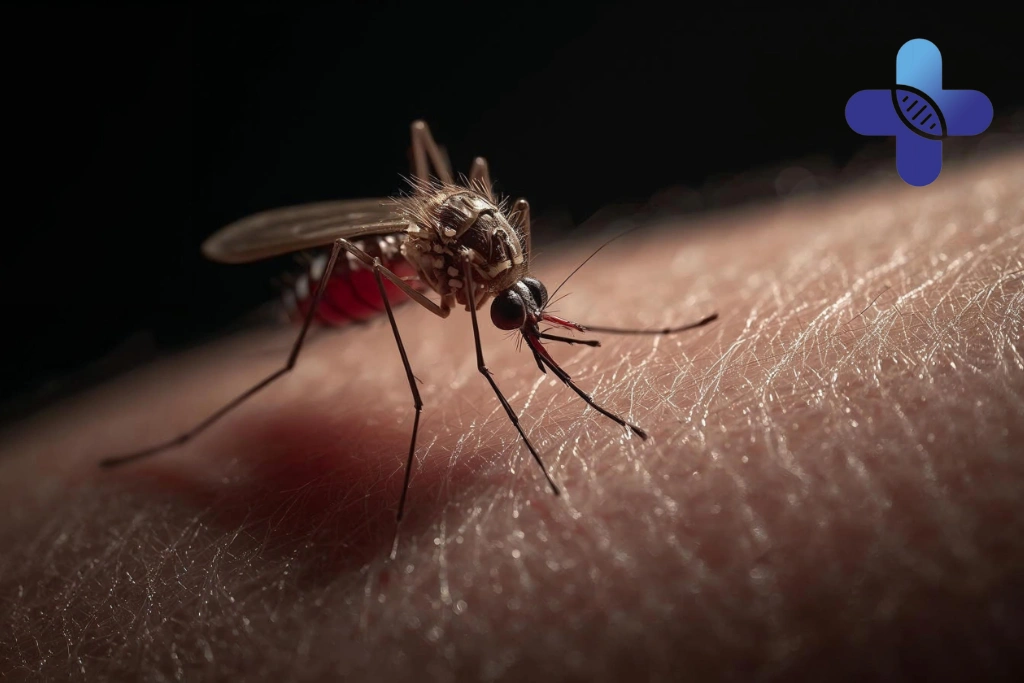
Mosquito bites are a common concern for travelers in tropical areas. A bite itself does not confirm illness, but fever, severe body aches, rash, unusual weakness, or symptoms that worsen after bites should be medically assessed.
CDC recommends preventing bug bites during travel by using appropriate insect repellent, wearing long sleeves and long pants when practical, and keeping mosquitoes out of rooms.
The article should avoid diagnosing dengue, malaria, chikungunya, or any infection from a bite alone. The safer message is that bite-related symptoms should be evaluated based on the full clinical picture, not assumptions.
Animal Bites Are Different From Insect Bites
Insect bites and animal bites should not be treated the same way. A mosquito or ant bite may cause local skin swelling, but a bite or scratch from a dog, cat, monkey, bat, or unfamiliar animal has different medical risks.
CDC advises travelers in Indonesia to seek immediate medical attention after being bitten, scratched, or licked by a wild or unfamiliar animal because of rabies risk.
This matters in Sanur because travelers may encounter animals during walks, outdoor dining, temple visits, or day trips. Any animal bite or scratch should be handled promptly, even if the wound looks small.
What a Doctor May Check During Consultation
During a consultation, a GP may ask when the bite happened, where it happened, how the swelling changed, and whether there are other symptoms such as fever, pain, rash, or dizziness.
The doctor may examine the bite area, check for spreading redness, assess whether the skin is broken, and ask about allergies or previous reactions. If the bite is near the eye, face, hand, or joint, the doctor may also consider how swelling affects function.
Depending on the assessment, the GP may suggest observation, medication guidance, wound care advice, follow-up, or referral. For broader consultation guidance, readers can refer to medical consultation in Sanur when available.
Seeing a Doctor in Sanur for Bite Swelling
A doctor visit may be helpful when the bite is not improving, when swelling changes quickly, or when the traveler is unsure whether the reaction is normal. This is especially important for children, elderly travelers, pregnant travelers, and people with diabetes, immune conditions, or medication concerns.
Life Everyouth Bali can be introduced as a Medical Clinic in Bali for travelers and residents seeking non-emergency medical consultation in Sanur. Life Everyouth states that it provides healthcare services delivered by licensed medical professionals, including doctor on call and other medical services in Bali.
The article should remain informational. A GP consultation may help assess the bite, but it should not be framed as a guaranteed cure or a replacement for urgent care when severe allergic symptoms or animal exposure are present.
Need Medical Guidance for Insect Bite Swelling in Sanur?
If bite swelling is spreading, painful, warm, persistent, or paired with fever, rash, dizziness, or other concerning symptoms, medical consultation can help clarify the next step.
Life Everyouth Bali provides access to GP consultation for travelers and residents who need first-line medical guidance in Sanur. For service details, readers can continue to be a general practitioner in Bali.
A GP consultation may help assess the bite reaction, review symptoms, provide medical advice, and guide whether treatment, follow-up, or referral may be needed.
Conclusion – Insect Bite Swelling in Sanur: When to See a Doctor

A swollen insect bite during a Sanur stay is often mild, but it should be watched carefully when it changes, spreads, becomes painful, or appears with other symptoms. Travelers should avoid assuming the cause of the bite without medical assessment.
Understanding insect bite swelling in Sanur can help visitors respond more calmly and safely. Mild reactions may improve with basic care, but worsening swelling, signs of infection, severe allergic symptoms, or animal bites should not be ignored.
For travelers who need professional support during their stay, general practitioner in Bali can be introduced as a practical next step through Life Everyouth Bali.
Frequently Asked Questions (FAQs) – Insect Bite Swelling in Sanur: When to See a Doctor
Is insect bite swelling in Sanur usually serious?
Many insect bite reactions are mild and may improve over time. However, swelling that spreads, becomes painful, feels hot, produces pus, or appears with fever or severe weakness should be checked by a medical professional.
When should I see a doctor for a swollen insect bite?
You should consider medical guidance if swelling increases, redness spreads, pain worsens, the bite becomes warm, fluid or pus appears, or symptoms do not improve. A doctor can assess whether treatment or follow-up is needed.
Can scratching an insect bite make swelling worse?
Yes. Scratching can irritate the skin and may break the skin surface. When the skin is broken, redness, tenderness, and infection risk may increase, so worsening symptoms should be assessed.
Should I worry about mosquito bites in Sanur?
Mosquito bites are common in tropical travel settings. A bite alone does not confirm illness, but fever, rash, severe body aches, unusual weakness, or symptoms that worsen after bites should be medically evaluated.
What symptoms after an insect bite need urgent care?
Urgent care may be needed if swelling appears with breathing difficulty, fainting, dizziness, facial swelling, lip or tongue swelling, chest tightness, confusion, or rapidly worsening symptoms. These may suggest a severe reaction and should not be delayed.
Are animal bites treated the same as insect bites?
No. Animal bites or scratches are different from insect bites and may require urgent medical attention. In Indonesia, CDC advises immediate medical care after bites, scratches, or licks from wild or unfamiliar animals because of rabies risk.
Can a GP in Sanur help with bite swelling?
Yes. A GP can examine the bite area, review symptoms, ask about allergy history, and guide whether observation, medication, wound care, follow-up, or referral may be appropriate.
Can Life Everyouth Bali help with insect bite concerns in Sanur?
Life Everyouth Bali can be mentioned as a local healthcare option for travelers and residents who need GP consultation in the Sanur area. The service may help assess non-emergency bite swelling and guide appropriate next steps.
Is doctor on call suitable for insect bite swelling?
Doctor on call may be suitable for selected cases when a traveler feels too uncomfortable to leave a hotel, villa, or private residence. Suitability depends on the patient’s condition, location, schedule, and availability.
Can an English-speaking doctor help tourists explain bite symptoms?
Many travelers prefer English-speaking medical support because it can help them explain when the bite happened, how swelling changed, what symptoms appeared, and whether they have allergies or medication concerns. Life Everyouth Bali or another Medical Clinic in Bali may help support clearer communication.
