
A small cut, scrape, or blister can feel minor at first, but minor wound care in Sanur becomes more important when pain, redness, swelling, or irritation changes during travel. When a wound is not healing as expected, guidance from a general practitioner in Sanur can help travelers decide whether cleaning, monitoring, treatment, or further care may be needed.
Minor Wound Care in Sanur: When Travelers Need Medical Attention
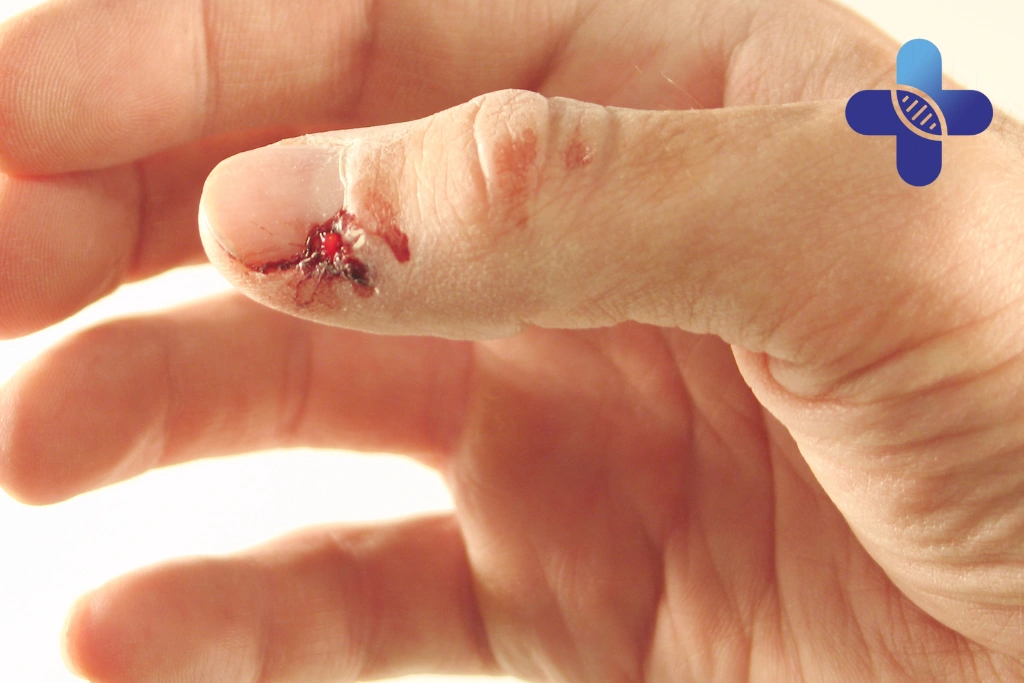
Small wounds can happen easily during a Sanur stay. A traveler may scrape a foot near the beach, develop a blister after walking, get a small cut during outdoor activities, or notice skin irritation after swimming.
At first, these injuries may not seem serious. But when someone is away from their usual doctor, even a minor wound can raise questions. Should it be cleaned and monitored, or should it be checked by a medical professional?
This guide explains minor wound care in Sanur in a practical way for tourists, expats, families, and long-stay visitors. It does not replace direct medical advice, but it can help travelers understand when a wound may need closer attention.
Why Minor Wounds Can Feel More Concerning During Travel
Travel changes the setting around everyday injuries. A small wound at home may feel easy to manage, but a wound during a trip can feel more uncertain because of heat, humidity, walking, swimming, sand, and unfamiliar surroundings.
WHO explains that travel-related health risks can vary depending on the traveler’s health profile, destination, transit, and type of travel. This means even simple health concerns should be understood in context during a trip.
For travelers staying near Sanur Beach, Mertasari, Sindhu, or nearby villas and hotels, a small wound may be exposed to more friction, moisture, or outdoor activity than usual. This can make monitoring more important.
When the Setting Matters
A scrape after walking barefoot, a blister after long walks, or a small cut after cycling may seem manageable. Still, the travel setting can affect how comfortable and clean the wound remains.
If the wound becomes harder to protect, more painful, or repeatedly irritated, it may be worth asking a doctor whether additional care is needed.
Common Minor Wounds Travelers May Notice in Sanur
Travelers in Sanur may notice small cuts, scrapes, blisters, scratches, shallow wounds, or irritation around the feet, legs, hands, or arms. These can happen after beach walks, swimming, sandals rubbing the skin, cycling, walking on uneven paths, or casual outdoor activities.
Most minor wounds are not emergencies. However, they should be watched carefully if they change over time.
CDC wound guidance notes that clean and minor wounds generally do not pose a major tetanus risk, while dirty or major wounds have higher risk and need more careful assessment.
A traveler should not assume every wound is harmless simply because it looks small. The wound’s cause, cleanliness, depth, location, and the person’s health history can all matter.
When a Small Wound May Need Medical Attention
A small wound may need medical guidance when it becomes more painful, red, warm, swollen, or starts producing discharge. A wound that does not improve, keeps reopening, or makes walking difficult should also be checked.
Travelers with diabetes, reduced immunity, circulation problems, pregnancy, or other medical conditions should be more cautious. For children and older travelers, wounds may also need closer monitoring because symptoms can sometimes be harder to judge.
CDC clinical guidance for tetanus care emphasizes that healthcare providers should clean wounds, remove foreign material when needed, observe for signs of infection, and treat infected wounds promptly.
Pain, Redness, or Swelling That Changes
Some soreness after a scrape or blister can be normal. But pain that gets worse instead of better deserves attention.
Redness that spreads, swelling that increases, skin that feels hot, or a wound that becomes tender may suggest the wound needs assessment. A doctor can check whether basic care is enough or whether treatment, dressing, follow-up, or referral is needed.
Beach, Sand, and Water Exposure
Sanur’s beach environment is part of the experience, but it can also make wound care more complicated. Sand, sea water, wet sandals, and repeated walking may irritate a small cut or blister.
This does not mean beach exposure automatically causes a problem. It means travelers should keep wounds protected and watch for changes.
A wound that becomes painful after swimming, looks dirty, or is difficult to clean should be taken more seriously. Travelers may also want to avoid continuing activities that repeatedly reopen or irritate the wound until it has been assessed.
For broader context on beach-related symptoms, readers can refer to health concerns after beach activities in Sanur when they want a wider guide beyond wound care.
Animal Bites, Scratches, and Unfamiliar Contact

Animal bites and scratches are different from ordinary minor wounds. Even if the mark looks small, animal exposure should be treated more seriously.
CDC advises travelers in Indonesia to seek immediate medical attention after being bitten, scratched, or licked by a wild or unfamiliar animal because rabies can be fatal if not treated before symptoms appear.
This can include contact with unfamiliar dogs, cats, monkeys, bats, or other animals. Travelers should not wait to see whether the wound looks severe.
Why Small Animal Scratches Still Matter
A scratch from an unfamiliar animal may not bleed much, but it can still require medical attention. The concern is not only the skin wound itself, but also possible exposure risk.
A doctor can assess the situation, clean the wound properly, review vaccination history, and advise the safest next step.
What a Doctor May Check During a Wound Consultation
During a wound consultation, a doctor may ask how the wound happened, when it occurred, whether it was exposed to sand, water, soil, or animals, and whether pain or redness has changed.
The doctor may also ask about tetanus vaccination history, allergies, existing medical conditions, medication use, and whether the traveler has symptoms such as fever or increasing weakness.
A physical examination may include checking the wound depth, surrounding skin, tenderness, swelling, discharge, movement, and whether any foreign material may be present. The doctor may then recommend cleaning, dressing, medication when appropriate, follow-up care, or referral if needed.
This type of visit can also help travelers understand whether they should limit swimming, walking, or other activities while the wound heals.
Minor Wound Care with Life Everyouth Bali in Sanur
For travelers and residents staying around Sanur, Life Everyouth Bali can be introduced as a local healthcare option for wound assessment and GP consultation. Life Everyouth lists its Sanur clinic at Jl. Danau Toba No.10b, Sanur, Denpasar Selatan, Kota Denpasar, Bali.
A GP consultation may help assess whether a wound needs cleaning, dressing, medication guidance, follow-up, or referral. This is especially helpful when the wound is painful, changing, difficult to clean, or related to animal exposure.
The article should remain educational. A doctor visit should not be framed as necessary for every small scrape, but as a useful option when the wound is uncertain, worsening, or not healing as expected.
Need Medical Guidance for a Minor Wound in Sanur?
If a cut, scrape, blister, or scratch becomes more painful, swollen, red, warm, difficult to clean, or slow to improve, medical consultation can help clarify the next step.
Life Everyouth Bali provides access to GP consultation for travelers and residents who need first-line medical guidance in Sanur. For service details, readers can continue to be a general practitioner in Bali.
A GP consultation may help with wound assessment, dressing advice, medication guidance when appropriate, tetanus history review, follow-up planning, or referral if further care is needed.
Conclusion – Minor Wound Care in Sanur: When to See a Doctor
Minor wounds are common during travel, especially after walking, beach activities, swimming, cycling, or outdoor movement around Sanur. Many small cuts, scrapes, and blisters improve with careful monitoring, but changes in pain, redness, swelling, warmth, or discharge should not be ignored.
Understanding minor wound care in Sanur can help travelers respond calmly without dismissing symptoms that may need attention. Animal bites and scratches should be treated more urgently, even when the mark appears small.
For travelers who need professional support during their stay, general practitioner in Bali can be introduced as a practical next step through Life Everyouth Bali.
Frequently Asked Questions (FAQs) – Minor Wound Care in Sanur: When to See a Doctor
What types of minor wounds can happen during a Sanur stay?
Travelers may experience small cuts, scrapes, blisters, scratches, shallow wounds, or foot irritation after walking, swimming, cycling, beach activities, or wearing sandals for long periods.
When should a minor wound be checked by a doctor?
A minor wound should be checked if it becomes more painful, red, swollen, warm, produces discharge, keeps reopening, or does not improve as expected. Medical guidance is also important for wounds in travelers with diabetes, reduced immunity, or circulation problems.
Is a small wound after the beach dangerous?
Not always. Many small wounds are mild, but beach exposure can make them harder to keep clean. If a wound becomes painful, dirty, irritated, or slow to heal after sand or water exposure, it may need medical assessment.
Should I see a doctor for a blister in Sanur?
A simple blister may improve with protection and reduced friction. A doctor may be helpful if the blister is very painful, infected-looking, keeps reopening, or makes walking difficult.
Do animal scratches need medical attention in Bali?
Yes. CDC advises travelers in Indonesia to seek immediate medical attention after bites, scratches, or licks from wild or unfamiliar animals because of rabies risk. This applies even if the wound looks small.
Can a GP help with wound cleaning or dressing?
Yes. A GP can assess the wound, clean it when appropriate, review whether dressing or medication is needed, and advise whether follow-up care or referral may be necessary.
Can Life Everyouth Bali help with minor wound care in Sanur?
Life Everyouth Bali can be mentioned as a local healthcare option for travelers and residents who need GP consultation for minor wounds in the Sanur area. The consultation may help clarify whether basic care, treatment, or follow-up is needed.
Should I keep swimming if I have a small cut?
It depends on the wound and the situation. If the cut is open, painful, dirty, or difficult to protect, it may be safer to avoid swimming until a medical professional gives guidance.
What should I prepare before seeing a doctor for a wound?
Prepare information about when and how the wound happened, whether it was exposed to sand, water, soil, or animals, your tetanus vaccination history if known, allergies, medication use, and any changes in pain, redness, or swelling.
When is urgent care needed for a wound?
Urgent care may be needed for deep wounds, heavy bleeding, severe pain, rapidly spreading redness, signs of serious infection, difficulty moving the affected area, animal bites or scratches, or wounds with possible foreign material inside.
