
Traveling to new destinations often means trying unfamiliar food and adapting to different hygiene standards. In some situations, digestive symptoms that develop during travel may be associated with conditions discussed in typhoid in Bali, especially when food and water safety are not carefully managed.
How to Prevent Foodborne Infections While Traveling in Bali
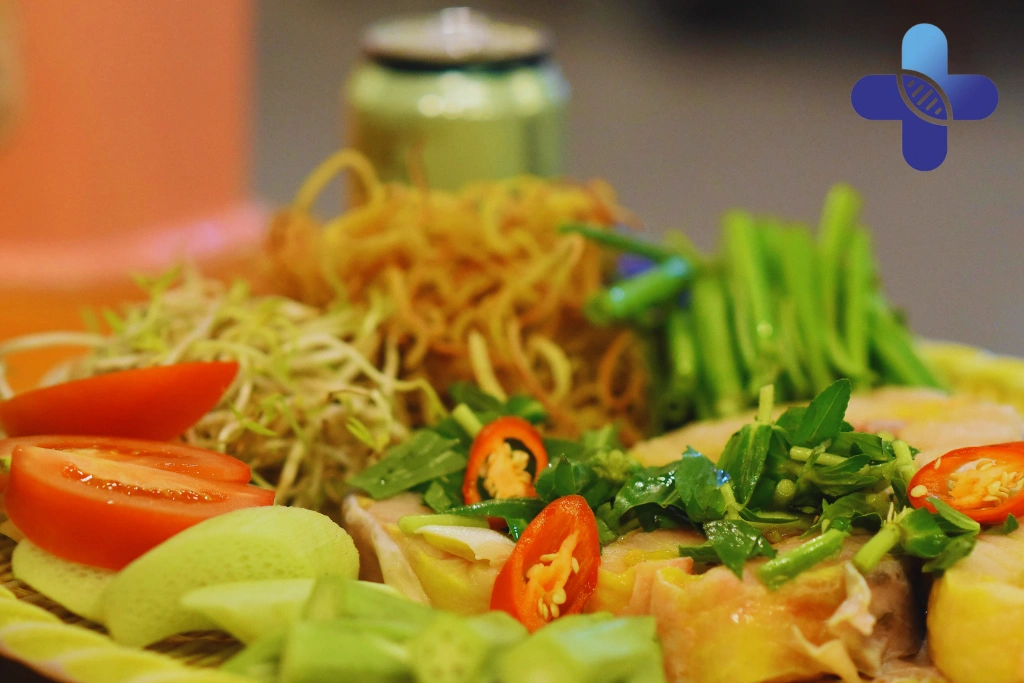
Maintaining good health during your trip is essential, especially when it comes to food and water consumption. Knowing how to prevent foodborne infections in Bali can help travelers avoid digestive discomfort that may disrupt their plans.
With the right awareness and habits, visitors can enjoy Bali’s diverse culinary experiences—from Sanur cafés to Jimbaran seafood spots—while minimizing potential health risks.
Why Foodborne Infections Can Occur During Travel
Travel exposes individuals to new environments, including unfamiliar bacteria and food preparation practices. The body may not be fully adapted to these changes, making it more sensitive to contamination.
Differences in hygiene standards, food handling, and water sources can increase the likelihood of digestive infection in travelers. Even simple changes, such as trying new dishes or eating in different settings, can influence how the body responds during travel in Bali.
Choosing Safe Food Options in Bali
Selecting where and what to eat plays a major role in reducing risk. Not all food carries the same level of exposure, and small choices can make a significant difference.
In areas like Sanur or Ubud, where dining options range from street food to established restaurants, it helps to observe how food is prepared. Freshly cooked meals that are served hot are generally considered safer than food that has been sitting for a long time.
Being mindful of safe eating habits in Bali allows travelers to explore local cuisine while maintaining a balanced approach to health.
Water Safety Tips Travelers Should Follow
Water is another important factor that is sometimes overlooked during travel. Contaminated water can contribute to foodborne infections even when food appears safe.
Travelers are often advised to rely on bottled or properly treated water for drinking and brushing teeth. Ice in drinks may also be a consideration if the source of water is unclear.
Paying attention to water sources is an essential part of travel health prevention, particularly in tropical destinations like Bali.
Importance of Hygiene During Travel
Personal hygiene plays a key role in reducing exposure to harmful microorganisms. Simple habits can significantly lower the risk of infection.
Hygiene Practices That Support Safer Travel
- Washing hands before meals
- Using hand sanitizer when washing is not possible
- Avoiding touching food with unclean hands
Maintaining good hygiene during travel is one of the most effective ways to support overall health while exploring Bali.
Foods and Situations to Be More Careful With

Certain foods and dining situations may carry a higher risk, especially when hygiene practices are uncertain.
Food that is undercooked, stored for extended periods, or exposed to the environment may increase the likelihood of contamination. Buffet-style meals and some street food settings may require extra attention, depending on how food is handled.
Understanding these situations helps travelers make more informed decisions without needing to avoid local food experiences entirely.
What to Do If You Start Experiencing Symptoms
Even with preventive efforts, some travelers may still experience mild digestive symptoms. Early awareness can help manage the situation more effectively.
Initial Steps That May Help
- Stay well hydrated
- Get adequate rest
- Monitor symptoms over time
- Avoid foods that may worsen the condition
If symptoms persist, visiting a Medical Clinic in Bali may help provide a clearer assessment. Providers such as Life Everyouth Bali or other Bali Medical Clinic services can assist travelers in understanding whether symptoms require further attention.
Why Early Awareness Helps Prevent More Serious Conditions
Recognizing symptoms early allows travelers to respond before conditions become more serious. While many cases are mild, some infections may develop further if left unaddressed.
Being aware of how symptoms evolve is especially important when considering broader conditions discussed in typhoid in Bali, where persistent symptoms may require closer evaluation.
Timely awareness and appropriate response play a key role in maintaining a safe and enjoyable travel experience in Bali.
Travelers who begin to experience digestive symptoms despite preventive efforts may consider accessing medical support such as Doctor On Call in Bali for convenient evaluation and guidance directly at their accommodation.
This approach can help determine whether symptoms are mild or require further medical attention during your stay in Bali.
Conclusion – Prevent Foodborne Infections in Bali: Travel Tips

Preventing foodborne infections in Bali is an important part of staying healthy while traveling. By practicing safe eating habits, paying attention to water sources, and maintaining good hygiene, travelers can reduce their risk and enjoy their time in Bali more comfortably.
Frequently Asked Question (FAQ) – Prevent Foodborne Infections in Bali: Travel Tips
How can travelers prevent foodborne infections in Bali?
By choosing clean dining places, eating freshly prepared food, and maintaining good hygiene habits.
Is street food safe to eat in Bali?
It can be safe if travelers choose vendors carefully and observe food handling practices.
What foods should travelers avoid in Bali?
Undercooked food, improperly stored meals, and items exposed to unsafe environments may carry higher risk.
Is tap water safe for drinking in Bali?
Tap water is generally not recommended for direct consumption, and bottled water is usually preferred.
Can bottled water prevent infections?
Using bottled or treated water may help reduce the risk compared to untreated sources.
How important is hand hygiene during travel?
Hand hygiene plays a significant role in preventing exposure to harmful microorganisms.
What are early symptoms of foodborne infections?
Common symptoms include diarrhea, nausea, abdominal discomfort, and fatigue.
What should travelers do if symptoms appear?
They should rest, stay hydrated, and monitor symptoms. If symptoms persist, medical evaluation may be considered.
When should travelers seek medical care in Bali?
If symptoms worsen or do not improve, services such as Life Everyouth Bali or other Medical Clinic Bali providers may assist with evaluation.
Can Doctor On Call services help with digestive symptoms?
Yes, Doctor On Call services provided by Bali Medical Clinic or other Medical Clinic in Bali providers can help assess symptoms and guide appropriate care.
