
Small insect bites can cause intense itching, redness, and swelling during a coastal stay. When the reaction spreads, becomes painful, or does not improve, an assessment from a general practitioner in Jimbaran can help determine whether treatment is needed.
Sand Flies and Swelling in Jimbaran
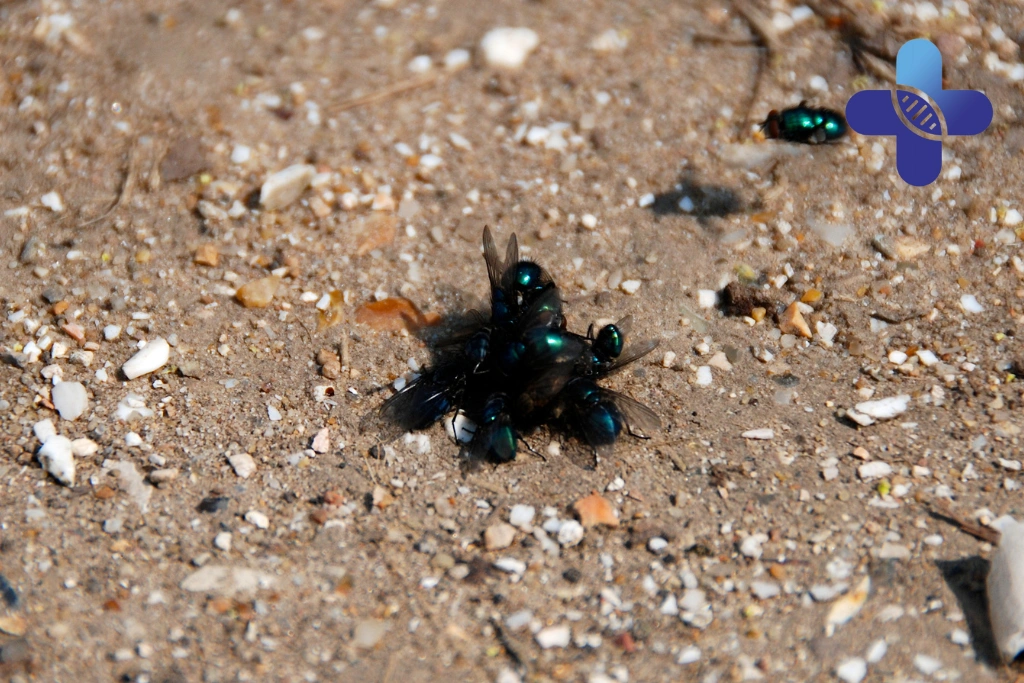
Small biting insects may be present around beaches, gardens, outdoor dining areas, and accommodation near the coast.
Their bites can leave clusters of itchy bumps on exposed skin, particularly around the ankles, legs, arms, and feet. Some travelers develop only mild irritation, while others experience more noticeable swelling.
The exact insect cannot always be identified from the appearance of a bite alone. Mosquitoes, midges, fleas, ants, and other insects can produce similar skin reactions.
Most uncomplicated bites gradually settle with basic care. Medical assessment may be needed when swelling continues to increase, the skin shows signs of infection, or the traveler feels generally unwell.
Why Insect Bites Can Become Swollen
Swelling develops when the immune system reacts to substances introduced during a bite.
A small raised bump, redness, and itching are common local responses. Some people develop a larger area of inflammation, especially after multiple bites or when they are more sensitive to insect saliva.
Children can sometimes experience more noticeable reactions than adults. Large areas of swelling, hive-like skin changes, or swelling near the eyes may indicate a stronger response.
Scratching can damage the surface of the skin. This creates an opportunity for bacteria to enter and may lead to increasing redness, warmth, pain, or discharge.
What to Do After Suspected Sand Fly Bites
Wash the affected skin gently with soap and clean water. Pat the area dry rather than rubbing it.
A cool compress may reduce itching and swelling. Wrap the cool pack in a clean cloth rather than placing ice directly on the skin.
Steps That May Reduce Irritation
- Avoid scratching or picking the bites
- Keep the affected skin clean
- Apply a cool compress for short periods
- Wear loose clothing over irritated areas
- Avoid strongly fragranced skin products
- Monitor whether redness or swelling is spreading
A pharmacist or doctor may recommend an antihistamine or suitable topical treatment after considering the patient’s age, allergies, pregnancy status, medical conditions, and current medication.
Travelers should avoid applying unknown herbal products, harsh chemicals, toothpaste, or other unverified remedies to broken skin.
When Swelling Needs Medical Assessment
A medical examination may be appropriate when the reaction becomes larger, more painful, or progressively worse.
A GP can examine the skin, assess whether the reaction appears allergic or infected, and recommend appropriate treatment. The doctor may also review other symptoms and determine whether a different condition could be responsible.
Seek medical advice when:
- Swelling continues to expand
- The area becomes increasingly painful or warm
- Pus or fluid appears
- Red streaks extend from the bite
- The traveler develops fever or feels unwell
- The reaction affects a large area
- Symptoms do not begin to improve
- The patient has diabetes or reduced immunity
An infected insect bite may become warm and red, and a spreading red streak can be a warning sign. Worsening symptoms should be evaluated by a healthcare professional.
Swelling close to the eyelids can be especially uncomfortable. Travelers experiencing redness, pain, discharge, light sensitivity, or visual changes should also review guidance about eye irritation in Jimbaran.
When an Insect Bite Becomes an Emergency

Most local bite reactions are uncomfortable rather than dangerous. However, a severe allergic reaction can develop rapidly.
Warning Signs That Require Urgent Care
- Swelling of the lips, tongue, mouth, or throat
- Difficulty breathing or wheezing
- Difficulty swallowing
- Fainting or collapse
- Sudden confusion or extreme drowsiness
- Widespread raised or swollen rash
- Rapidly worsening facial swelling
- Blue, grey, or unusually pale lips or skin
These symptoms may indicate a serious allergic reaction and require immediate hospital or emergency assistance.
A routine clinic appointment should not delay emergency treatment when breathing, consciousness, or circulation may be affected.
Preventing Further Bites in Jimbaran
Cover exposed skin with light clothing when spending time outdoors, particularly around dawn, dusk, gardens, or damp coastal areas.
Use an appropriate insect repellent according to its label. Apply it carefully and avoid contact with the eyes, mouth, irritated skin, and open wounds.
Keep accommodation doors and windows screened or closed when practical. A fan may also reduce the number of small flying insects around indoor seating and sleeping areas.
Avoid scratching existing bites, keep fingernails short, and change clothing or bedding if insects may have entered the room.
Travelers who also develop a widespread or unexplained skin reaction after water activities can read about skin rash after snorkeling in Jimbaran Bali.
Get Medical Help for Swelling in Jimbaran
Travelers with spreading swelling, increasing pain, suspected infection, or persistent skin symptoms can contact Life Everyouth Bali to ask whether a GP consultation is appropriate.
The clinic is located at Jl. Uluwatu II No.10X Jimbaran, Kec. Kuta Sel. Kabupaten Badung, Bali 80361
For assistance through WhatsApp, contact +62 858-8788-8911 or chat with the clinic on WhatsApp.
Include the patient’s name, age, current location, when the bites appeared, the areas affected, whether swelling is spreading, and any additional symptoms.
Travelers can also ask about access to a general practitioner in Bali for professional assessment.
Consultation availability, fees, medication, and additional treatment should be confirmed directly with the clinic.
Conclusion – Sand Flies and Swelling in Jimbaran: Treatment Guide

Suspected sand fly bites usually cause small itchy bumps, but some travelers develop larger areas of redness and swelling.
Gentle washing, a cool compress, protection from scratching, and monitoring may be suitable for mild local reactions. Increasing pain, warmth, discharge, spreading redness, fever, or persistent swelling should be medically assessed.
Swelling of the mouth or throat, breathing difficulty, fainting, or a rapidly worsening widespread reaction requires immediate emergency care.
Frequently Asked Questions (FAQs) – Sand Flies and Swelling in Jimbaran: Treatment Guide
What do sand fly bites look like?
They may appear as small, itchy, red bumps, sometimes grouped closely together on exposed skin. Their appearance can resemble bites from mosquitoes, fleas, midges, or other insects, so the insect cannot always be identified from the skin alone.
How long does swelling from an insect bite last?
The duration varies according to the person’s sensitivity, the number of bites, scratching, and whether infection develops. Swelling that continues to expand or becomes more painful should be assessed.
Why do bites around my ankles itch so much?
Small biting insects often reach exposed areas close to the ground, including the ankles and lower legs. The itching develops from the body’s immune response to the bite.
Should I scratch sand fly bites?
No. Scratching can break the skin, worsen inflammation, and increase the risk of infection.
Can I use an antihistamine for swelling?
Anthistamine may be suitable for some people, but the choice depends on age, pregnancy, allergies, medical conditions, and other medication. Ask a pharmacist or doctor for individual guidance.
How can I tell whether a bite is infected?
Possible infection signs include increasing pain, warmth, spreading redness, discharge, red streaks, fever, or feeling unwell. These changes should be medically evaluated.
Is swelling around the eye dangerous?
Mild local swelling can occur, but eye pain, discharge, visual changes, severe eyelid swelling, fever, or a rapidly worsening reaction needs prompt assessment.
When is insect-bite swelling an emergency?
Seek emergency assistance for breathing difficulty, swelling of the lips or tongue, throat tightness, fainting, confusion, or a rapidly spreading raised rash.
Where can travelers get a bite assessed in Jimbaran?
Travelers can contact the clinic at Jl. Uluwatu II No.10X, Jimbaran, Kec. Kuta Sel., Kabupaten Badung, Bali 80361. Confirm current operating hours and consultation availability before visiting.
How can I contact the clinic?
Contact the clinic through WhatsApp at +62 858-8788-8911. Use the WhatsApp chat button in this article and describe the swelling, affected area, time of onset, and any additional symptoms.
