
A rash that develops after time in the sea may result from irritation, contact with marine organisms, swimwear friction, or a reaction to products used on the skin. Persistent or worsening symptoms can be assessed by a general practitioner in Jimbaran during a stay in Bali.
Skin Rash After Snorkeling Jimbaran Bali
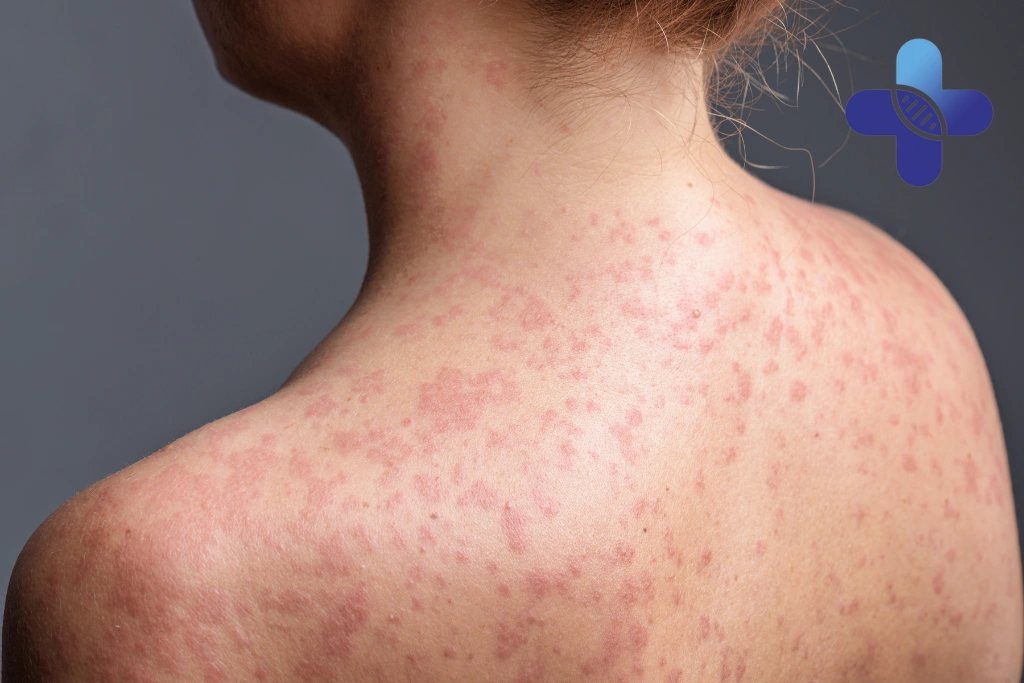
Snorkeling around Jimbaran can expose the skin to seawater, sunlight, marine organisms, equipment, and products such as sunscreen.
A traveler may notice itching, redness, small bumps, burning, or swelling shortly after leaving the water. In other cases, the reaction may not become visible until several hours later.
The appearance of a rash does not identify its cause. Its location, timing, severity, and associated symptoms all matter when deciding whether simple skin care is sufficient or a medical examination is needed.
What Can Cause a Rash After Snorkeling?
Skin irritation after snorkeling may have several possible explanations.
Contact dermatitis can occur when the skin reacts to an irritant or allergen. It may cause dryness, redness, itching, burning, stinging, or blisters, and symptoms can appear immediately or within approximately 48 hours of exposure.
Possible triggers during snorkeling include sunscreen, mask materials, cleaning products, wetsuits, saltwater, or prolonged contact with wet clothing.
Marine organisms can also produce skin reactions. Some rashes appear after contact with jellyfish or small organisms in the water, while other reactions may resemble itchy bumps or small blisters.
Swimmer’s itch is one example of an allergic skin reaction linked to microscopic parasites in some aquatic environments. It is not contagious, and symptoms may appear within minutes or up to two days after exposure.
Not every rash after snorkeling is swimmer’s itch. A physical examination may be needed when the cause is unclear.
How the Rash May Appear
The pattern of the rash can provide useful information, although it cannot confirm a diagnosis by itself.
Changes Travelers May Notice
- Itchy red bumps
- Burning or stinging skin
- Small blisters
- Localized swelling
- Dry or peeling areas
- A rash beneath swimwear or equipment
- Irritation around the mask or straps
- Painful or increasingly warm skin
A rash limited to the area beneath a mask, wetsuit, or strap may suggest friction or contact irritation. A more widespread reaction may have another cause.
Travelers who develop swelling after time near the beach may also find the guide to Sand Flies and Swelling in Jimbaran useful.
What to Do After the Rash Appears
Leave the water and remove wet swimwear or equipment.
Rinse the skin gently with clean water. Avoid aggressive scrubbing, exfoliating products, fragrances, or unfamiliar creams because these may make irritated skin more uncomfortable.
A cool compress may help reduce itching or burning. A plain moisturizer may also help when the skin is dry or irritated. Avoid scratching because broken skin can increase the risk of infection.
Contact dermatitis often improves when the triggering substance is identified and avoided. Moisturizers may help protect dry skin, while stronger symptoms sometimes require treatment recommended by a medical professional.
Do not apply prescription steroid creams, antibiotics, or multiple topical products without appropriate advice. Treatment depends on the cause and appearance of the rash.
When a Doctor Should Examine the Rash

Medical assessment may be appropriate when the rash is painful, spreading, blistered, or not improving.
A GP can examine the skin, review the timing of exposure, ask about snorkeling equipment and products, and check for signs of infection or an allergic reaction.
Seek medical advice when:
- Itching is severe or prevents sleep
- Swelling continues to increase
- Blisters are large or widespread
- The skin becomes increasingly painful
- Redness spreads beyond the original area
- Broken skin produces discharge
- Fever or general illness develops
- The rash affects the face or eyes
- Symptoms return after repeated water exposure
A rash close to the eyes needs particular caution. Travelers experiencing redness, pain, discharge, or visual changes can review eye irritation in Jimbaran.
Delayed skin reactions may sometimes follow marine stings. Depending on the condition, a doctor may recommend an antihistamine, corticosteroid, pain relief, or another treatment after assessment.
Warning Signs That Need Urgent Care
Some skin reactions can become serious quickly.
Seek Urgent Help for These Changes
- Difficulty breathing
- Swelling of the lips, tongue, or throat
- Fainting or sudden weakness
- Rapidly spreading swelling
- Severe facial swelling
- Confusion
- Repeated vomiting
- Severe pain after a marine sting
- Eye exposure with intense pain or vision changes
A routine clinic consultation should not delay emergency assistance when symptoms suggest a severe allergic reaction or another life-threatening condition.
A jellyfish sting affecting the eye or the area close to it requires prompt medical care.
Reducing Skin Irritation During Future Snorkeling
Travelers should allow the skin to recover before returning to the water.
Wash and dry masks, wetsuits, and swimwear thoroughly. Avoid reusing equipment that appears to trigger irritation until the possible cause has been identified.
Use sun protection suitable for the individual’s skin and avoid testing several new products immediately before snorkeling.
Change out of wet swimwear after leaving the water and rinse the skin gently. Avoid scratching existing bites, rashes, or wounds before entering the sea.
Travelers with open cuts should also consider guidance on coral cut treatment in Jimbaran Bali because seawater and debris may irritate damaged skin.
Get Medical Support in Jimbaran
Travelers with a persistent, spreading, painful, or blistered rash can contact Life Everyouth Bali to ask whether a GP assessment is appropriate.
The clinic is located at Jl. Uluwatu II No.10X Jimbaran, Kec. Kuta Sel. Kabupaten Badung, Bali 80361
For assistance through WhatsApp, contact +62 858-8788-8911 or chat with the clinic on WhatsApp.
Include the patient’s name, age, location, when the rash appeared, where it is located, whether it is spreading, and any additional symptoms.
Travelers can also ask about access to a general practitioner in Bali for a professional skin assessment.
Consultation availability, fees, medication, and additional treatment should be confirmed directly with the clinic.
Conclusion – Skin Rash After Snorkeling Jimbaran Bali Guide

A skin rash after snorkeling may develop from irritation, friction, products used on the skin, marine exposure, or an allergic response.
Initial care should focus on leaving the water, removing wet equipment, gently rinsing the skin, avoiding scratching, and monitoring how the reaction changes.
Medical assessment may be needed when the rash spreads, becomes painful, develops blisters, shows signs of infection, or affects the face or eyes.
Breathing difficulty, swelling of the lips or tongue, fainting, or rapidly worsening symptoms require urgent emergency care.
Frequently Asked Questions (FAQs) – Skin Rash After Snorkeling Jimbaran Bali Guide
Why did I develop a rash after snorkeling?
Possible causes include friction, sunscreen or equipment irritation, contact dermatitis, marine organisms, insect bites, or another allergic response. The rash pattern and timing help guide the assessment.
Can seawater cause a skin rash?
Seawater itself may irritate sensitive or damaged skin, but a rash can also result from organisms, equipment, wet clothing, sunscreen, or another exposure during snorkeling.
Is a rash after snorkeling contagious?
Many irritation and allergic reactions are not contagious. Swimmer’s itch, for example, does not spread from one person to another.
Should I scratch an itchy snorkeling rash?
No. Scratching may damage the skin and increase the risk of infection. A cool compress and gentle skin care may help reduce discomfort.
Can I go snorkeling again with a rash?
It is generally better to wait until the rash improves and the cause is clearer. Seawater, sunlight, equipment, and friction may worsen irritated or broken skin.
Can a GP treat a rash after snorkeling?
A GP can examine the rash, assess possible causes, check for infection or allergy, and recommend treatment or referral when appropriate.
When is a snorkeling rash an emergency?
Seek urgent care for breathing difficulty, swelling of the lips or tongue, fainting, severe facial swelling, confusion, rapidly worsening symptoms, or intense eye pain.
How can I tell if the rash is infected?
Possible signs include increasing redness, warmth, swelling, pain, discharge, or fever. A worsening rash should be examined.
Where can travelers get a skin rash checked in Jimbaran?
Travelers can contact the clinic at Jl. Uluwatu II No.10X, Jimbaran, Kec. Kuta Sel., Kabupaten Badung, Bali 80361. Confirm consultation availability before visiting.
How can I contact the clinic?
Contact the clinic through WhatsApp at +62 858-8788-8911. Use the WhatsApp chat button in this article and include a description of the rash, its location, when it began, and any additional symptoms.
