
Travelers and residents in Bali may encounter ongoing health considerations, including sexually transmitted diseases in Bali, especially when planning follow-up care after initial screening. Understanding STD retesting in Bali—including timing, testing methods, and medical guidance based on WHO and Kementerian Kesehatan RI (Kemenkes) recommendations—can help ensure more accurate results and better long-term sexual health management.
Should You Get Retested? Understanding Follow-Up STD Screening Packages in Bali
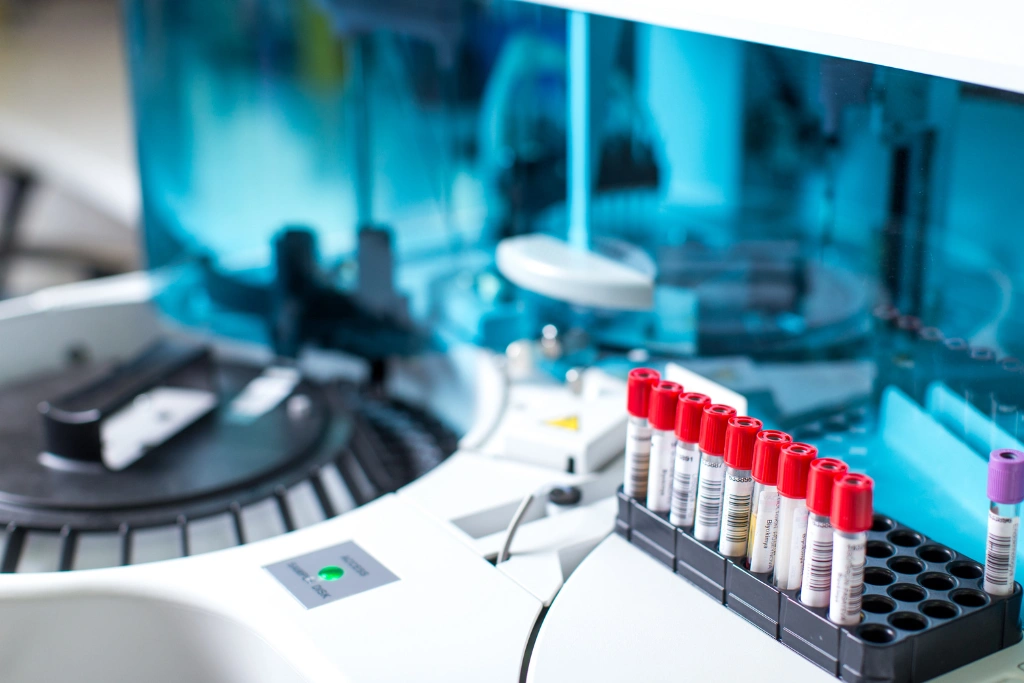
Getting tested for STDs is a responsible first step, but in many cases, it is not the final one. Understanding STD retesting in Bali is important because some infections may not be immediately detectable, while others may recur after treatment.
In a dynamic environment like Bali—where travel, new relationships, and varying exposure risks are common—follow-up testing becomes part of maintaining overall health. At Life Everyouth Bali, retesting is often approached as a structured process within a Medical Clinic in Bali, guided by international standards and Kemenkes-aligned practices.
Why Retesting Matters in STD Prevention
One of the most important reasons for retesting is the window period, which refers to the time between exposure and when an infection becomes detectable. Both WHO and Kemenkes emphasize the importance of timing to avoid misleading results.
During this period:
- test results may still appear negative
- infections may not yet be detectable
- early screening may not reflect actual infection status
Another key factor is reinfection. A negative result does not guarantee future safety if new exposure occurs.
Retesting may be recommended in situations such as:
- unprotected sex with a new partner
- symptoms appearing after a previous negative test
- follow-up after completing treatment
At Life Everyouth Bali, these factors are typically reviewed during consultation to determine appropriate follow-up testing at a Bali Medical Clinic.
How Often Should You Retest for STDs?
The frequency of retesting depends on individual risk and exposure history. WHO and Kemenkes guidelines generally recommend periodic screening for sexually active individuals, especially those with changing partners.
Common recommendations include:
- every 3–6 months for individuals with ongoing risk
- earlier testing after new exposure
- follow-up after treatment completion
If a partner is diagnosed after your last test, retesting is also advised even without symptoms.
At a Medical Clinic in Bali, timing is usually personalized based on risk profile. Life Everyouth Bali applies this approach to ensure retesting is medically relevant and not excessive.
STD Retesting Timeline by Infection Type
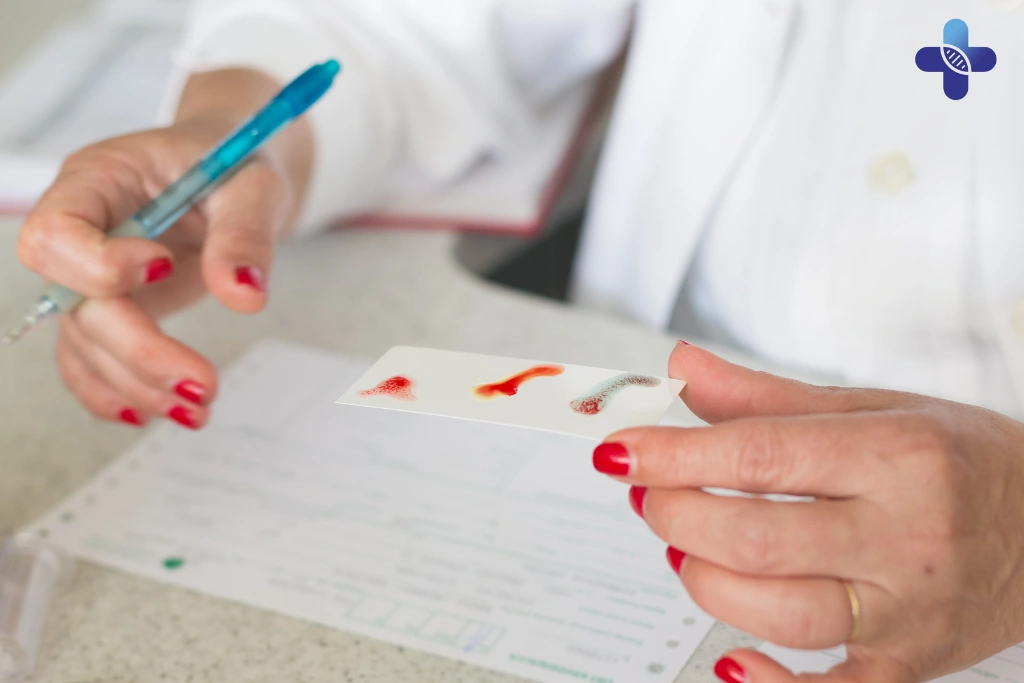
Each infection has a different timeline for accurate detection and follow-up. WHO and Kemenkes guidelines both highlight the importance of aligning testing with biological behavior.
| Infection | Retest Interval | Notes |
| HIV | 3 months | Window period may delay detection |
| Chlamydia | 3 months | Reinfection common |
| Gonorrhoea | 3–6 months | Depends on exposure |
| Syphilis | 6–12 months | Requires monitoring |
| Herpes | When symptoms occur | Test during recurrence |
| Hepatitis B | 6 months | Confirms status |
This framework is commonly used in a Medical Clinic Bali setting. At Life Everyouth Bali, adjustments may be made based on symptoms and individual exposure risk.
Which STD Test Package Is Best for Retesting?
Choosing the right package depends on previous results, symptoms, and exposure history. Some individuals require only simple follow-up, while others may benefit from broader screening.
Basic STD Test Package – For Quick HIV Follow-Up
The Basic STD Test Package is typically used for post-window HIV confirmation. It is suitable for individuals with low-risk exposure who need a simple follow-up.
This option may be considered when:
- confirming HIV status after initial testing
- no symptoms are present
- exposure risk is relatively low
Medium STD Test Package – Ideal for Common Follow-Up Needs
The Medium STD Test Package provides broader screening and is often used for individuals with mild symptoms or uncertain exposure.
It is commonly chosen when:
- previous testing was done too early
- mild or unclear symptoms are present
- additional reassurance is needed
This approach aligns with Kemenkes recommendations for broader screening in moderate-risk cases.
Comprehensive or Premium STD Packages – For Full Re-evaluation
The Comprehensive STD Test Package and Premium STD Test Package are designed for more complete reassessment.
They may be recommended when:
- multiple exposures have occurred
- previous treatment has been completed
- there is uncertainty about infection status
At Life Everyouth Bali, these options are often used when a more thorough evaluation is needed at a Medical Clinic in Bali.
Advanced & Premium Intimate STD Test Packages – For PCR-Based Retesting
The Advanced Sexual Health STD Test Package and Premium Intimate Care STD Test Package use PCR-based testing for higher accuracy.
These are often recommended for:
- persistent or recurring symptoms
- high-risk exposure
- confirmation after previous testing
PCR testing is also aligned with WHO and Kemenkes guidance for accurate diagnosis in complex cases. A Medical Clinic Bali may recommend these packages when standard screening is not sufficient.
Signs You Might Need Retesting Sooner
In some cases, waiting for the standard retesting timeline may not be appropriate. Early retesting may be necessary depending on symptoms or exposure.
You may need retesting sooner if you experience:
- unusual discharge or irritation
- pain or discomfort
- symptoms that return after treatment
Retesting is also important if:
- you had unprotected sex after your last test
- your partner is diagnosed with an infection
- symptoms appear after a negative result
At Life Everyouth Bali, early retesting is often recommended in these situations through consultation at a Medical Clinic in Bali.
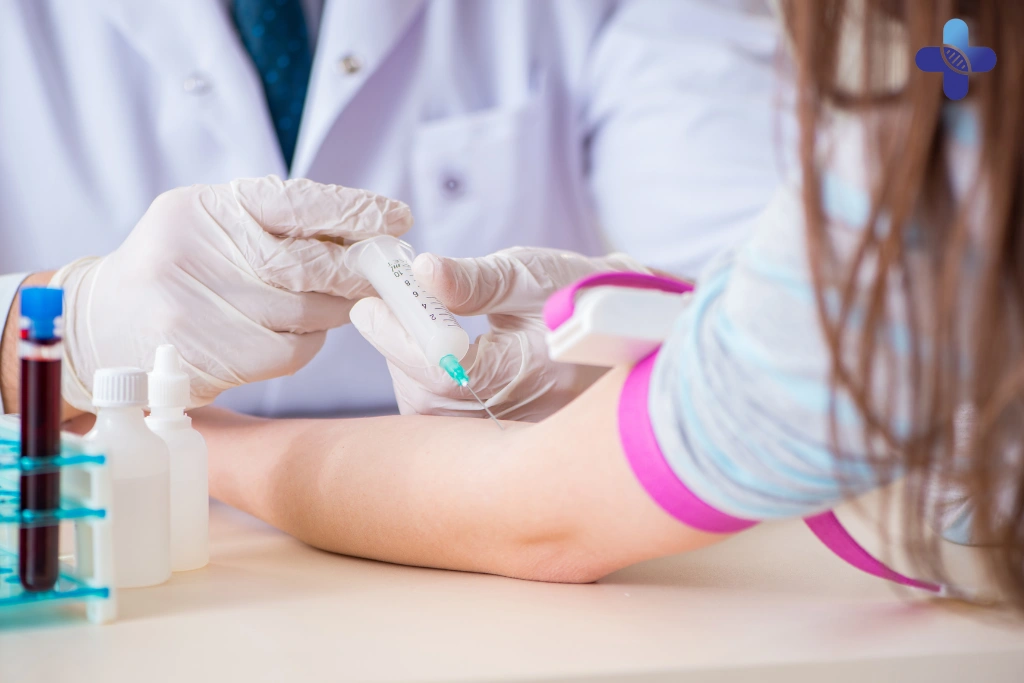
Why Life Everyouth Uses Package-Based STD Retesting
Package-based testing is designed to improve diagnostic accuracy and align with international and national guidelines.
Preventing Missed Infections with Complete Screening
Single tests may miss infections due to overlapping symptoms or limited scope. Package-based testing helps ensure broader and more reliable detection.
Aligned with International Retesting Guideline
Testing packages are generally structured based on WHO and CDC recommendations. This helps ensure that screening follows medically accepted timelines and protocols.
At Life Everyouth Bali, these guidelines are used to support clinical decisions in a Medical Clinic in Bali setting.
Better Value and Long-Term Monitoring
Package-based testing combines consultation, testing, and evaluation in one process. This can be more efficient than performing multiple separate tests over time.
For many patients, this approach also supports ongoing monitoring rather than one-time screening.If you are considering follow-up screening, you may explore std tests in Bali to review available retesting options, package types, and medical considerations. This can help you choose a more suitable approach based on your symptoms, exposure, and testing history.
Conclusion STD Retesting in Bali – When and Why You Should Get Tested Again

STD retesting plays an important role in maintaining long-term sexual health, particularly in a setting like Bali where exposure risks may change over time. Factors such as window periods, reinfection, and evolving relationships all contribute to the need for follow-up testing.
With guidance based on WHO and Kemenkes recommendations, retesting can be performed at the right time and with the right method. Access to structured evaluation through a Medical Clinic in Bali helps ensure that decisions are based on medical needs and not assumptions.
Frequently Asked Question STD Retesting in Bali – When and Why You Should Get Tested Again
How soon after an STD test should I consider retesting?
Retesting is generally recommended within 3 to 6 months, depending on your exposure risk and sexual activity. At Life Everyouth Bali, this timing may be adjusted based on individual evaluation at a Medical Clinic in Bali.
What is the window period in STD testing?
The window period is the time between infection and when it becomes detectable through testing. WHO and Kemenkes guidelines highlight that testing too early may lead to false-negative results, which is why follow-up screening is often necessary.
Should I get retested even if I have no symptoms?
Yes, many infections can remain asymptomatic and still be transmitted to others. At Life Everyouth Bali, routine retesting may be recommended through a Medical Clinic Bali approach to support early detection and prevention.
Which STD package is best for a follow-up test?
The most suitable package depends on your symptoms, exposure, and previous results. At Life Everyouth Bali, options range from basic to comprehensive packages available at a Medical Clinic in Bali.
Can I request a single test only for follow-up?
Some clinics may offer individual testing, but package-based screening is often recommended for more complete results. At Life Everyouth Bali, this approach is used to reduce the risk of missed infections at a Medical Clinic Bali.
Is it necessary to retest after treatment?
Yes, retesting is often recommended to confirm that the infection has been fully treated. WHO and Kemenkes both emphasize follow-up testing to prevent recurrence and transmission.
What if my partner tested positive after my negative test?
You should consider retesting as soon as possible, even if you have no symptoms. At Life Everyouth Bali, early follow-up is commonly advised at a Medical Clinic in Bali to ensure accurate status after new exposure.
Can retesting be done with a PCR test?
Yes, PCR testing is commonly used for retesting when higher accuracy is required. At Life Everyouth Bali, PCR-based options are available through packages at a Medical Clinic Bali.
How do I know if I’ve been reinfected?
Reinfection may occur without obvious symptoms, so testing is often the only way to confirm it. At Life Everyouth Bali, regular screening is recommended at a Medical Clinic in Bali for ongoing monitoring.
Where can I get private and confidential STD retesting in Bali?
Confidential retesting is available at clinics that provide structured sexual health services. Life Everyouth Bali offers private consultation and follow-up care through a Medical Clinic Bali environment focused on patient comfort.
