
Vitamin IV therapy is often considered by travelers who feel weak, dehydrated, low on appetite, or slow to recover after busy travel days. If you are searching for vitamin IV therapy for immune support in Bali, it helps to understand broader recovery factors related to the Immune System in Bali, including hydration, nutrient intake, sleep, digestion, heat exposure, and medical suitability.
Vitamin IV Therapy for Immune Support in Bali: What Travelers Should Know Before Booking Supportive Care

Vitamin IV therapy has become a common option for travelers looking for hydration and nutrient support during a Bali trip.
Some people consider it after feeling weak, dehydrated, tired from travel, low on appetite, or slow to recover after mild symptoms. Others ask about it before an important event, long flight, retreat, or busy itinerary.
But vitamin IV therapy for immune support in Bali should be understood carefully.
It may support hydration and selected nutrient needs for suitable travelers, but it should not be treated as a cure for infection, a guaranteed immunity boost, or a replacement for medical evaluation when symptoms are severe, persistent, or unclear.
What Vitamin IV Therapy Means During Travel
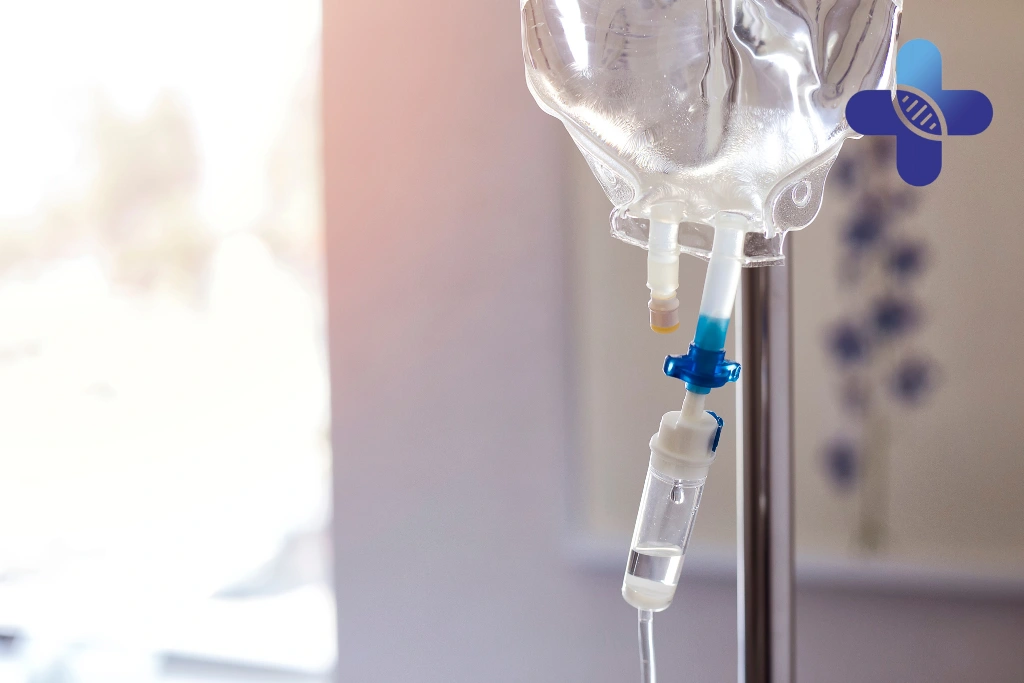
Vitamin IV therapy usually refers to fluids and selected nutrients delivered through an intravenous line.
For travelers, the main reason to consider IV support is often hydration, especially when tiredness overlaps with heat, sweating, alcohol, low appetite, diarrhea, vomiting, or not drinking enough safe fluids.
Nutrients also matter, but they should not be overclaimed. The NIH Office of Dietary Supplements explains that the immune system needs certain vitamins and minerals to work properly, including vitamin C, vitamin D, and zinc. This supports the idea that nutrient intake matters, but it does not mean IV vitamins guarantee protection from illness.
If you are still deciding whether support is needed, when to consider immune support during your Bali trip is the most relevant starting point.
When Vitamin IV Therapy May Be Considered
Vitamin IV therapy may be considered when your body feels run down and basic recovery does not feel sufficient.
This does not mean every tired traveler needs an IV drip. It means supportive care may be worth discussing when symptoms suggest dehydration, low appetite, nutrient depletion, or slow recovery.
Situations Where Travelers May Ask About IV Support
Travelers may ask about vitamin IV therapy when they experience:
- weakness after heat, sweating, alcohol, or poor sleep
- low appetite that makes eating difficult
- slow recovery after mild digestive symptoms
- tiredness before a long flight or important travel day
- feeling dehydrated despite drinking fluids
- fatigue after several busy days
- difficulty returning to normal energy after travel stress
- feeling run down without severe warning signs
These patterns do not confirm that IV therapy is needed. They suggest that hydration, nutrition, rest, and medical suitability should be reviewed.
Hydration Is Often the First Reason Travelers Consider IV Support
Hydration is one of the most practical reasons travelers ask about IV therapy in Bali.
Bali’s heat can increase sweating, especially during beach days, surfing, walking tours, waterfalls, outdoor workouts, scooter rides, and long transfers. CDC Yellow Book notes that heat-related conditions can include nausea, vomiting, headache, muscle weakness, and lethargy, which can overlap with what travelers describe as feeling weak or run down.
Digestive symptoms can add another layer. CDC Yellow Book explains that fluids and electrolytes are lost during travelers’ diarrhea, and that replacing fluid losses helps travelers feel better more quickly.
If weakness appears after diarrhea, vomiting, alcohol, sweating, or low fluid intake, how dehydration affects your immune system in Bali can help explain why fluid balance may be the main issue.
Nutrient Support Should Be Framed Carefully
Vitamin IV therapy is often marketed around nutrients, but travelers should keep expectations realistic.
Vitamin C, vitamin D, zinc, B vitamins, and other nutrients may support normal body function when intake is inadequate or the body is under stress. However, more nutrients do not automatically mean stronger immunity.
The NIH Office of Dietary Supplements explains that vitamin C plays an important role in immune function, while zinc is involved in immune function, protein synthesis, DNA synthesis, wound healing, and cell signaling.
For most travelers, nutrient support works best when combined with rest, safe fluids, simple meals, and a lighter schedule.
If your food intake has been poor during the trip, foods that can support your immune system while traveling in Bali may be a better first step before focusing only on IV support.
Vitamin IV Therapy Is Not a Replacement for Medical Evaluation
Some symptoms need medical guidance first.
If you have persistent fever, repeated vomiting, diarrhea, severe dehydration, confusion, chest pain, breathing difficulty, severe abdominal pain, blood in stool, or worsening symptoms, IV therapy should not be treated as the main solution.
CDC Yellow Book describes common illness patterns in travelers, including fever, respiratory illness, gastrointestinal illness, and central nervous system concerns. These symptoms may require proper evaluation when they are persistent or concerning.
A trusted Medical Clinic in Bali can help assess whether symptoms are more likely related to dehydration, digestive illness, heat exposure, respiratory illness, fatigue, or another concern.
Warning Signs That Need Medical Guidance
Seek medical guidance if symptoms include:
- persistent or returning fever
- repeated vomiting or diarrhea
- signs of dehydration
- severe weakness that does not improve with rest and fluids
- fainting, confusion, or unusual drowsiness
- chest pain or breathing difficulty
- severe abdominal pain
- blood in stool or worsening digestive symptoms
- symptoms that keep getting worse
- symptoms in children, elderly travelers, pregnant travelers, or people with chronic illness
These symptoms should be checked before assuming that vitamin IV therapy is enough.
For clearer decision-making, when should you seek medical help for frequent illness in Bali is the most relevant supporting article.
What to Expect Before Booking IV Support
Before booking vitamin IV therapy, your symptoms and condition should be reviewed.
A medical team may ask about your current symptoms, hydration status, appetite, allergies, medications, medical history, pregnancy status, chronic conditions, and whether symptoms are improving or worsening.
This matters because IV support may not be suitable for everyone.
It is also important to be honest about fever, vomiting, diarrhea, chest symptoms, fainting, confusion, or severe weakness. These details help determine whether supportive care is appropriate or whether medical evaluation should come first.
Where Immune Booster IV Drip Bali May Fit
For suitable travelers, Immune Booster IV Drip Bali may be considered as supportive care for hydration and selected nutrient support.
As a Medical Clinic in Bali, Life Everyouth Bali can help assess whether IV support is suitable based on symptoms, hydration status, appetite, medical history, and current condition.
Life Everyouth Bali provides Immune Booster IV Drip Bali at its Sanur and Jimbaran clinics, with home visit IV therapy options for hotels, villas, or private residences. The service page lists the Basic Immune Booster Package at IDR 400,000, the Premium Immune Booster Package at IDR 700,000, and the Super Immune Booster Package at IDR 725,000.
Travelers staying in areas such as Canggu, Ubud, Uluwatu, Seminyak, Kuta, Nusa Dua, or Denpasar may ask about home visit availability depending on condition, location, schedule, and medical suitability.
Conclusion – Vitamin IV Therapy for Immune Support in Bali
If you are searching for vitamin IV therapy for immune support in Bali, it is best to view IV therapy as supportive care, not a cure or guaranteed protection.
Start with the full picture: sleep, hydration, food intake, heat exposure, digestion, stress, symptoms, and medical suitability.
For suitable travelers, Immune Booster IV Drip Bali may support hydration and selected nutrient needs through Life Everyouth Bali after symptoms and suitability are reviewed.
Frequently Asked Questions (FAQs) – Vitamin IV Therapy for Immune Support in Bali
What is vitamin IV therapy for immune support in Bali?
Vitamin IV therapy for immune support usually refers to intravenous fluids combined with selected nutrients. For travelers, it is often considered for hydration and nutrient support when feeling weak, dehydrated, low on appetite, or slow to recover.
Can vitamin IV therapy prevent illness?
Vitamin IV therapy should not be treated as guaranteed illness prevention. Nutrients can support normal immune function, but sleep, hydration, food safety, rest, and medical evaluation also matter.
When should travelers consider vitamin IV therapy in Bali?
Travelers may consider IV support when they feel run down, dehydrated, low on appetite, slow to recover, or weak after heat, sweating, alcohol, poor sleep, or mild digestive symptoms.
Is vitamin IV therapy suitable for everyone?
No. Suitability depends on symptoms, hydration status, medical history, medications, allergies, pregnancy status, and current condition. A medical review is important before IV support.
Can vitamin IV therapy help with dehydration?
For suitable travelers, IV therapy may support hydration. However, severe dehydration, repeated vomiting, confusion, fainting, or worsening symptoms should be medically evaluated first.
What nutrients are commonly discussed for immune function?
Vitamin C, vitamin D, zinc, and other nutrients are commonly discussed in immune function. NIH notes that the immune system needs certain vitamins and minerals to work properly, including vitamin C, vitamin D, and zinc.
When is vitamin IV therapy not enough?
IV therapy is not enough when symptoms include persistent fever, repeated vomiting or diarrhea, severe dehydration, confusion, chest pain, breathing difficulty, severe abdominal pain, blood in stool, fainting, or worsening symptoms.
Can Immune Booster IV Drip Bali help if I feel run down?
For suitable travelers, Immune Booster IV Drip Bali may support hydration and selected nutrient needs. It should not replace medical evaluation when symptoms are severe, persistent, or unclear.
How much does Immune Booster IV Drip Bali cost at Life Everyouth Bali?
Life Everyouth Bali lists Immune Booster IV Drip Bali package pricing from IDR 400,000 to IDR 725,000, depending on whether the traveler chooses the Basic, Premium, or Super Immune Booster Package.
Does Life Everyouth Bali provide clinic and home visit options?
Yes. Life Everyouth Bali is a Medical Clinic in Bali with clinic access in Sanur and Jimbaran, plus home visit IV therapy options for hotels, villas, or private residences depending on condition, location, schedule, and medical suitability.
