
Sexual health is an important part of staying safe in Bali, especially for travelers, expats, and long-stay visitors who may be sexually active during their time on the island. Among concerns related to common STD in Bali, HIV deserves careful attention because, when left undiagnosed or untreated, it can progress to AIDS over time.
AIDS in Bali: Prevention, Symptoms, Testing, and What Travelers Should Know
Bali is known for its beaches, culture, nightlife, wellness retreats, and international travel scene. But health awareness should not be overlooked, especially when it comes to sexual health.
HIV is a preventable and treatable infection. When HIV is not diagnosed or managed, it can progress to AIDS over time. Understanding AIDS in Bali helps travelers, expats, and long-stay visitors make safer decisions about prevention, testing, and medical care.
AIDS itself does not spread from person to person. HIV is the virus that can be transmitted, and untreated HIV can later develop into AIDS. WHO explains that untreated HIV can progress to AIDS, often after many years.
For anyone concerned about possible exposure, symptoms, or delayed testing, STD testing in Bali can be a practical first step toward clarity.
What Is AIDS and How Is It Different from HIV
HIV stands for Human Immunodeficiency Virus. It attacks the immune system and weakens the body’s ability to fight infections.
AIDS stands for Acquired Immunodeficiency Syndrome. It is the most advanced stage of untreated HIV infection, when the immune system becomes severely weakened.
HIV and AIDS are related, but they are not the same. HIV is the virus. AIDS is the advanced condition that can develop if HIV is not treated.
CDC explains that HIV treatment can slow or prevent progression to AIDS. Kemenkes Indonesia also explains that untreated HIV can develop into AIDS, where the body becomes vulnerable to serious infections and diseases.
Why AIDS Awareness Matters for Travelers and Expats in Bali
AIDS awareness matters in Bali because sexual health risks can be overlooked during travel. New relationships, nightlife, alcohol, dating apps, and long-stay lifestyles may increase the chance of unprotected sex or delayed testing.
This does not mean Bali itself causes AIDS. Risk depends on exposure history, testing history, and whether HIV is diagnosed and treated early.
HIV and AIDS remain public health concerns in Bali. Dinas Kesehatan Provinsi Bali reported 30,366 cumulative HIV cases in Bali as of March 2024, with distribution across districts and cities in the province.
For travelers staying in Sanur, Jimbaran, Canggu, Seminyak, Kuta, Uluwatu, or Ubud, awareness is not about fear. It is about knowing when to test, how to prevent infection, and where to seek confidential support.
Symptoms That May Suggest AIDS-Related Immune Decline
AIDS-related symptoms usually appear when the immune system has become severely weakened. However, symptoms alone cannot confirm AIDS.
Many symptoms can also be caused by travel fatigue, tropical infections, digestive illness, stress, poor sleep, or dehydration. Medical testing and evaluation are needed to understand the cause.
Common Symptoms That May Need Attention
Persistent symptoms may need medical guidance, especially if they happen with possible exposure history or a long gap since the last STD test.
- Persistent fever
- Night sweats
- Unexplained weight loss
- Chronic diarrhea
- Swollen lymph nodes
- Recurring infections
- Mouth sores or oral thrush
- Fatigue that does not improve with rest
- Confusion, memory problems, or other neurological changes
These symptoms do not automatically mean AIDS. But if they continue, return, or appear together, they should not be dismissed.
Why These Symptoms Can Be Misread in Bali
Some AIDS-related symptoms can look similar to common travel health problems.
Fever and night sweats may be blamed on Bali’s heat, infections, or poor sleep. Fatigue may be linked to long flights, nightlife, work stress, or travel schedules.
Digestive problems may also be mistaken for food changes or traveler’s diarrhea. In places such as Canggu, Seminyak, Ubud, or Uluwatu, long-stay visitors may try to self-manage symptoms before seeking care.
When Symptoms Should Be Checked
Symptoms should be checked when they persist, return often, or appear together with possible exposure history.
This is especially important if symptoms include fever, night sweats, unexplained weight loss, chronic diarrhea, swollen lymph nodes, recurring infections, or unusual fatigue.
A medical provider can help decide whether HIV testing, STD screening, or other tests are needed.
How HIV Can Be Transmitted and Progress to AIDS
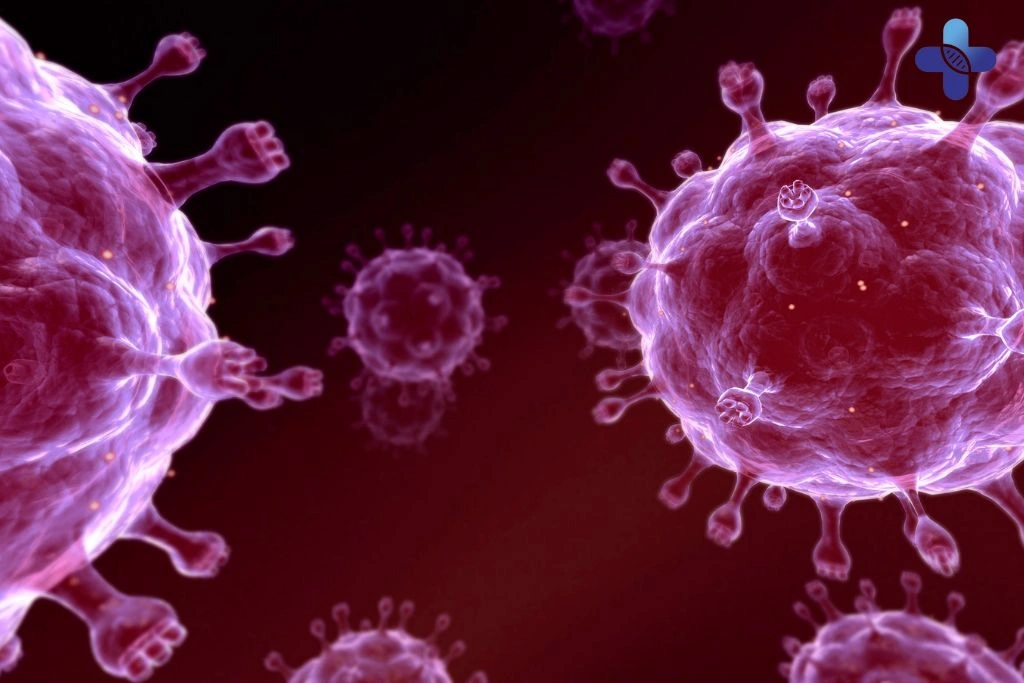
AIDS itself does not spread. HIV is the virus that spreads from person to person.
HIV can be transmitted through specific body fluids, including blood, breast milk, semen, and vaginal fluids. WHO states that HIV is not spread through kissing, hugging, sharing food, or casual contact.
Common HIV Transmission Routes
HIV transmission risk may increase through:
- Unprotected vaginal or anal sex
- Condom breakage or incorrect condom use
- Sharing needles or injecting equipment
- Exposure to infected blood
- Mother-to-child transmission during pregnancy, birth, or breastfeeding
- Unsterile medical, cosmetic, tattoo, or piercing equipment
In Bali, risk is not about the destination itself. It is about exposure, prevention habits, and whether testing happens early enough.
What Does Not Transmit HIV
HIV does not spread through ordinary social contact.
You cannot get HIV from hugging, shaking hands, sharing food, using the same toilet, swimming in the same pool, or sitting near someone living with HIV.
This distinction matters because stigma can stop people from asking questions, getting tested, or seeking care.
Why Early Testing Matters After Possible Exposure
Unprotected sex, condom failure, unknown partner status, or shared needles may increase concern.
Travel settings can sometimes involve spontaneous decisions. Nightlife in Seminyak or Kuta, dating in Canggu, villa stays in Uluwatu, or long-term relationships in Ubud can make sexual health conversations easier to delay.
Testing is not a sign of panic. It is a responsible way to understand your status and protect future partners.
When Should You Get Tested in Bali?
Testing is the only reliable way to know your HIV status. Feeling healthy does not always mean there is no risk.
CDC explains that no HIV test can detect HIV immediately after infection because of the window period. Different HIV tests also have different detection timelines.
Testing May Be Recommended If
Consider STD testing in Bali if:
- You had unprotected sex
- A condom broke or slipped
- You do not know your partner’s testing history
- You have had multiple or new partners
- You have symptoms that persist or recur
- You have not tested in months or years
- You want clarity before starting a new relationship
- You are concerned about HIV or other STDs after exposure
If exposure was very recent, ask a medical provider about PEP as soon as possible. PEP must be started within 72 hours after possible HIV exposure.
What Tests May Be Used for AIDS-Related Concerns?
There is no simple symptom-only “AIDS test.” AIDS-related concern usually starts with HIV testing and medical evaluation.
A provider may review your exposure history, symptoms, previous testing, and timing. Depending on your situation, STD screening may also be recommended.
HIV Testing
HIV testing is usually central when someone is concerned about AIDS-related risk.
WHO states that rapid diagnostic tests can support HIV diagnosis and may provide same-day results. However, confirmatory testing is required after a reactive result.
STD Screening
Other STD tests may also be recommended depending on exposure and symptoms.
This may include syphilis, gonorrhea, chlamydia, trichomonas, candida, or other screening options depending on the clinical situation.
Follow-Up or Confirmatory Testing
If a result is reactive, positive, unclear, or taken too early after exposure, follow-up testing may be needed.
If HIV is diagnosed or advanced disease is suspected, additional tests such as CD4 count or viral load may be discussed by a healthcare provider.
Where to Get Confidential STD Testing in Bali
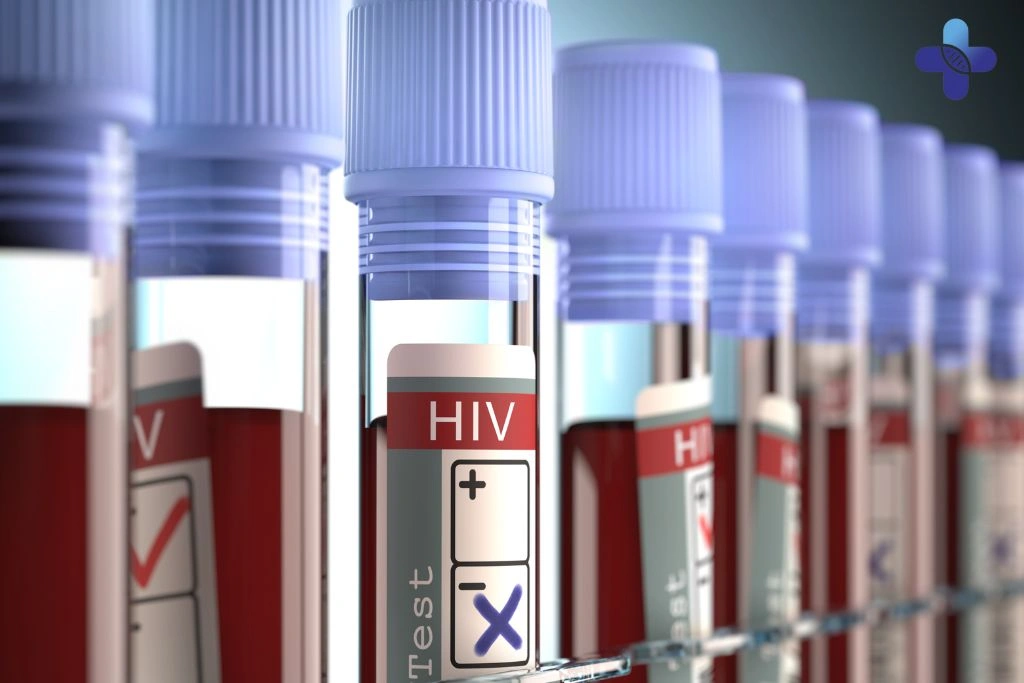
If you are concerned about HIV exposure, AIDS-related symptoms, or delayed screening, STD testing in Bali can help you understand your status and decide the next step.
Life Everyouth Bali provides confidential STD testing for travelers and residents, with same-day results for many services and home visit options available. Its STD testing page lists packages that may include Anti-HIV Rapid Test, gonorrhoea, chlamydia, syphilis, trichomonas, candida, and other screening options depending on the package.
Travelers staying in Canggu, Seminyak, Kuta, Uluwatu, Ubud, Sanur, or Jimbaran may prefer different testing options depending on privacy, transport, and urgency.
Clinic Testing in Sanur and Jimbaran
For people who want direct medical support, STD testing in Sanur or STD testing in Jimbaran may be suitable.
Sanur can be practical for travelers and residents around East Denpasar, Sanur beach areas, or nearby long-stay accommodation.
Jimbaran may be more convenient for South Bali visitors staying around Uluwatu, Nusa Dua, Ungasan, Pecatu, or resort areas.
Home STD Testing Bali
For people who prefer privacy at a villa, hotel, or private residence, home STD testing Bali may be an option depending on location and availability.
Life Everyouth’s STD testing page states that home visit STD testing can be arranged at a villa, hotel, or private residence.
How to Reduce HIV Risk and Prevent AIDS Progression
AIDS prevention starts with HIV prevention, early testing, and timely treatment.
If HIV is diagnosed early and managed with antiretroviral therapy, many people can live long and healthy lives. CDC explains that HIV treatment can slow or prevent progression to AIDS.
Practical Prevention Steps
To reduce HIV risk while staying in Bali:
- Use condoms correctly and consistently
- Avoid sharing needles or injecting equipment
- Choose licensed providers for tattoos, piercings, cosmetic procedures, and medical care
- Get tested regularly if sexually active
- Discuss testing history with partners
- Ask about PrEP if you are at higher ongoing risk
- Ask about PEP immediately after possible recent exposure
- Seek medical care early if a test is reactive or symptoms persist
Prevention is not about fear. It is about informed choices.
PrEP, PEP, and ART: What Travelers Should Know
PrEP, PEP, and ART are different tools used in HIV prevention and treatment. They should be discussed with a qualified healthcare provider.
PrEP is preventive medication for people at higher ongoing risk of HIV. It is taken before possible exposure.
PEP is emergency medication taken after possible HIV exposure. It must be started within 72 hours after exposure, so medical guidance should not be delayed.
ART is treatment for people living with HIV. It helps control the virus, protect the immune system, and reduce the risk of progression to AIDS.
Need Confidential STD Testing in Bali?
If you are concerned about possible HIV exposure, AIDS-related symptoms, or delayed sexual health screening, STD testing in Bali can help you move from uncertainty to clarity.
Life Everyouth Bali provides private STD testing for travelers, expats, and long-stay visitors, with clinic access in Sanur and Jimbaran and home testing options for selected Bali areas.
Conclusion AIDS in Bali: Awareness & Prevention Guide
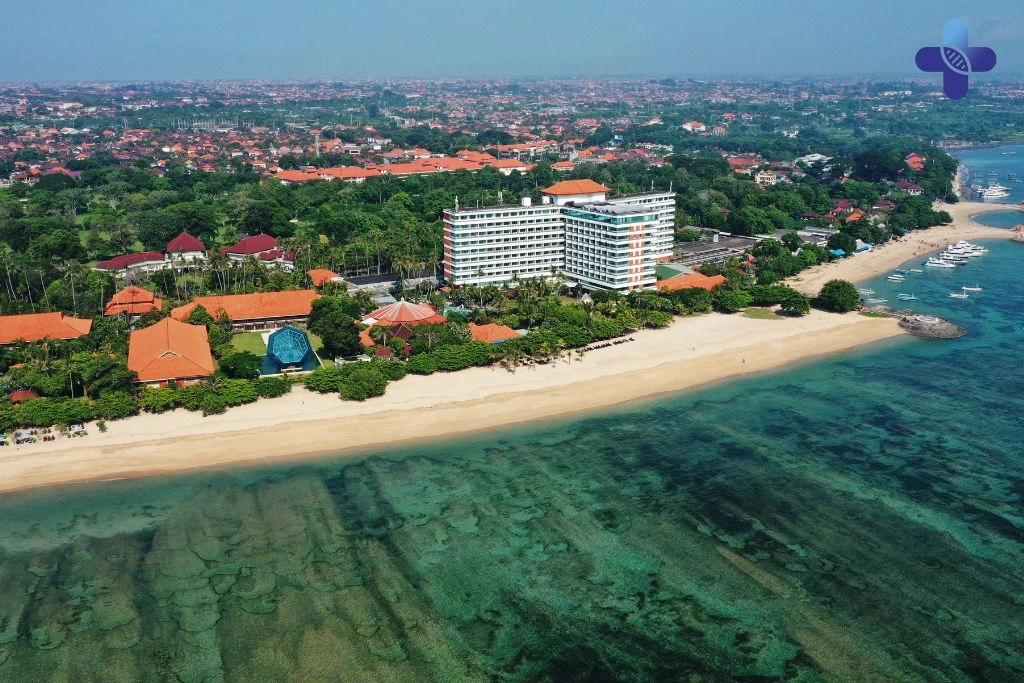
AIDS is the advanced stage of untreated HIV infection. It is not spread through casual contact, and it is not caused by visiting Bali.
For travelers and expats, the most important steps are prevention, regular testing, early diagnosis, and timely medical care.
Symptoms such as persistent fever, night sweats, weight loss, chronic diarrhea, swollen lymph nodes, recurring infections, or fatigue should not be ignored. They also should not be used to self-diagnose AIDS.If you have possible exposure, symptoms, or a long gap since your last test, STD testing in Bali can provide clarity and help guide the next appropriate step.
Frequently Asked Question (FAQ) AIDS in Bali: Awareness & Prevention Guide
What is the difference between HIV and AIDS?
HIV is the virus that attacks the immune system. AIDS is the most advanced stage of untreated HIV infection, when the immune system becomes severely weakened. With early diagnosis and proper treatment, many people living with HIV can stay healthy and may never develop AIDS.
Is AIDS common in Bali?
HIV and AIDS remain public health concerns in Bali. Dinas Kesehatan Provinsi Bali reported 30,366 cumulative HIV cases as of March 2024. This does not mean every traveler is at high risk. Risk depends on exposure history, prevention habits, and testing.
Can I get tested confidentially in Bali?
Yes. Confidential HIV and STD testing is available in Bali through private medical providers.
Life Everyouth Bali offers confidential STD testing in Bali for travelers, expats, and long-stay visitors, with clinic access in Sanur and Jimbaran.
When should I get tested for HIV or STDs?
Testing may be appropriate after unprotected sex, condom failure, unknown partner status, multiple partners, or a long gap since your last test. You should also consider testing if symptoms persist or if you feel uncertain about possible exposure.
Can symptoms confirm AIDS?
No. Symptoms alone cannot confirm AIDS. Fever, fatigue, weight loss, diarrhea, night sweats, and swollen lymph nodes can have many causes. Testing and medical evaluation are needed.
Can Is there a cure for AIDS?
There is currently no cure for HIV. However, HIV can be controlled with antiretroviral therapy. With early diagnosis and consistent treatment, many people living with HIV can live long, healthy lives and avoid progression to AIDS.
Can HIV be prevented?
Yes. HIV can be prevented through safer sex, condom use, regular testing, avoiding shared needles, and preventive medication such as PrEP for people at higher risk. PEP may also help after possible recent exposure if started within 72 hours.
What is PEP and when should I use it?
PEP stands for Post-Exposure Prophylaxis. It is emergency medication taken after possible HIV exposure. It must be started within 72 hours after exposure. A medical provider can advise whether PEP is appropriate.
Can I get home STD testing in Bali?
Yes, home STD testing Bali may be available for selected areas, depending on location and service availability. This can be helpful for travelers staying in villas, hotels, or private residences who want more privacy.
When should I contact a Medical Clinic in Bali?
Contact a Medical Clinic in Bali if you have possible exposure, persistent symptoms, a reactive test result, or uncertainty about which test you need. Medical guidance is especially important if symptoms are severe, recurring, or combined with fever, weight loss, night sweats, or swollen lymph nodes.
