
Travelers and residents may encounter different health considerations, including sexual transmitted diseases in Bali, especially when evaluating testing options. Understanding the difference between STD PCR vs rapid test Bali can help individuals choose a screening method that aligns with their symptoms, exposure timing, and need for diagnostic accuracy.
STD PCR vs. Rapid Test in Bali: Which One Is Right for You?
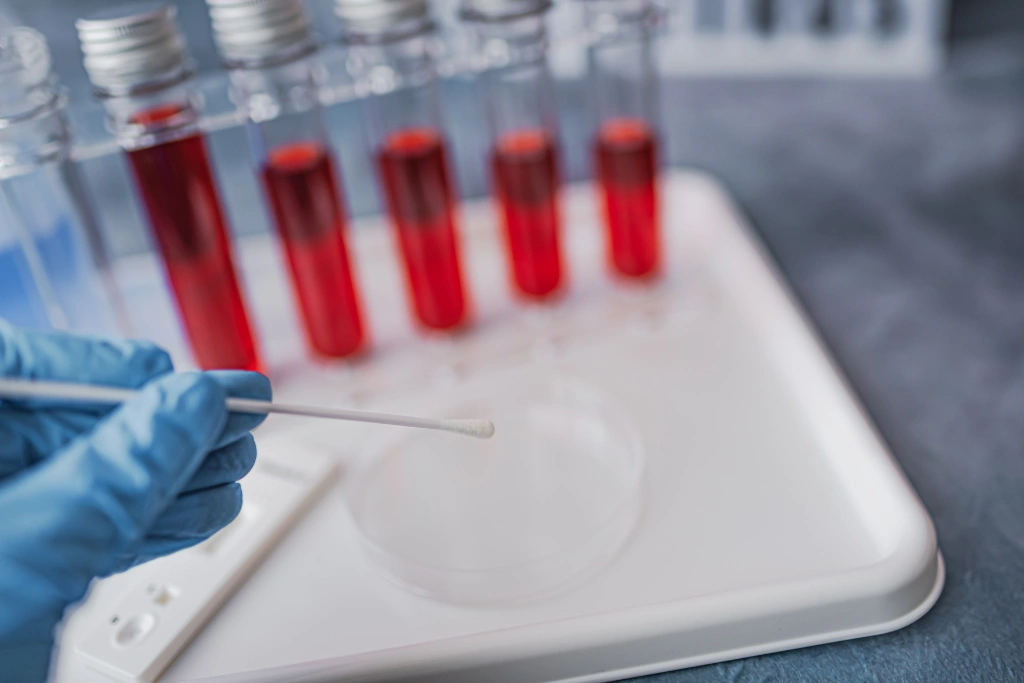
Choosing between PCR and rapid STD testing can feel confusing, especially when both are commonly available. Understanding STD PCR vs rapid test Bali helps clarify which method may be more suitable depending on how quickly you need results and how detailed the diagnosis should be.
In general, rapid tests are used for quicker screening, while PCR testing is often chosen for higher accuracy and broader detection. At Life Everyouth Bali, patients are usually guided through these options during consultation at a Medical Clinic in Bali to ensure the method aligns with their condition.
What Is a Rapid STD Test?
A rapid STD test is a screening method that provides results within a short time, often during the same visit. It is commonly used for infections such as HIV and, in some cases, Syphilis.
Rapid tests typically detect antibodies or antigens rather than the pathogen itself. This means they are useful for screening, but may be less accurate in very early stages of infection.
Rapid testing is often chosen for:
- routine screening without symptoms
- situations where immediate results are needed
- individuals with lower-risk exposure
At a Bali Medical Clinic, this method is often used as an initial step before considering more advanced diagnostics. Life Everyouth Bali may recommend this option when speed and simplicity are the main priorities.
What Is a PCR STD Test?
A PCR STD test is a laboratory-based method that detects the genetic material (DNA or RNA) of infectious organisms. This allows for more precise identification of infections, even in earlier stages.
PCR testing is commonly used for:
Because it identifies the pathogen directly, PCR is generally considered more accurate than rapid testing in many clinical situations.At Life Everyouth Bali, PCR testing is often recommended when symptoms are present or when a more comprehensive evaluation is needed. A Medical Clinic Bali setting typically uses this method when diagnostic clarity is a priority.
Key Differences Between PCR and Rapid Test
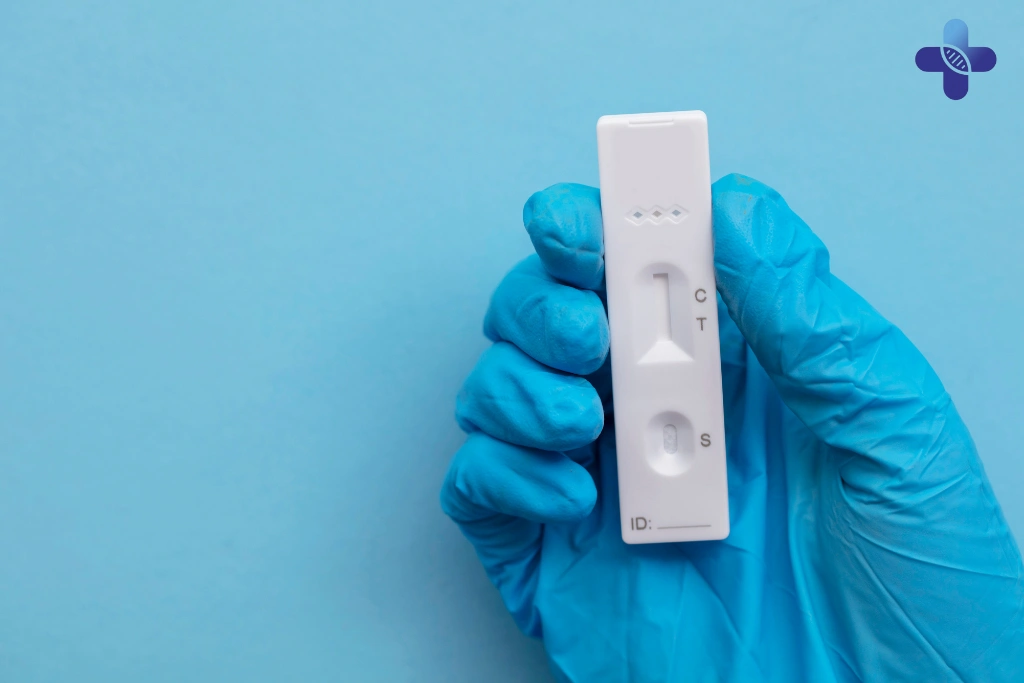
.Both methods serve different purposes, and understanding their differences can help you decide more confidently.
| Aspect | Rapid Test | PCR Test |
| Result Time | 15–30 minutes | 1–2 working days |
| Accuracy | Moderate | High |
| Price | Lower | Higher |
| Coverage | Limited | Broad |
| Use Case | Quick screening | Detailed diagnosis |
In general:
- Rapid tests are more suitable for quick checks
- PCR tests are better for confirmation and deeper analysis
At a Medical Clinic in Bali, both methods are often available so patients can choose based on their needs. Life Everyouth Bali uses this comparison approach during consultation to guide decision-making.
When to Choose a Rapid Test
A rapid test may be appropriate when immediate results are needed and the situation is relatively low-risk.
You Need Immediate Results
Rapid testing provides answers within minutes, making it useful when timing is important. This may apply before travel, before a new relationship, or for quick reassurance.
You’re Asymptomatic but Cautious
If there are no symptoms but you still want to check your status, rapid testing can be a practical first step. It allows for quick screening without going through more complex procedures.
You Prefer Simplicity Before Going Deeper
Some individuals prefer starting with a basic test and only moving to PCR if necessary. This approach can help reduce unnecessary testing while still addressing concerns.
At Life Everyouth Bali, this stepwise approach is often used in a Medical Clinic Bali setting to balance convenience and medical accuracy.
When a PCR Test Is the Better Option
PCR testing becomes more relevant when accuracy and broader detection are needed.
You Have Symptoms of an STD
Symptoms such as unusual discharge, itching, or pain may require more precise diagnosis. PCR testing helps identify the exact cause, which supports appropriate treatment.
You’ve Had High-Risk or Unprotected Sex
After higher-risk exposure, broader screening is often recommended. PCR testing can detect multiple infections that may not be covered in basic rapid screening.
You Want Comprehensive, Early Detection
PCR testing can detect infections even when symptoms have not appeared. This makes it useful for individuals who want a more complete understanding of their health status.A Medical Clinic in Bali may recommend this method when deeper evaluation is clinically necessary. Life Everyouth Bali often suggests PCR for patients seeking more reliable and detailed results.
STD Packages at Life Everyouth Clinic That Use Each Method
Different packages combine rapid and PCR testing depending on the level of screening required.
Rapid-Based Packages
These are typically used for faster screening:
- Basic Package → focuses on HIV rapid test
- Medium Package → adds Gonorrhoea, Trichomonas, Candida
- Comprehensive Package → includes broader rapid panel
These options are generally more accessible and faster to complete.
PCR-Based Packages
These are used for more detailed diagnosis:
- Essential Package → PCR for Chlamydia and Gonorrhoea
- Advanced Package → multi-pathogen PCR panel
- Premium Intimate Package → combines PCR and rapid tests
At Life Everyouth Bali, these packages are often recommended when higher accuracy is needed. A Bali Medical Clinic may guide patients toward these options based on symptoms and exposure.
How to Decide What’s Right for You
Choosing between rapid and PCR testing depends on several factors, including symptoms, timing, and level of concern.
In general:
- rapid testing is suitable for quick screening
- PCR testing is better for confirmation and detailed analysis
If you are unsure, a consultation at a Medical Clinic in Bali can help determine the most appropriate approach. Life Everyouth Bali typically uses this step to align testing with individual needs rather than applying a one-size-fits-all method.
If you want to understand your options more clearly, you may explore std tests in Bali to review available methods, package types, and medical considerations. This can help you choose a testing approach that fits your situation while staying in Bali.
Conclusion STD PCR vs. Rapid Test in Bali – What’s the Difference?

Understanding STD PCR vs rapid test Bali helps simplify the decision between speed and accuracy. Rapid tests are useful for quick screening, while PCR testing provides more detailed and reliable results when needed.
Choosing the right method depends on your personal situation. With proper guidance, both options can support better awareness and timely care.
Frequently Asked Question STD PCR vs. Rapid Test in Bali – What’s the Difference?
What’s the main difference between PCR and rapid STD tests?
PCR tests detect the genetic material of the infection, while rapid tests usually detect antibodies or antigens produced by the body. Because of this, PCR is generally more accurate, especially in early stages of infection when antibodies may not yet be detectable.
Are PCR STD tests available in Bali?
Yes, PCR STD testing is available in Bali at clinics that provide laboratory-based diagnostics and certified processing. At Life Everyouth Bali, PCR testing is included in several packages and performed through a structured process at a Medical Clinic in Bali.
Is a rapid STD test enough for regular screening?
For individuals without symptoms and with low-risk exposure, rapid testing can be sufficient as an initial screening method. However, if there is higher risk or uncertainty, a Medical Clinic Bali may recommend PCR testing for more comprehensive evaluation.
Why is PCR more expensive?
PCR testing requires specialized laboratory equipment and processes to detect the genetic material of pathogens, which increases its accuracy. This additional complexity is why PCR tests are generally priced higher at facilities such as Life Everyouth Bali.
Do rapid tests cover all STDs?
No, rapid tests usually cover only a limited number of infections, such as HIV or Syphilis depending on the package. For broader detection, PCR testing is often needed and is commonly available at a Medical Clinic in Bali.
How long do PCR results take in Bali?
PCR results typically take around 1–2 working days, depending on laboratory processing time and sample collection schedule. At Life Everyouth Bali, patients are informed of the expected timeline during consultation at a Medical Clinic Bali.
Can I start with a rapid test and follow up with PCR?
Yes, many individuals start with a rapid test for quick screening and proceed with PCR testing if further clarification is needed. This stepwise approach is commonly recommended at a Bali Medical Clinic when initial results are not sufficient.
Which packages at Life Everyouth include PCR?
PCR testing is generally included in Essential, Advanced, and Premium Intimate packages for more comprehensive screening. At Life Everyouth Bali, these packages are designed to provide broader detection through services available at a Medical Clinic in Bali.
Is PCR needed if I have no symptoms?
PCR testing is not always required if there are no symptoms, especially in low-risk situations. However, a Medical Clinic Bali may still recommend it in certain cases, such as recent exposure or when more detailed confirmation is needed.
Can I request both test types?
Yes, both rapid and PCR tests can be requested depending on your preference and clinical situation. At Life Everyouth Bali, combined testing options are available through packages provided at a Medical Clinic in Bali.
