
A skin rash after beach day in Sanur can happen for many reasons, including sun exposure, irritation, insects, sea water, sunscreen, or contact with the surrounding environment. If the rash becomes painful, spreads, or appears with other symptoms, speaking with a general practitioner in Sanur can help travelers decide whether medical care is needed.
Skin Rash After Beach Day in Sanur: When to Get Checked
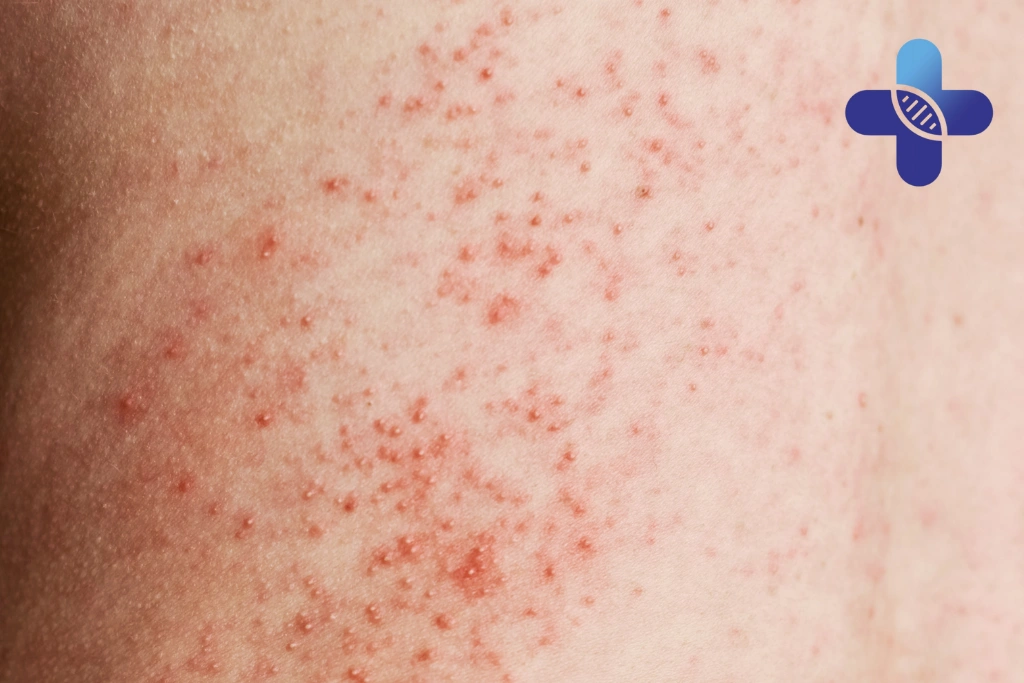
A beach day in Sanur may include swimming, walking along the coast, sitting under the sun, cycling, or relaxing near a hotel pool. Most of the time, these activities are enjoyable and harmless.
But later in the day, some travelers notice red patches, itching, bumps, swelling, or skin that feels warm and irritated. A rash may look minor at first, but it can become worrying when it spreads, becomes painful, or does not improve.
This guide explains skin rash after beach day in Sanur in a calm and practical way. It does not diagnose the cause of a rash, but it helps travelers understand when to monitor symptoms and when medical guidance may be useful.
Why a Rash Can Appear After a Beach Day
Skin can react to many things during beach activities. Sun exposure, sweat, sea water, sunscreen, sand, insects, plants, wet clothing, or friction from walking can all irritate the skin.
Travel also changes routine. A person may spend more time outdoors, use new skincare products, wear different clothing, or swim more often than usual. These changes can make the skin more sensitive.
WHO explains that travel-related health risks can vary depending on the traveler’s health profile, destination, transit, and type of travel. This means skin symptoms should be understood in context, especially when they appear during a trip.
When Skin Irritation Feels Different
Mild redness or itching may improve after avoiding the trigger, keeping the skin clean, and resting indoors. But irritation that becomes painful, swollen, blistered, or widespread should be watched more carefully.
A rash may have several possible causes. It is not safe to assume that every rash after a beach day is only sunburn or allergy without proper assessment.
Common Rash Patterns Travelers May Notice
A rash after outdoor activity may appear as red patches, small bumps, itchy skin, swelling, peeling, or irritated areas where clothing rubs the skin. It may happen on the arms, legs, face, neck, back, feet, or areas exposed to sun and sand.
Some rashes stay in one place. Others spread or change shape. The timing also matters. A rash that appears soon after sun exposure may have a different context from one that appears after insect bites, swimming, or contact with a product.
CDC Yellow Book explains that few traveler skin conditions are medical emergencies, but skin symptoms with fever, altered mental status, certain bleeding-like rashes, or other signs of systemic illness need prompt evaluation.
For a broader activity-related guide, travelers may also read health concerns after beach activities in Sanur.
When a Skin Rash Should Be Checked by a Doctor
A rash should be checked when it is painful, spreading, severe, or not improving after basic care. It should also be assessed when it affects sleep, daily activities, the face, eyes, mouth, or genitals.
Mayo Clinic advises seeing a healthcare provider when dermatitis is painful, affects sleep or daily activities, shows signs of infection, or continues despite self-care. It also notes that immediate care is needed when fever appears with a rash that looks infected.
For travelers, medical guidance may be especially helpful when the rash appears during a short stay and there is limited time to observe it. A GP can examine the skin and help decide whether treatment, monitoring, or referral is needed.
Signs That Should Not Be Ignored
A rash that becomes rapidly worse, very painful, hot, swollen, or produces pus should be taken seriously. Skin changes with fever, dizziness, fainting, breathing difficulty, facial swelling, or severe weakness should not be delayed.
These symptoms do not confirm one specific condition. They simply mean a medical professional should assess the situation promptly.
Rash, Insect Bites, and Outdoor Exposure
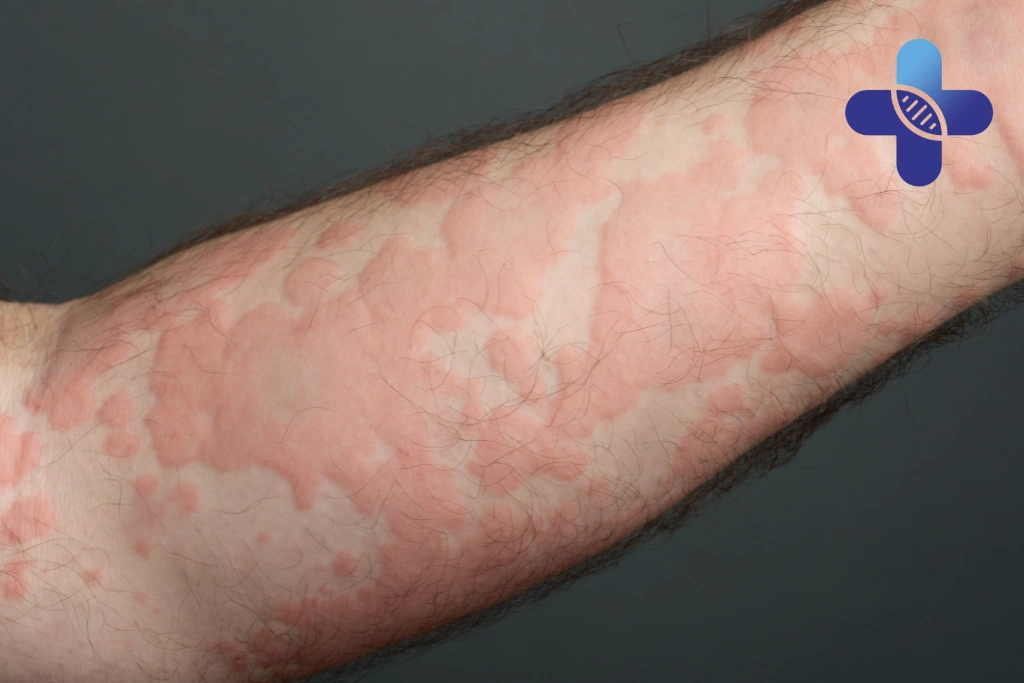
Insects are part of many tropical outdoor settings. Around beach areas, gardens, restaurants, and evening walks, travelers may notice bites that become itchy, red, or swollen.
Most insect bites are mild. However, swelling that keeps increasing, spreading redness, pain, warmth, pus, or fever should be checked. Scratching can also break the skin and increase irritation.
If a rash appears after contact with an unfamiliar animal, or if there is a bite or scratch, the situation should be handled differently. CDC advises travelers in Indonesia to seek immediate medical attention after being bitten, scratched, or licked by a wild or unfamiliar animal because rabies is a serious risk if not treated before symptoms begin.
For bite-related symptoms, a supporting topic such as insect bite swelling in Sanur can guide readers more specifically.
What a Doctor May Ask During a Rash Consultation
A doctor may ask when the rash started, where it first appeared, whether it is spreading, and whether it is painful or itchy. The doctor may also ask about swimming, sun exposure, sunscreen, insect bites, new skincare products, medication, allergies, and recent illness.
The skin may be examined directly. The doctor may also check for fever, swelling, signs of infection, or symptoms that suggest the rash needs closer attention.
Depending on the assessment, the doctor may suggest self-care, medication, follow-up, further testing, or referral. The goal is to avoid guessing and make a safer decision based on the actual symptoms.
How to Reduce Skin Irritation During a Sanur Stay
For mild irritation, travelers often start by staying out of direct sun, avoiding scratching, wearing loose clothing, and keeping the area clean and dry. This may help reduce discomfort while the rash is being monitored.
It is also helpful to avoid applying many new products at once, because that can make it harder to know what triggered the irritation. If the rash worsens after using a product, travelers should stop using it and seek medical advice if symptoms continue.
This section should remain general. It should not give specific medication instructions, because the right treatment depends on the cause and examination.
Before Applying Medication
Travelers should be careful with unfamiliar creams, antibiotics, or steroid products. Some skin problems can worsen if the wrong product is used.
A medical consultation may be useful when the rash is unclear, spreading, or not improving. A doctor can help decide what type of care is appropriate.
Seeing a Doctor in Sanur for Skin Rash
For visitors staying near Sanur Beach, Mertasari, Sindhu, or the Danau Toba area, nearby medical access can make it easier to get a rash checked before it worsens or disrupts travel plans.
Life Everyouth Healthcare lists its Sanur location at Jl. Danau Toba No.10b, Sanur, Denpasar Selatan, Bali. The provider also states that it offers healthcare services for both residents and visitors in Bali.
Life Everyouth Bali can be introduced as a Medical Clinic in Bali for travelers and residents who need non-emergency medical consultation in the Sanur area. The article should remain educational and avoid promising instant relief or guaranteed results.
Need Medical Guidance for a Rash in Sanur?
If a rash is spreading, painful, persistent, infected-looking, or difficult to understand after beach activities, medical consultation can help clarify the next step.
Life Everyouth Bali provides access to GP consultation for travelers and residents who need first-line medical guidance in Sanur. For service details, readers can continue to be a general practitioner in Bali.
A GP consultation may help assess the rash, review possible triggers, provide medical advice, and guide whether follow-up or referral is needed.
Conclusion – Skin Rash After a Beach Day in Sanur: When to Get Checked

A skin rash after beach day in Sanur can be caused by many different exposures, including sun, sweat, sea water, insects, sand, skincare products, or contact with the environment. Some rashes are mild and improve with basic care, but others need medical attention.
Travelers should be more cautious when a rash spreads, becomes painful, shows signs of infection, appears with fever, or affects daily activities. In these situations, medical guidance can reduce uncertainty and help prevent unsafe self-treatment.
For travelers who need professional support during their stay, general practitioner in Bali can be introduced as a practical next step through Life Everyouth Bali.
Frequently Asked Questions (FAQs) – Skin Rash After a Beach Day in Sanur: When to Get Checked
Why did I get a rash after a beach day in Sanur?
A rash after a beach day may be related to sun exposure, sweat, sea water, sunscreen, sand, insects, plants, friction, or a new product used during travel. The exact cause cannot be confirmed without proper assessment.
Is a beach-related skin rash always serious?
No. Many rashes are mild and may improve with basic care. However, a rash that spreads, becomes painful, looks infected, or appears with fever should be checked by a medical professional.
When should I see a doctor for a rash in Sanur?
You should consider seeing a doctor if the rash is severe, widespread, painful, worsening, affects sleep or daily activities, involves the face or eyes, or does not improve with basic care.
Can insect bites cause a rash after beach activities?
Yes. Insect bites can cause redness, itching, swelling, or irritated bumps. Medical advice may be needed if swelling increases, redness spreads, pain worsens, pus appears, or fever develops.
Should I worry if a rash appears with fever?
A rash with fever should be taken more seriously, especially if the rash looks infected, spreads quickly, or appears with weakness, confusion, dizziness, or other concerning symptoms. Medical evaluation is recommended.
Can sunscreen or skincare products cause a rash?
Some travelers may react to new sunscreen, lotion, insect repellent, or skincare products. If symptoms begin after using a new product, stop using it and seek medical advice if the rash continues or worsens.
Can Life Everyouth Bali help with skin rash in Sanur?
Life Everyouth Bali can be considered as a local healthcare option for travelers and residents who need GP consultation for skin concerns in the Sanur area. The consultation may help assess symptoms and guide next steps.
Is doctor on call suitable for a skin rash in Sanur?
Doctor on call may be suitable for selected cases when a traveler is uncomfortable leaving a hotel, villa, or private residence. Availability depends on condition, location, schedule, and medical suitability.
Can an English-speaking doctor help explain my rash symptoms?
Many international travelers prefer English-speaking medical support because it can make it easier to explain when the rash started, what products were used, allergies, medication history, and recent activities. Life Everyouth Bali or another Medical Clinic in Bali may help with clearer communication.
When should I seek urgent care for a rash?
Urgent care may be needed if the rash appears with breathing difficulty, facial swelling, fainting, confusion, severe pain, rapidly spreading skin changes, signs of infection, fever, or exposure from an animal bite or scratch.
