
When Chest Pain in Bali happens during a holiday, it can be difficult to know whether symptoms are mild, stress-related, digestive, muscular, or more serious. For broader medical transport guidance, Ambulance in Bali explains when emergency ambulance, patient transfer, or supported movement may be needed during urgent symptoms.
Chest Pain in Bali: When Travelers May Need Ambulance Support During a Holiday
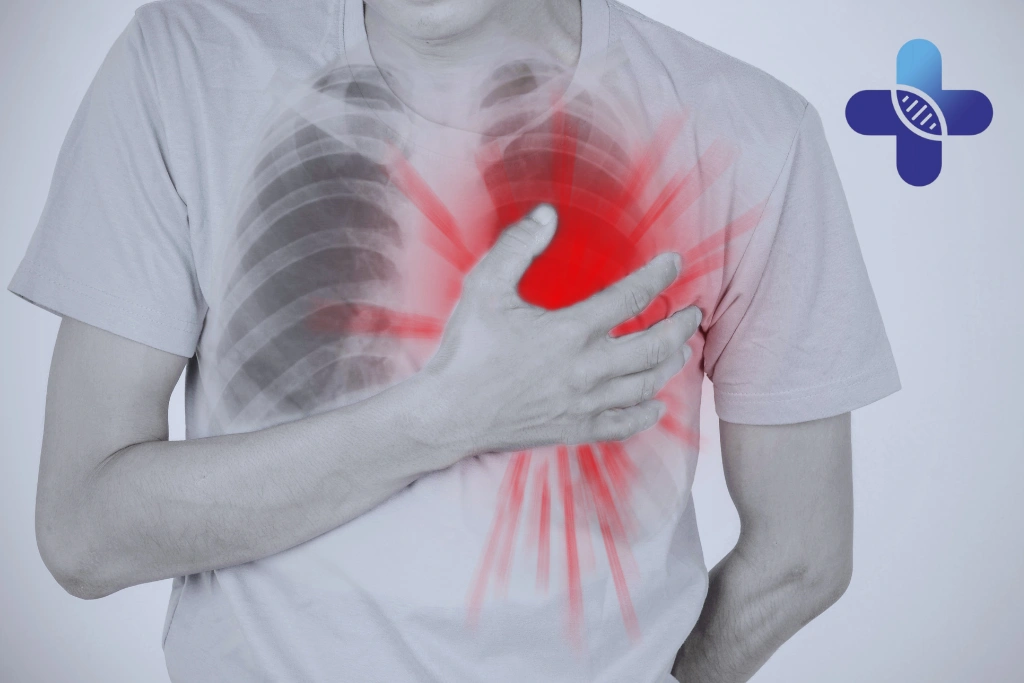
Chest pain during travel should never be ignored, especially when it feels new, strong, persistent, or appears with other concerning symptoms.
A traveler may feel chest pressure after walking in heat, discomfort after eating, shortness of breath at a villa, or sudden tightness while resting. It is not always possible to tell the cause without medical assessment.
Chest Pain in Bali may need ambulance support when the patient is short of breath, faint, sweaty, confused, severely weak, in worsening pain, or unsafe to move by ordinary transport.
Life Everyouth Bali supports travelers through clinic access in Sanur and Jimbaran, with ambulance-related coordination depending on patient condition, urgency, exact location, route, destination, and availability.
Why Chest Pain Should Be Taken Seriously
Chest pain can have many possible causes. Some are less urgent. Others may need immediate medical attention.
The concern is not only the pain itself, but the pattern around it. New chest pressure, chest tightness, pain with breathing difficulty, pain spreading to the arm or jaw, or chest discomfort with fainting should be assessed promptly.
CDC lists heart attack symptoms as including chest pain or discomfort, shortness of breath, pain in the jaw, neck, back, arm, or shoulder, nausea, light-headedness, and unusual tiredness.
This does not mean every chest pain is a heart attack. It means travelers should avoid guessing when symptoms are concerning.
When Ambulance Support May Be Needed
Chest pain may need urgent medical transport if the patient is unstable, difficult to move, or showing symptoms that may worsen during travel.
Chest Symptoms That Need Prompt Attention
Consider ambulance support if chest pain appears with:
- shortness of breath or difficulty breathing
- pain, pressure, tightness, squeezing, or heaviness in the chest
- pain spreading to the jaw, neck, back, shoulder, or arm
- fainting, collapse, dizziness, or reduced alertness
- cold sweat, nausea, vomiting, or unusual tiredness
- fast, irregular, or concerning heartbeat sensation
- severe weakness or inability to sit or stand safely
- symptoms that are new, intense, persistent, or worsening
These signs do not confirm a diagnosis. They suggest the patient should be assessed urgently.
For symptom-based decision guidance, readers may continue with when to call an ambulance in Bali.
Do Not Drive or Rush the Patient Into a Car
When someone has chest pain, it can feel faster to use a taxi, scooter, or private driver. That may not be safe if the patient becomes weaker, breathless, faint, or less alert during the journey.
The American Red Cross advises calling emergency medical services immediately if someone may be having a heart attack and says not to drive the person to the hospital yourself.
In Bali, this matters because transport may involve traffic, narrow roads, hotel access, villa gates, or long travel distances between tourist areas.
If symptoms are serious or unclear, medical guidance should come before ordinary transport.
Chest Pain at a Hotel, Villa, Restaurant, or Beach Area

Chest pain can happen anywhere during a trip. The patient may be in a hotel room, private villa, restaurant, beach club, airport route, retreat venue, or after returning from outdoor activity.
The location affects coordination. A team may need the exact room number, villa name, floor, gate, nearest landmark, map pin, parking access, or someone who can guide support to the patient.
If the patient is short of breath, faint, sweaty, confused, or unable to walk safely, avoid forcing them to move to the lobby, gate, or car unless there is immediate danger.
For accommodation-related pickup situations, readers may review ambulance from hotel or villa in Bali.
Chest Pain After Activity, Heat, or Travel Stress
Travel can change the body’s usual rhythm. Heat, long flights, dehydration, alcohol, sleep disruption, stress, outdoor activity, and unfamiliar food may make symptoms harder to interpret.
Do not assume chest pain is only tiredness, anxiety, indigestion, or muscle strain during travel.
If chest symptoms are new, persistent, severe, or appear with breathing difficulty, fainting, sweating, nausea, weakness, or pain spreading to the arm, jaw, neck, or back, seek urgent medical guidance.
The safest decision is based on symptoms and stability, not on guessing the cause.
What to Prepare Before Requesting Help
Clear information can help medical support understand the situation and plan the next step.
Details That Help Medical Guidance
Prepare:
- exact location, map pin, hotel or villa name, room number, gate, or landmark
- patient’s age and main symptoms
- when chest pain started and whether it is worsening
- whether there is shortness of breath, sweating, nausea, fainting, or dizziness
- whether pain spreads to the arm, shoulder, jaw, neck, or back
- whether the patient is conscious and breathing normally
- whether the patient can sit, stand, walk, or move safely
- known heart disease, high blood pressure, diabetes, medications, or allergies
- passport and travel insurance details if available
- contact person who can stay with the patient
Do not delay urgent help just to collect documents.
Public Emergency Access and Private Ambulance Support
Indonesia has public emergency access through PSC 119. Kemenkes describes PSC 119 as a quick-response emergency health service for critical situations beyond traffic accidents.
Travelers may also use private ambulance support, clinic coordination, hotel assistance, hospital referral, or insurance support depending on the situation.
WHO describes emergency care systems as including care at the scene of illness or injury, during transport, and through emergency unit care. This supports treating ambulance transport as part of the care pathway when symptoms are urgent or unsafe to move.
Need Ambulance Support for Chest Pain in Bali?
If someone has chest pain with breathing difficulty, fainting, sweating, nausea, severe weakness, confusion, worsening pain, or unsafe movement, medical guidance can help determine whether ambulance support, clinic care, hospital referral, or patient transfer is more appropriate.
Life Everyouth Bali provides Ambulance Service in Bali, with clinic access in Sanur and Jimbaran and coordination depending on patient condition, location, destination, and availability. For ambulance support, contact +6285887888911.
Conclusion: Chest Pain in Bali Ambulance Guide

Chest Pain in Bali should be taken seriously when symptoms are new, persistent, worsening, or appear with shortness of breath, fainting, sweating, nausea, weakness, confusion, or pain spreading to the arm, jaw, neck, back, or shoulder.
A taxi may be reasonable only when symptoms are clearly mild and the patient is stable, alert, and able to travel safely. When chest symptoms are urgent or unclear, ambulance support may be safer than ordinary transport.
Life Everyouth Bali, Bali Medical Clinic, and a Medical Clinic in Bali may help guide the next step depending on symptoms, urgency, location, and patient stability.
Frequently Asked Questions (FAQs): Chest Pain in Bali Ambulance Guide
Should I call an ambulance for chest pain in Bali?
Consider ambulance support if chest pain is severe, new, persistent, worsening, or appears with shortness of breath, fainting, sweating, nausea, weakness, confusion, or pain spreading to the arm, jaw, neck, back, or shoulder.
Is chest pain during travel always serious?
Not always, but it should not be ignored. Chest pain can have many causes, and serious symptoms need prompt medical assessment.
Can I take a taxi to the hospital for chest pain?
A taxi may be unsafe if the patient is short of breath, faint, sweaty, confused, severely weak, or worsening. Seek medical guidance before using ordinary transport.
What symptoms with chest pain are concerning?
Breathing difficulty, fainting, dizziness, sweating, nausea, vomiting, weakness, confusion, irregular heartbeat, or pain spreading to the arm, jaw, neck, back, or shoulder are concerning.
What should I do while waiting for ambulance support?
Keep the patient calm, avoid unnecessary movement, prepare location details, keep the phone reachable, and ask someone to guide support to the patient.
Can Life Everyouth Bali help with chest pain during a holiday?
Life Everyouth Bali may help travelers understand whether ambulance support, clinic care, hospital referral, or patient transfer is more appropriate. For ambulance support, contact +6285887888911.
Does Life Everyouth Bali have clinic access in all Bali areas?
Life Everyouth Bali has clinic access in Sanur and Jimbaran. For other Bali areas, ambulance-related coordination depends on patient condition, route, destination, and availability.
What information should I prepare before asking for help?
Prepare the exact location, patient age, when symptoms started, chest pain pattern, breathing status, fainting or sweating, medical history, medications, allergies, and a reachable contact number.
Can Bali Medical Clinic or a Medical Clinic in Bali help after chest pain symptoms?
Bali Medical Clinic or a Medical Clinic in Bali may help with assessment, referral planning, documentation, or follow-up guidance depending on urgency and patient condition.
Should I contact insurance before ambulance support?
Insurance may help with documentation or payment guidance, but urgent medical help should not be delayed when chest pain is serious, worsening, or movement is unsafe.
