
Eye redness, itching, watering, or discomfort can feel distracting during a coastal stay, especially after swimming, wind, sunscreen, dust, or long outdoor days. Understanding eye irritation in Sanur can help travelers decide when simple monitoring may be enough and when speaking with a general practitioner in Sanur may be the safer next step.
Eye Irritation in Sanur: When Redness or Discomfort Should Be Checked
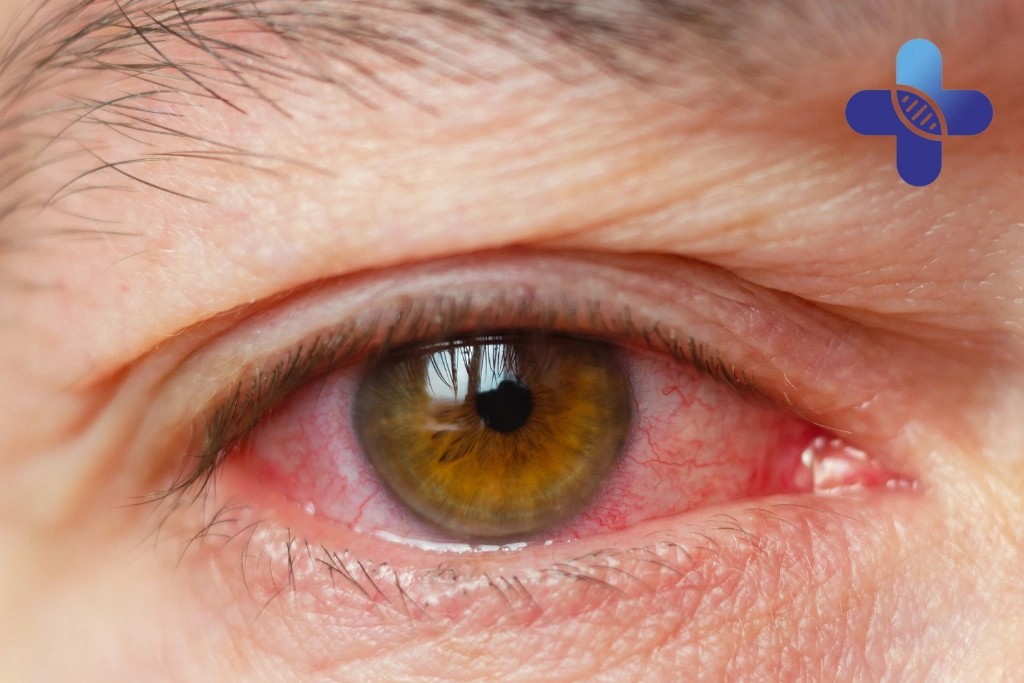
A day in Sanur may include beach walks, swimming, cycling, boat trips, or time outdoors near the coast. These activities are enjoyable, but they can also leave the eyes feeling dry, itchy, red, watery, or sensitive.
For travelers, eye discomfort can be difficult to judge. It may be caused by irritation, allergies, dryness, infection, contact lens issues, or something that needs closer medical assessment.
This guide explains eye irritation in Sanur in a calm and practical way. It does not diagnose the cause, but it can help tourists, expats, families, and long-stay visitors understand when eye symptoms should be checked.
Why Eye Irritation Can Happen During a Sanur Stay
The eyes can react to many travel-related exposures. Wind, sand, sunscreen, sea water, pool water, dust, air-conditioning, poor sleep, and contact lens use may all make the eyes feel uncomfortable.
Travel can also make small symptoms harder to interpret. A traveler staying near Sanur Beach or Mertasari may notice mild redness after swimming, while another person may feel burning or watering after a full day outdoors.
CDC notes that common signs of conjunctivitis can include eye redness, swelling, tearing, discharge, itching, irritation, burning, or the feeling that something is in the eye. These symptoms can vary depending on the cause, so they should not be self-diagnosed.
When Irritation Feels Different From Normal Discomfort
Temporary eye discomfort may improve after resting indoors, avoiding rubbing, or removing an obvious irritant. But symptoms that continue, worsen, or affect vision should be taken more seriously.
This is especially important for contact lens users, children, older travelers, or people with existing eye conditions. In these cases, a medical review may be safer than guessing the cause.
Common Eye Symptoms Travelers May Notice
Eye irritation may appear as redness, watery eyes, itching, burning, swelling, crusting, discharge, sensitivity to light, or a gritty feeling. Some travelers may also feel like something is stuck in the eye.
The pattern matters. Mild watery irritation after wind may be different from thick discharge, severe pain, or blurred vision. A doctor can assess the eye and help decide whether the symptom is likely to need treatment, monitoring, or referral.
For travelers dealing with broader outdoor symptoms, health concerns after beach activities in Sanur can support the bigger travel-health context without replacing a direct eye assessment.
When Eye Irritation Should Be Checked by a Doctor
Eye symptoms should be checked when they do not improve, keep returning, or become more uncomfortable. They should also be assessed if redness is intense, discharge appears, swelling increases, or the eye becomes painful.
CDC advises seeing a healthcare provider for pink eye symptoms when there is eye pain, light sensitivity, blurred vision that does not improve after discharge is cleared, intense redness, symptoms that worsen or do not improve, or a weakened immune system.
A GP can help assess whether the issue may need eye drops, medication guidance, follow-up care, or referral to an eye specialist. The correct next step depends on the symptoms and examination.
Vision Changes Should Not Be Ignored
Vision changes are an important warning sign. Mayo Clinic advises seeking immediate medical care if red eye occurs with sudden vision changes, bad headache, eye pain, fever, or light sensitivity.
Travelers should not wait if eye symptoms are severe, rapidly worsening, or affecting the ability to see clearly. In those situations, urgent medical care may be more appropriate than routine consultation.
Beach, Pool, and Contact Lens Factors
Sanur’s coastal setting can expose the eyes to sea water, pool water, wind, sand, sunscreen, and bright sunlight. These factors may irritate the eyes, especially after long outdoor days.
Contact lens users should be extra cautious. Eye discomfort with contact lenses can become more concerning if there is redness, pain, discharge, or blurred vision. A doctor can help assess whether lenses should be avoided temporarily and whether further care is needed.
This article should not give personal contact lens instructions. Travelers with eye pain, vision changes, or worsening symptoms should seek medical guidance rather than trying to manage the issue alone.
What a GP May Ask During an Eye Consultation

During a consultation, a GP may ask when the eye irritation started, whether one or both eyes are affected, and whether symptoms followed swimming, beach activity, sunscreen exposure, contact lens use, or rubbing the eye.
The doctor may also ask about discharge, pain, light sensitivity, blurred vision, allergies, medication use, previous eye problems, and whether anyone nearby has similar symptoms.
A physical examination may help determine whether the traveler needs basic care advice, medication when appropriate, closer follow-up, or referral. For process-related guidance, readers can refer to medical consultation in Sanur when that supporting article is available.
Why Clear Symptom History Helps
Eye symptoms can look similar even when the causes are different. Telling the doctor what happened before irritation started can help guide the assessment.
Photos taken earlier may also help show whether redness, swelling, or discharge has changed over time. This can be useful when symptoms come and go.
Seeing a Doctor for Eye Irritation with Life Everyouth Bali
For travelers and residents staying around Sanur, Life Everyouth Bali can be introduced as a local healthcare option for non-emergency medical consultation. Life Everyouth Healthcare states that it operates in Sanur, Denpasar, and Jimbaran, serving both tourists and residents in Bali.
A GP consultation may help assess eye redness, irritation, swelling, discharge, or discomfort and guide whether treatment, follow-up, or referral is needed.
The article should stay educational. Life Everyouth Bali should not be described as a guaranteed solution for every eye problem, because some eye conditions may require specialist or urgent care.
Need Medical Guidance for Eye Irritation in Sanur?
If eye redness, itching, watering, swelling, discharge, pain, or blurred vision is persistent, worsening, or difficult to understand, medical consultation can help clarify the safest next step.
Life Everyouth Bali provides access to GP consultation for travelers and residents who need first-line medical guidance in Sanur. For service details, readers can continue to be a general practitioner in Bali.
A GP consultation may help assess symptoms, review possible triggers, provide treatment guidance when appropriate, and recommend follow-up or referral if needed.
Conclusion – Eye Irritation in Sanur: When to See a Doctor

Eye discomfort during travel can feel minor at first, but symptoms should be watched carefully when they persist, worsen, or affect vision. Wind, sand, swimming, sunscreen, contact lenses, allergies, and infections may all play a role, but the cause cannot be confirmed without assessment.
Understanding eye irritation in Sanur can help travelers respond calmly and avoid unsafe self-diagnosis. Redness, discharge, pain, light sensitivity, or blurred vision should be taken seriously, especially when symptoms are changing.
For travelers who need professional support during their stay, general practitioner in Bali can be introduced as a practical next step through Life Everyouth Bali.
Frequently Asked Questions (FAQs) – Eye Irritation in Sanur: When to See a Doctor
What can cause eye irritation during a Sanur stay?
Eye irritation during a Sanur stay may be related to wind, sand, sea water, pool water, sunscreen, dust, air-conditioning, allergies, contact lens use, or infection. The cause cannot always be identified without medical assessment.
Is red eye after swimming always serious?
No. Mild redness after swimming may improve, but a red eye that persists, becomes painful, produces discharge, or affects vision should be checked by a medical professional.
When should I see a doctor for eye irritation in Sanur?
You should consider seeing a doctor if eye irritation does not improve, worsens, becomes painful, causes light sensitivity, produces discharge, or affects your vision.
Can a GP help with eye redness or itching?
Yes. A GP can assess eye redness, itching, watering, swelling, discharge, or discomfort and advise whether treatment, monitoring, follow-up, or referral may be needed.
Should contact lens users be more careful with eye irritation?
Yes. Contact lens users should be more cautious if irritation appears with redness, pain, discharge, or blurred vision. Medical guidance is recommended because some contact lens-related eye problems need prompt care.
Can eye irritation spread to other people?
Some causes of eye irritation, such as certain types of conjunctivitis, can be contagious. Good hand hygiene and avoiding shared towels or eye products may help reduce spread, but medical advice is important when symptoms are unclear.
Can Life Everyouth Bali help with eye irritation in Sanur?
Life Everyouth Bali can be mentioned as a local healthcare option for travelers and residents who need GP consultation in the Sanur area. A consultation may help assess symptoms and guide the next step.
Is doctor on call suitable for eye irritation?
Doctor on call may be suitable for selected non-emergency cases when a traveler feels unable to leave a hotel, villa, or private residence. Suitability depends on symptoms, location, schedule, and availability.
What should I prepare before seeing a doctor for eye irritation?
Prepare information about when symptoms started, whether one or both eyes are affected, contact lens use, swimming or beach exposure, discharge, pain, blurred vision, allergies, medication use, and previous eye problems.
When is eye irritation urgent?
Eye irritation may need urgent care if there is sudden vision change, severe eye pain, light sensitivity, bad headache, fever, eye injury, chemical exposure, or rapidly worsening redness and swelling.
