
Beach days can make a Sanur stay feel relaxing, but sun, sea water, walking, swimming, insects, and small injuries may sometimes lead to unexpected symptoms. Understanding health concerns after beach activities in Sanur can help travelers decide when rest is enough and when speaking with a general practitioner in Sanur may be the safer next step.
Health Concerns After Beach Activities in Sanur

Sanur is closely associated with slow beach walks, calm coastal views, swimming, cycling, and outdoor family activities. For many travelers, these are the best parts of staying in the area.
But after a long day near the beach, the body may feel different. Skin may become red or itchy. An ear may feel blocked after swimming. A small cut may become uncomfortable. Some travelers may feel more tired than expected after sun exposure, heat, or long hours outdoors.
This article explains common health concerns after beach activities in Sanur in a practical and medically responsible way. It does not diagnose symptoms, but it can help tourists, expats, and families understand when a symptom may need medical guidance.
Why Beach Activities Can Affect How You Feel
Beach activities can place different demands on the body. Warm weather, salt water, swimming, outdoor walking, and longer sun exposure may affect the skin, ears, hydration, and energy level.
WHO explains that travel-related health risks can vary depending on the traveler’s health profile, destination, transit, and type of travel. This is why symptoms during a trip should be understood in context rather than dismissed automatically.
A traveler staying near Sanur Beach or Mertasari may feel well during the day, then notice discomfort later at a hotel or villa. This does not always mean something serious, but symptoms that persist or worsen should be watched carefully.
When Normal Travel Tiredness Feels Different
After beach activities, tiredness may come from heat, walking, poor sleep, or a full travel schedule. In many cases, rest, fluids, and a slower evening may help.
However, tiredness that feels unusual, keeps getting worse, or appears with other symptoms may need closer attention. This is especially important for children, older travelers, pregnant travelers, or people with existing medical conditions.
Skin Changes After a Beach Day
Skin symptoms are common after time outdoors. Redness, itching, irritation, swelling, or a new rash may appear after sun exposure, contact with sand, sea water, sunscreen, insects, or plants.
Mild irritation may improve with basic care, but skin changes should not be ignored if they spread, become painful, blister, or appear with fever or swelling. A rash can have many causes, so self-diagnosis is not reliable.
Travelers who want more focused guidance can refer to skin rash after beach day in Sanur when that supporting article is available. This article should stay focused on beach-related health concerns overall, not only skin symptoms.
Sun Exposure and Irritated Skin
Sun exposure may cause redness, warmth, tenderness, or peeling. Some people may also feel tired after long hours outdoors.
A doctor may be helpful if the skin is severely painful, blistering, infected-looking, or paired with dizziness, weakness, or feeling very unwell. This is especially important when symptoms affect a child or older traveler.
Ear Discomfort After Swimming
Swimming can sometimes leave the ear feeling blocked, painful, itchy, or sensitive. This may happen after time in sea water or pools, especially when moisture remains in the ear.
Ear discomfort after swimming is not always serious. Still, pain that worsens, reduced hearing, discharge, fever, or symptoms that continue for more than a short period should be assessed by a medical professional.
A GP can examine the ear and advise whether treatment, monitoring, or referral is needed. For a more specific guide, ear pain after swimming in Sanur can be linked when published.
Small Cuts, Scrapes, and Foot Injuries
Beach activities can lead to minor cuts, scratches, blisters, or foot discomfort. These may happen while walking on sand, rocks, beach paths, wet surfaces, or during casual outdoor activities.
A small wound may look harmless at first. It should be checked if it becomes more painful, red, swollen, warm, or produces discharge. Wounds should also be taken seriously when the traveler has diabetes, reduced immunity, or circulation problems.
Animal bites and scratches require special caution. CDC advises travelers in Indonesia to seek immediate medical attention after being bitten, scratched, or licked by a wild or unfamiliar animal because of rabies risk.
For related wound-specific guidance, minor wound care in Sanur can support readers who need a more focused article.
Insect Bites Around Beach and Outdoor Areas
Insects are part of many tropical outdoor environments. After beach walks, sunset dining, or time near gardens and water areas, some travelers may notice bites, itching, redness, or swelling.
Most bites are mild, but swelling that increases, pain that worsens, pus, spreading redness, fever, or feeling generally unwell should be assessed. Travelers should also avoid scratching bites because broken skin may become irritated or infected.
CDC’s Indonesia traveler guidance includes mosquito-related precautions and also emphasizes seeking medical attention after unfamiliar animal exposure. Travelers should avoid assuming that a bite-related symptom has a specific cause without medical assessment.
For a more specific symptom pathway, insect bite swelling in Sanur may be used as a supporting topic in this cluster.
When Beach-Related Symptoms Need Medical Guidance

Not every beach-related symptom needs a clinic visit. Mild tiredness, minor skin irritation, or temporary discomfort may improve with rest, fluids, and observation.
Medical guidance may be useful when symptoms persist, worsen, return after seeming better, or interfere with normal activities. It may also be important when symptoms involve severe pain, spreading skin changes, repeated vomiting, fainting, breathing difficulty, signs of dehydration, or a wound that looks infected.
CDC Yellow Book notes that ill travelers may present with syndromes such as fever, respiratory symptoms, gastrointestinal illness, and dermatologic complaints. This supports taking persistent or concerning travel symptoms seriously without jumping to a diagnosis.
A GP consultation can help clarify whether the next step should be home care, medication guidance, follow-up, testing, or referral.
Before You Decide to Wait
Waiting may be reasonable when symptoms are mild and clearly improving. But waiting becomes less safe when symptoms are changing quickly or affecting basic activities such as walking, eating, sleeping, or staying hydrated.
For travelers away from their usual doctor, uncertainty itself can be stressful. In that situation, medical consultation may help reduce guesswork.
Seeing a Doctor in Sanur After Beach Activities
A doctor may ask what activity happened before the symptoms started. This may include swimming, walking barefoot, sun exposure, insect bites, contact with animals, new sunscreen, food intake, or a recent injury.
The consultation may include a physical examination. The doctor may check the skin, ear, wound, hydration status, temperature, pain location, or general condition depending on the symptoms.
Life Everyouth Healthcare states that it operates in Sanur and Jimbaran, and its Sanur clinic serves nearby areas including Mertasari Beach and Sindhu Beach. This supports the local context for travelers seeking medical help around Sanur.
Life Everyouth Bali can be mentioned naturally as a Medical Clinic in Bali for travelers and residents who need non-emergency medical consultation in the Sanur area.
Need Medical Guidance After Beach Activities in Sanur?
If symptoms after beach activities are persistent, worsening, unclear, or affecting your ability to continue your stay safely, medical consultation can help clarify the next step.
Life Everyouth Bali provides access to GP consultation for travelers and residents who need first-line medical guidance in Sanur. For service details, readers can continue to be a general practitioner in Bali.
A GP consultation may help assess beach-related symptoms, provide medical advice, review wounds or skin changes, and guide whether follow-up or referral may be needed.
Conclusion – Health Concerns After Beach Activities in Sanur
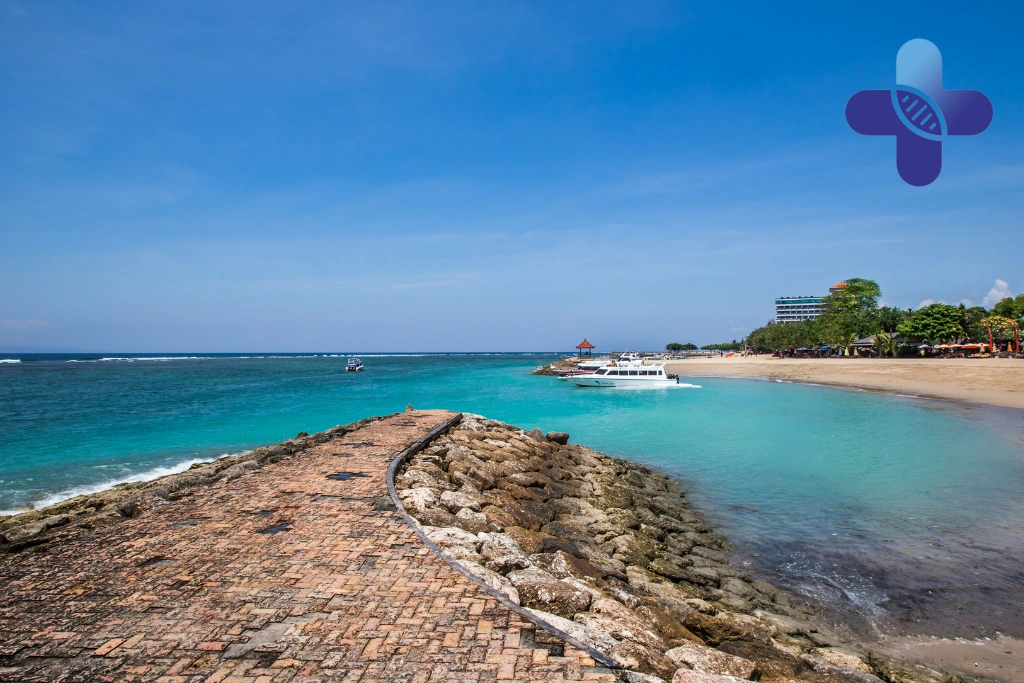
Beach activities are part of what makes Sanur enjoyable, but they can sometimes lead to symptoms that are difficult to judge. Skin irritation, ear discomfort, insect bites, minor wounds, and unusual tiredness may improve with basic care, but they should be watched if they persist or worsen.
Understanding health concerns after beach activities in Sanur can help travelers respond more calmly and safely. A symptom does not need to feel dramatic before medical guidance becomes useful.
For travelers who need professional support during their stay, general practitioner in Bali can be introduced as a practical next step through Life Everyouth Bali.
Frequently Asked Questions (FAQs) – Health Concerns After Beach Activities in Sanur
What health concerns can happen after beach activities in Sanur?
Travelers may notice skin redness, itching, rash, insect bites, ear discomfort after swimming, minor cuts, foot irritation, sun-related fatigue, or general discomfort after long hours outdoors. These symptoms have many possible causes and should be assessed if they persist or worsen.
Are beach-related symptoms always serious?
No. Many beach-related symptoms are mild and may improve with rest, hydration, and monitoring. However, symptoms that spread, become painful, return, or interfere with normal activities should not be ignored.
When should I see a doctor after swimming in Sanur?
You should consider medical guidance if ear pain, blocked hearing, discharge, fever, dizziness, or discomfort continues after swimming. A doctor can examine the ear and advise whether treatment or follow-up is needed.
Should I worry about a rash after a beach day?
A mild rash may be caused by several factors, including sun exposure, irritation, insects, or contact with something in the environment. A rash that spreads, becomes painful, blisters, or appears with fever should be checked.
Can insect bites after beach activities need medical attention?
Yes, especially if swelling increases, redness spreads, pain worsens, pus appears, or fever develops. A doctor can assess whether the bite needs treatment or further monitoring.
What should I do if I get a cut or scrape near the beach?
Clean the area gently and monitor it. If the wound becomes more painful, red, swollen, warm, or produces discharge, medical assessment may be needed. Animal bites or scratches should receive prompt medical attention.
Can Life Everyouth Bali help with beach-related symptoms in Sanur?
Life Everyouth Bali can be mentioned as a local healthcare option for travelers and residents who need GP consultation in the Sanur area. The service may help assess non-emergency symptoms after beach activities and guide next steps.
Is doctor on call suitable after beach activities?
Doctor on call may be suitable for selected cases when a traveler feels too unwell to leave a hotel, villa, or private residence. Suitability depends on the patient’s condition, location, schedule, and availability.
Can an English-speaking doctor help tourists explain beach-related symptoms?
Many international travelers prefer English-speaking medical support because it can make it easier to explain symptoms, recent activities, allergies, medication use, and medical history. Life Everyouth Bali or another Medical Clinic in Bali may help support clearer communication.
When should I seek urgent care instead of routine consultation?
Urgent care may be needed for breathing difficulty, chest pain, fainting, confusion, severe pain, repeated vomiting, signs of dehydration, severe allergic reaction, serious injury, rapidly worsening symptoms, or animal bites and scratches.
