
Bali is a top tourist destination known for its vibrant nightlife and social scene. However, with an increase in casual encounters, the risk of sexually transmitted diseases (STDs) is also a growing concern. Understanding the common STDs in Bali, their symptoms, and available treatment options is crucial for maintaining your health. In this article, Life Everyouth Bali provides essential insights into STDs in Bali and how you can protect yourself.

Understanding Sexually Transmitted Diseases in Bali and How to Protect Yourself
Bali’s thriving tourism and nightlife scene increase the risk of sexually transmitted diseases (STDs), making awareness and prevention essential. Many STDs, such as chlamydia, gonorrhea, and syphilis, can go unnoticed due to mild or no symptoms, leading to severe health complications if untreated. Practicing safe sex, using protection, and getting vaccinated for HPV and Hepatitis B are crucial steps in reducing risks. Regular STD screenings at Life Everyouth Bali ensure early detection and timely treatment, providing both locals and tourists with confidential and professional healthcare services.
Common Types of STD in Bali
The pattern of STD in Bali reflects global trends. Below are the most frequently diagnosed infections and why early treatment matters.
Human Immunodeficiency Virus (HIV)
Human Immunodeficiency Virus (HIV) weakens the immune system by attacking CD4 cells. Without treatment, it can progress to AIDS. Early detection through blood testing allows immediate initiation of antiretroviral therapy, which significantly improves life expectancy and reduces transmission risk.
Gonorrhoea
Gonorrhoea is a bacterial infection affecting the genitals, throat, and rectum. Symptoms may include painful urination and discharge, though many cases remain asymptomatic. Antibiotics are effective, but increasing resistance highlights the importance of accurate diagnosis and follow-up.
Chlamydia
Chlamydia is one of the most common bacterial STDs and often causes no symptoms. If untreated, it may lead to pelvic inflammatory disease (PID), infertility, and complications during pregnancy. Routine screening is essential, especially for individuals under 25 or those with new partners.
Syphilis
Syphilis progresses in stages. It may begin with painless sores and later cause systemic complications affecting the heart, brain, and nerves. Early blood testing allows successful antibiotic treatment before serious damage occurs.
Herpes (HSV-1 & HSV-2)
Genital herpes causes recurring blisters or sores. While there is no cure, antiviral medication reduces outbreak frequency and transmission risk. Many individuals remain asymptomatic carriers.
Hepatitis B
Hepatitis B affects the liver and can become chronic. It spreads through sexual contact and blood exposure. Vaccination offers strong protection and is recommended for individuals without prior immunity.
Trichomoniasis
This parasitic infection may cause discharge and genital irritation but can also be asymptomatic. It is treatable with prescription medication once properly diagnosed.
Mycoplasma & Ureaplasma Infections
Emerging bacterial infections such as Mycoplasma genitalium and Ureaplasma urealyticum may cause urinary discomfort and reproductive tract inflammation. Accurate laboratory testing is important, as some strains show antibiotic resistance.
When Should You Get Tested for STD in Bali?
Testing is recommended if you:
- Have had unprotected sex
- Have a new sexual partner
- Experience unusual discharge, sores, or pain
- Have been notified that a partner tested positive
- Have multiple sexual partners
Routine annual screening is advisable for sexually active individuals, even without symptoms. For higher-risk exposure, testing every 3–6 months may be appropriate.
Residents in Sanur and Jimbaran who are long-term expats or families should consider integrating STD screening into routine health check-ups.
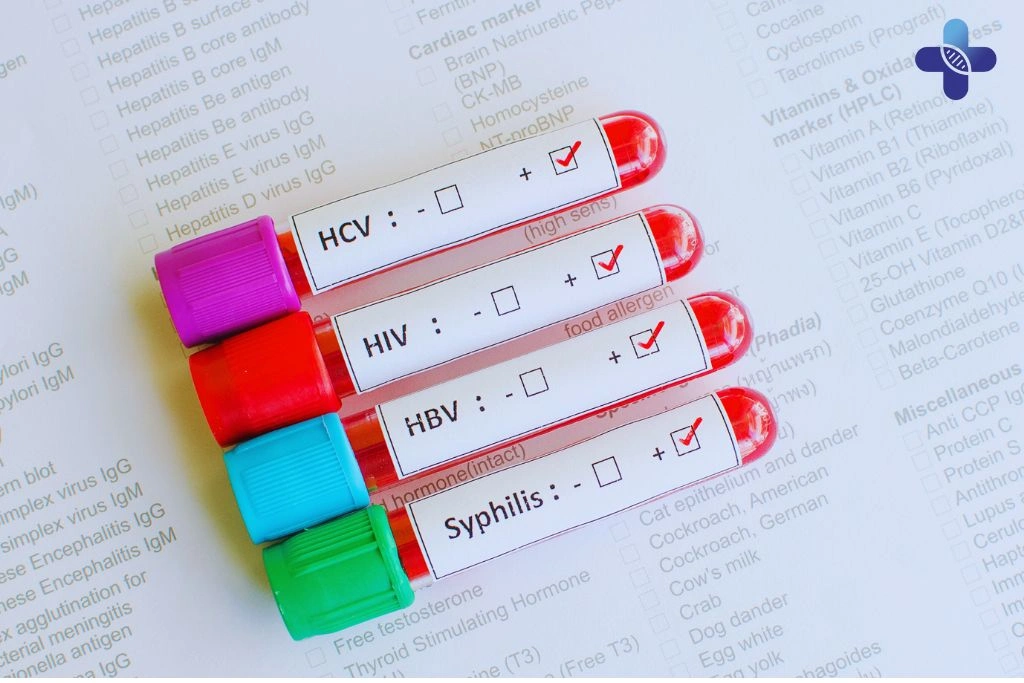
Protecting Yourself from STDs in Bali
Preventive strategies significantly reduce risk:
- Use condoms consistently and correctly
- Limit the number of sexual partners
- Communicate openly about sexual health history
- Get vaccinated for Hepatitis B (and HPV where appropriate)
- Seek early testing rather than waiting for symptoms
Prevention is not about restriction—it is about informed decisions and responsible care.If you have had recent risk exposure or simply want reassurance, scheduling STD testing in Bali allows early detection and timely treatment before complications develop. Confidential screening services are available for residents in Sanur, families in Jimbaran, and visitors who want clear, reliable results.

Conclusion of STDs in Bali: What You Need to Know
STD in Bali can be effectively managed through awareness, routine screening, and timely treatment. Many infections are curable when detected early, while others can be well-controlled with appropriate medical care. The most important steps remain prevention, responsible behavior, and early evaluation after potential exposure.
Whether you are living in Sanur, staying with family in Jimbaran, or visiting Bali short-term, prioritizing sexual health protects both your personal well-being and the wider community. If you are considering STD testing in Bali, a confidential consultation can help determine the most appropriate screening approach based on your individual risk and health history
Frequently Asked Questions (FAQs) of STDs in Bali: What You Need to Know
Where can I get tested for STD in Bali?
Life Everyouth Bali offers private and professional STD testing in bali with rapid and accurate STD testing is available at licensed medical clinics across Bali, including Sanur and Jimbaran. Confidential laboratory-based testing ensures accurate diagnosis and appropriate treatment planning.
How often should I get tested?
At least once a year if sexually active. Individuals with multiple partners or recent unprotected exposure should test every 3–6 months.
Can STDs be cured?
Many bacterial STDs such as chlamydia, gonorrhoea, and syphilis are curable with antibiotics. Viral infections such as HIV and herpes cannot be cured but can be effectively managed.
What are the common symptoms of STD in Bali?
Symptoms may include unusual discharge, genital sores, pain during urination, itching, or flu-like symptoms. However, many infections remain asymptomatic.
Is STD testing confidential in Bali?
Yes. Confidentiality is a standard part of medical ethics and healthcare practice.
Can oral sex transmit STDs?
Yes. Infections such as herpes, gonorrhoea, and syphilis can spread through oral contact.
Are vaccines available for STD prevention?
Yes. Vaccines are available for Hepatitis B and HPV, which help prevent certain infections and related complications.
What happens if I test positive?
Treatment depends on the infection type. Early treatment improves outcomes and reduces transmission risk. Partner notification may also be recommended.
Can tourists access STD treatment in Bali?
Yes. Both short-term visitors and long-term residents can access testing and treatment services.
How long do results take?
Yes, Life Everyouth Bali provides STD testing and treatment for both locals and tourists. Whether Rapid tests may provide results within 20–30 minutes, while comprehensive panels typically require 1–3 working days.
